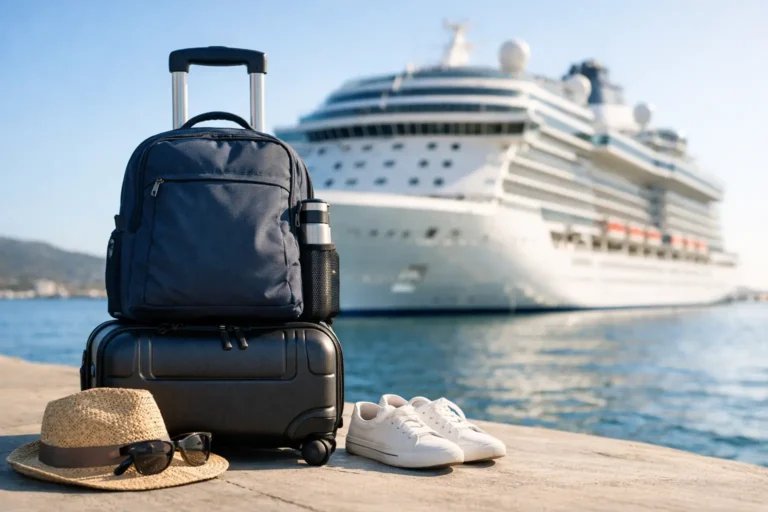
7 Best Cruise Garment Bags for Smart Packing
Introduction
A crushed dinner jacket or creased evening dress can take the shine off formal night before you have even reached the ship. The best cruise garment bags protect the clothes that matter most while fitting sensibly into the realities of a cruise holiday: luggage limits, flights, transfers, compact cabins and, often, more than one dress-code occasion.
For most UK cruisers, the right choice is not the largest garment bag available. It is the one that carries your smarter outfits securely, is manageable from home to port, and does not become an awkward extra item once you are onboard. Here is how to choose well.
What makes a garment bag suitable for a cruise?
A cruise garment bag needs to do two jobs. First, it should minimise creases in items that are difficult to press, such as suits, tuxedos, silk dresses, linen jackets and embellished outfits. Second, it must travel well alongside your main suitcase.
That balance matters particularly on fly-cruise holidays. A long, rigid bag may keep a gown beautifully flat, but it can be inconvenient through an airport, unsuitable for overhead storage and harder to check in. A compact folding design is usually more practical, provided it does not create sharp folds across delicate fabric.
Look closely at the folded dimensions, not just the bag’s full length when open. Also consider its empty weight. Cruise luggage allowances may be generous when you drive to Southampton, but airline limits can make a heavy garment carrier an unnecessary burden.
The 7 best cruise garment bags by travel style
There is no single best option for every sailing. The best style depends on how formal your cruise will be, whether you are flying, and how much you want to carry separately.
1. The lightweight folding garment bag
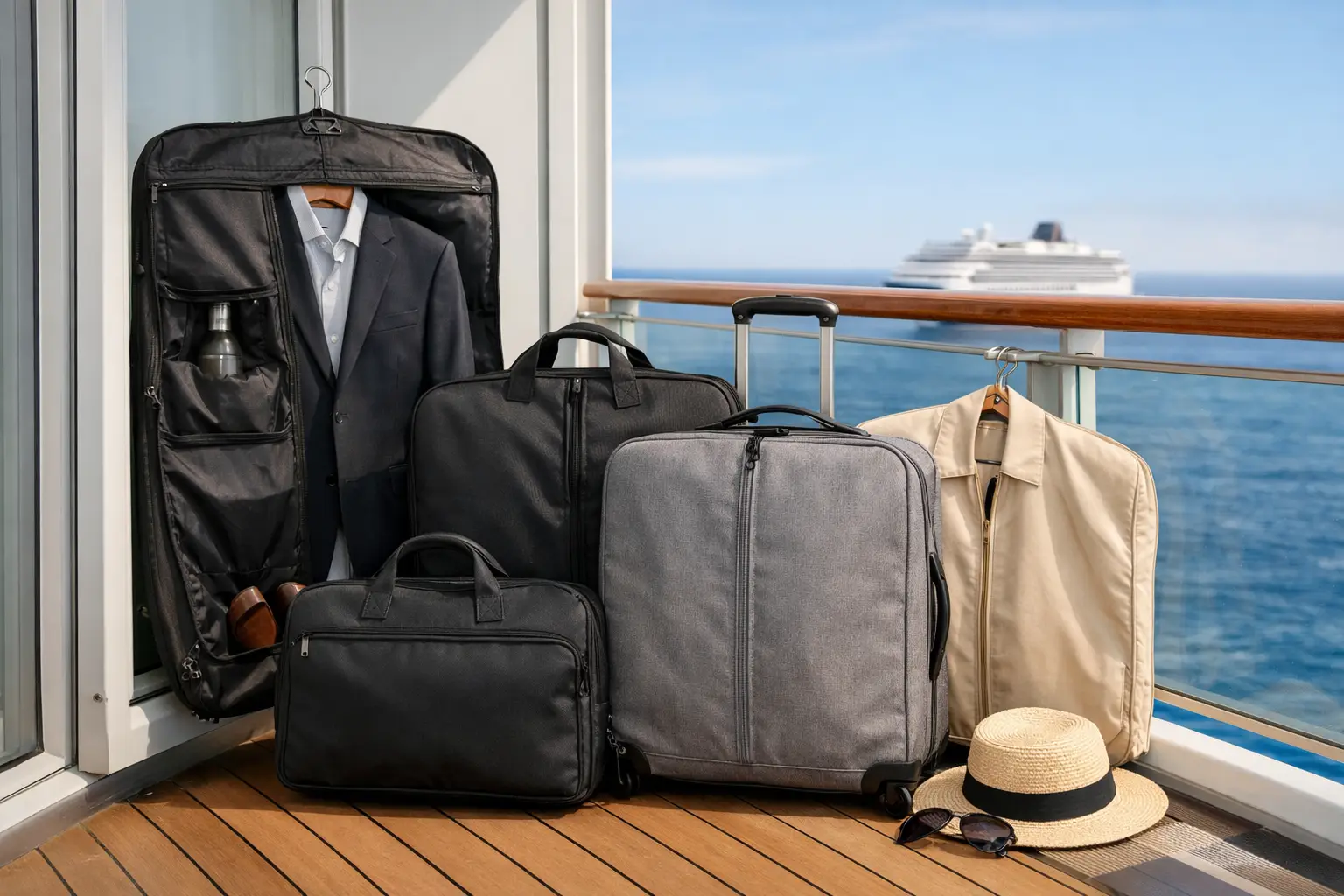
This is the best all-round choice for most cruisers. It folds in half or thirds, has a central hanger hook and usually includes pockets for shoes, ties or jewellery. It is well suited to one suit or dinner jacket plus a dress, especially for cruises with a small number of formal or elegant evenings.
Choose a model with a wide fold rather than a very narrow tri-fold, as fewer, gentler folds are kinder to tailored clothing. A full-length zip and strong carry handles are more useful than an elaborate collection of small compartments.
2. The wheeled garment bag
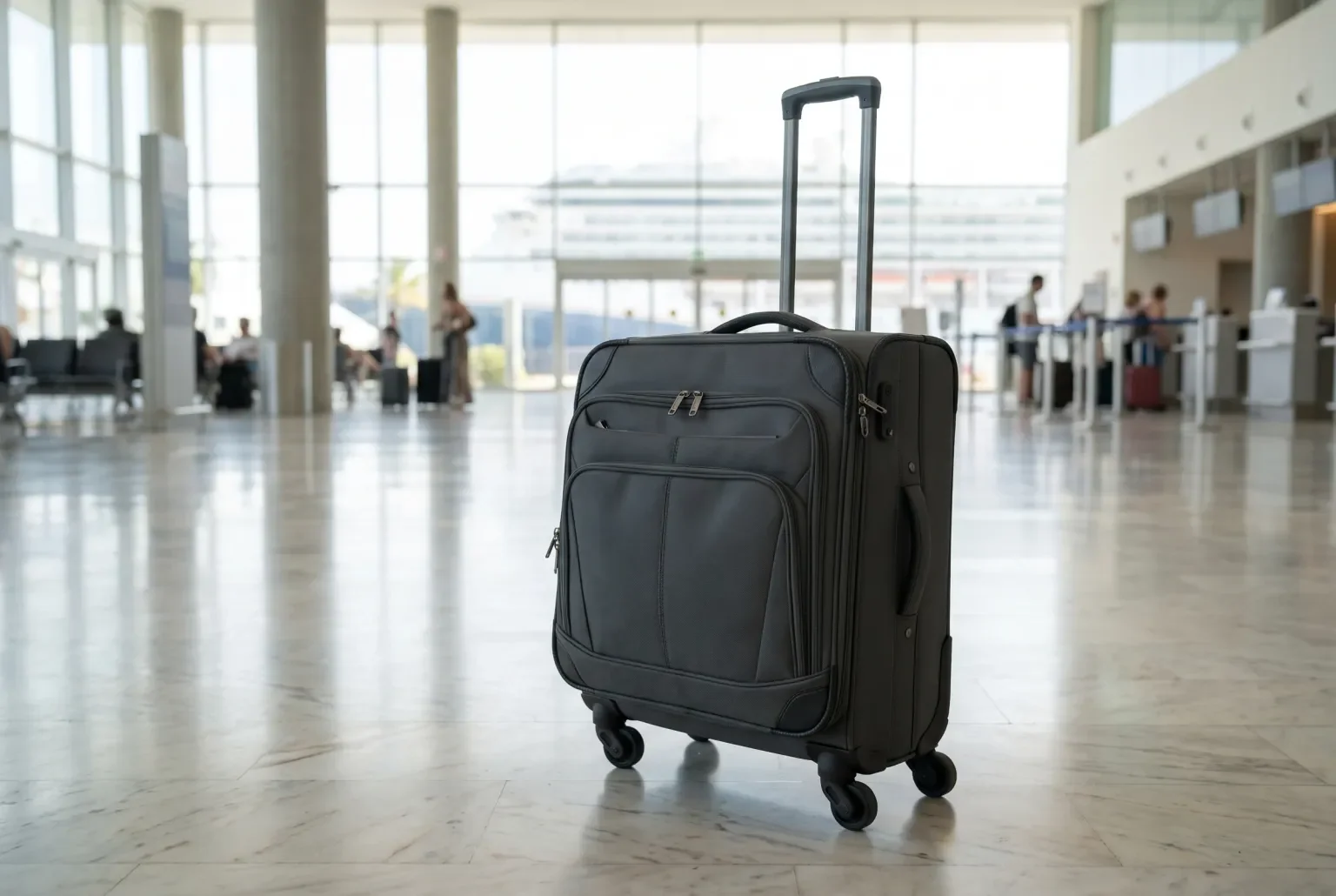
A wheeled version is a sensible choice for guests taking several evening outfits, perhaps for a longer Cunard-style voyage, a special celebration or a cruise with formal nights. It reduces the strain of moving heavier garments through terminals and hotel lobbies.
The trade-off is bulk. These bags can be heavier than a standard suitcase and are less convenient in a compact cabin. They work best when the garment bag replaces, rather than supplements, another piece of luggage. Check that it meets your airline’s checked-baggage dimensions before booking a fly-cruise.
3. The carry-on garment bag
For a short cruise or a carefully planned fly-cruise, a cabin-size garment bag can be very useful. It keeps your most valuable clothes with you and may hold a change of outfit, toiletries and essentials for the first evening.
Do not assume every bag advertised as carry-on compliant will suit every airline. Allowances vary, particularly on the flights used for cruise packages. Measure the bag when packed, including any bulging outer pockets, and remember that a garment bag still needs to fit the relevant airline rules.
4. The suit carrier
If your main concern is one suit, dinner jacket or blazer, a slim suit carrier is often all you need. It is lighter and easier to store than a larger garment bag, and it avoids overpacking simply because there is extra space available.
This is an excellent option for men travelling with a smart jacket for a few evenings, or for anyone wearing their formal outfit during the journey. It will not accommodate shoes and multiple dresses comfortably, so pair it with a well-organised suitcase rather than expecting it to do everything.
5. The long dress garment bag
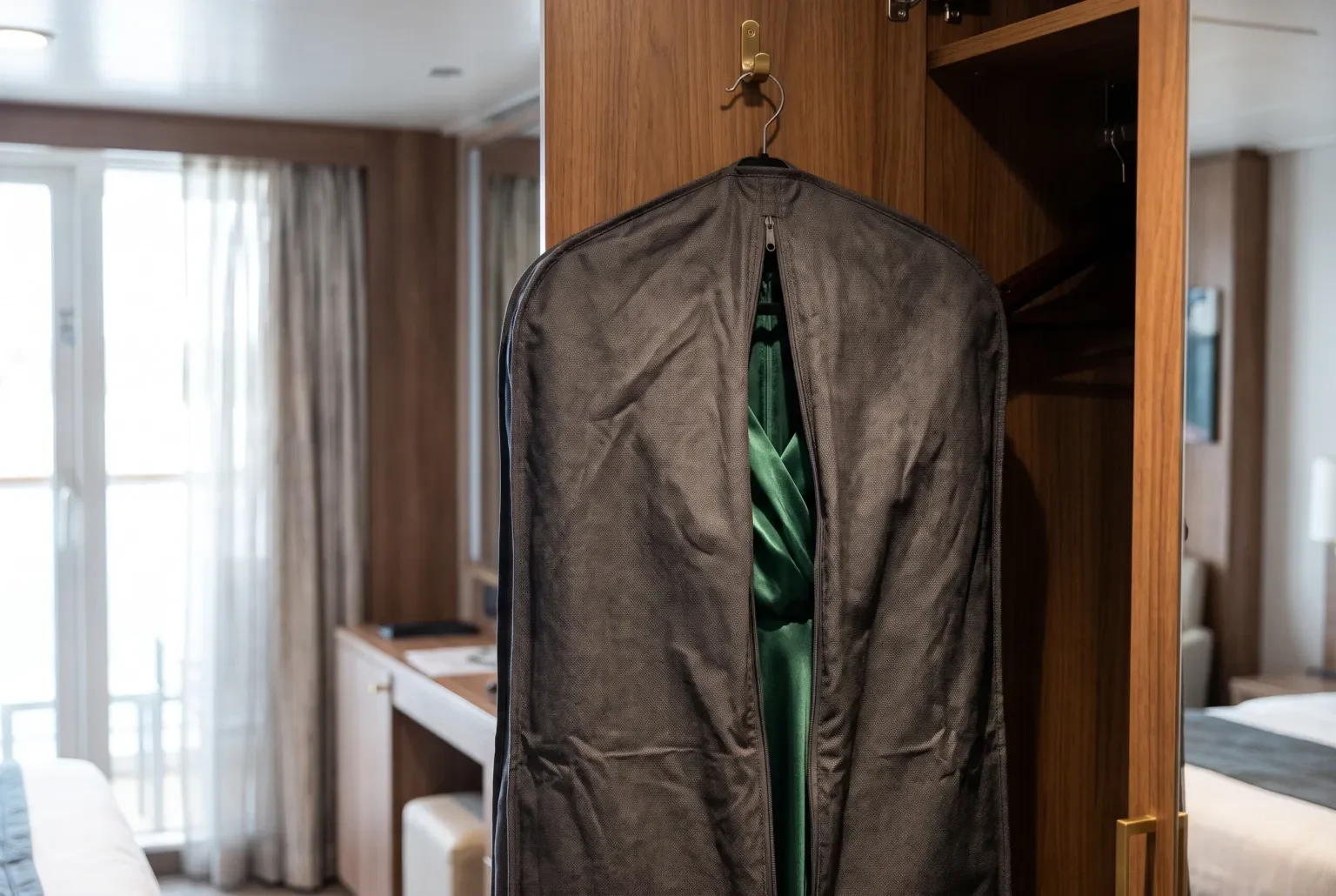
A full-length bag is the better option for floor-length gowns, formal skirts and delicate occasionwear. It prevents the hem from being sharply folded and gives embellished fabrics more protection from rubbing against shoes or accessories.
It is most practical for no-fly cruises or when travelling by private transfer. If you need to fly, you may have to fold it carefully into checked luggage or choose a bag designed to fold at the waist. Place soft layers of tissue paper between folds to reduce hard creasing and fabric friction.
6. The water-resistant outer-shell bag
Cruise travel involves several handovers: taxi to terminal, terminal to ship, ship to coach or hotel. A water-resistant garment bag adds welcome protection if luggage is left briefly on a damp pavement or moved in rainy weather.
Water-resistant does not mean waterproof, and it should not be treated as a substitute for a proper luggage cover in prolonged wet conditions. Still, a durable outer fabric and covered zip can be worthwhile for British departure days when the weather is less predictable.
7. The convertible garment duffel
A convertible design opens flat as a garment bag, then zips into a holdall shape with room for shoes and folded clothing. It is a clever choice for a two- to five-night sailing, a pre-cruise city break or guests who prefer travelling with one flexible bag.
The compromise is that it can become heavy quickly. Once filled with shoes, toiletries and formalwear, it may be uncomfortable to carry and awkward to fit in an aircraft locker. Use it for lighter packing, not as an invitation to take half your wardrobe.
Features worth paying for
A good hanger system is the first priority. The hook should be sturdy enough to hang the bag temporarily, while internal straps should stop garments sliding to the bottom during transport. Ideally, the bag should accept your own shaped or wooden hanger for a jacket, although these are best removed before checking luggage.
Look for breathable fabric lining rather than relying on a fully plastic cover. Plastic can trap moisture, particularly if you pack clothing straight from dry cleaning or move between cool air-conditioned spaces and warm, humid ports. A small mesh section can help, but your garments should be completely dry before packing.
Shoe pockets are useful only if they are separated from clothing. Dirty soles can mark pale fabrics, and a pair of shoes pressed against a jacket creates creases. For the same reason, avoid loading jewellery cases, belts or chargers into pockets that sit directly on top of a dress or suit.
Strong zips, reinforced handles and a luggage sleeve are practical details that earn their keep. A sleeve lets you secure the garment bag over the handle of a rolling suitcase, making airport and terminal transfers far easier. If you are choosing between extra pockets and a luggage sleeve, choose the sleeve.
How to pack a garment bag for a cruise
Pack formalwear last, after deciding exactly which evenings call for it. Cruise lines vary widely: some have gala or formal nights, others favour smart-casual dining throughout, and themed evenings may be optional. Check your itinerary and line-specific dress guidance before allocating space to outfits you may not wear.
Fasten jacket buttons loosely and place the garment on a suitable hanger. For dresses, use the hanging loops where provided rather than thin shoulder straps. Cover very delicate pieces with a soft garment cover or clean tissue paper, then secure the internal straps without pulling them tight.
Keep shoes, belts and heavier accessories in your suitcase where possible. If they must travel in the garment bag, use separate enclosed compartments. Once packed, lay the bag flat on top of your main suitcase contents if it is going into checked luggage. Do not bend it around hard corners or put it beneath heavy footwear.
For embarkation day, carry the bag yourself if it contains an outfit you need that evening. Checked cruise luggage can take time to arrive at your cabin, and a garment bag is easier to keep clean and crease-free when it is not handled unnecessarily.
Using a garment bag once onboard
Cabin wardrobe space varies, but most ships provide enough hanging room for a small number of smarter garments. Remove clothes from the bag soon after your cases arrive and hang them in the wardrobe, allowing any travel creases to relax. A lightly steamed bathroom can help: hang the garment away from direct splashes while you take a warm shower, then leave it to air fully.
Do not store the empty bag spread across the cabin. Fold it and place it inside your largest suitcase, then slide the suitcase under the bed if space permits. This keeps the cabin clearer and makes packing for disembarkation much less stressful.
A garment bag is not essential for every cruise, particularly if you are packing mainly casual resort wear. But for a sailing with formal evenings, a wedding, a milestone celebration or a prized suit, it is one of the simplest ways to arrive looking as prepared as you feel. Choose a size that matches your actual plans, pack it with care, and let your smartest clothes make the journey in better shape.
Short of cabin space? See magnetic hooks, hanging organisers and other cabin accessories at The Essential Cruise Shop.
Frequently Asked Questions
Additional Resources

The Essential Cruise & Travel Shop

Disclaimer
The Essential Cruise Shop Blog provides this guide for informational purposes only and does not act as a travel agency, luggage retailer, or travel adviser. The information contained in this guide is provided for general guidance only. While every effort is made to ensure information is accurate and up to date, we make no representations or warranties of any kind regarding its completeness or accuracy. Airline luggage allowances, carry-on size limits, baggage restrictions, and cruise line dress codes are subject to change without notice. We strongly recommend that you verify all product dimensions, weight restrictions, and luggage rules directly with your airline, cruise line, or luggage manufacturer before making any purchases, travel bookings, decisions, or financial commitments. We cannot be held liable for any financial loss or expense resulting from a failure to follow this advice.
Affiliate Disclosure
Many of the links are affiliate links, The Essential Cruise Shop Blog may receive a commission from qualifying clicks, orders or bookings. This income helps support our efforts to provide and improve our site and turn it into a one stop resource for travellers with a bias towards cruising.