Cherbourg Cruise Port Guide: What to See On Shore
Introduction
Stepping off your ship into a new destination can feel overwhelming, especially when balancing historical sightseeing with tight schedules back to the pier. Using a detailed Cherbourg Cruise Port Guide helps you navigate the quay, plan seamless day trips, and explore Normandy with confidence.
Positioned on the northern edge of the Cotentin Peninsula, this location offers an ideal mix of maritime heritage right at the pier and famous regional sights just a short drive away. Whether you prefer a relaxing stroll through old town alleys or an organised tour into the surrounding countryside, understanding the local layout ensures an unhurried day ashore.
Quick Overview for Cruise Passengers
Ports of Normandy sits at a key maritime junction connecting transatlantic ocean crossings, Baltic and Mediterranean repositioning routes, and the UK cruise market. The harbour welcomes more than 60 cruise vessels per year and continues to experience steady growth, offering safe and comfortable berth access for even the largest passenger cruise vessels in the world.
The surrounding waters feature the largest artificial harbour in Europe alongside a 1,600-berth marina protected from swell. Shorelines in this region are exposed to ocean winds, making layers and weather-appropriate clothing advisable when stepping outside.
Cruisers stepping ashore enter a venue steeped in liner history. Disembarking passengers pass through the historic Baggage Hall at La Cité de la Mer, echoing the atmosphere of 1920s transatlantic ocean voyages. During ship stopovers, the Emigration area inside the Baggage Hall remains closed to the public, though the dedicated Titanic exhibition remains open to explore room reconstructions and interactive displays. Multi-lingual staff at the venue assist international visitors in French, English, Dutch, German, Spanish, and Italian.
Docking Location and Terminal Facilities
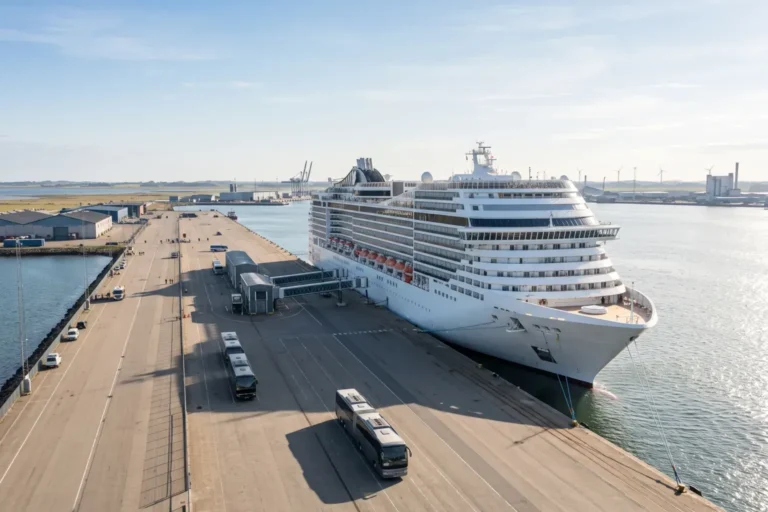
Cruise ship infrastructure across Normandy ports is thoughtfully situated close to town centres. Ships tie up directly along a 600-metre berth featuring a 13-metre depth, with passengers accessing the quay via covered electric gangways.
The terminal building itself is housed inside the historic Art Deco former Transatlantic Maritime Station. Inside this impressive facility, passengers will find a hospitality desk to handle enquiries, along with customs and police desks, cruise company desks, luggage screening facilities, and short and long-stay parking options.
General passenger amenities include clean toilet facilities, food outlets, an official gift shop, free Wi-Fi access, and ATMs for local currency. The town centre is located just half a mile away, with the old town sitting immediately west of the quayside featuring a charm of pedestrian alleys.
Transport Options from the Terminal
Getting from the quay to local attractions or regional transport networks is straightforward. Journey times across the area depend on traffic, weather, and seasonal conditions, so building in a sensible buffer before your scheduled return is always recommended.
A dedicated shuttle bus service operates directly from the terminal to the Tourist Office in the town centre and to the local shopping mall.
For independent travel across the region, public bus transport includes line 301 of the Nomad Car network alongside local Cap Cotentin buses. The port connects directly to major road and rail networks, as well as the VéloMaritime cycling route that spans between Roscoff and Dunkirk. Under the Normandy Low Carbon Rate scheme, visitors arriving by train, coach, or bicycle can receive reduced admission fares at participating sights.
Top Attractions Within Walking Distance
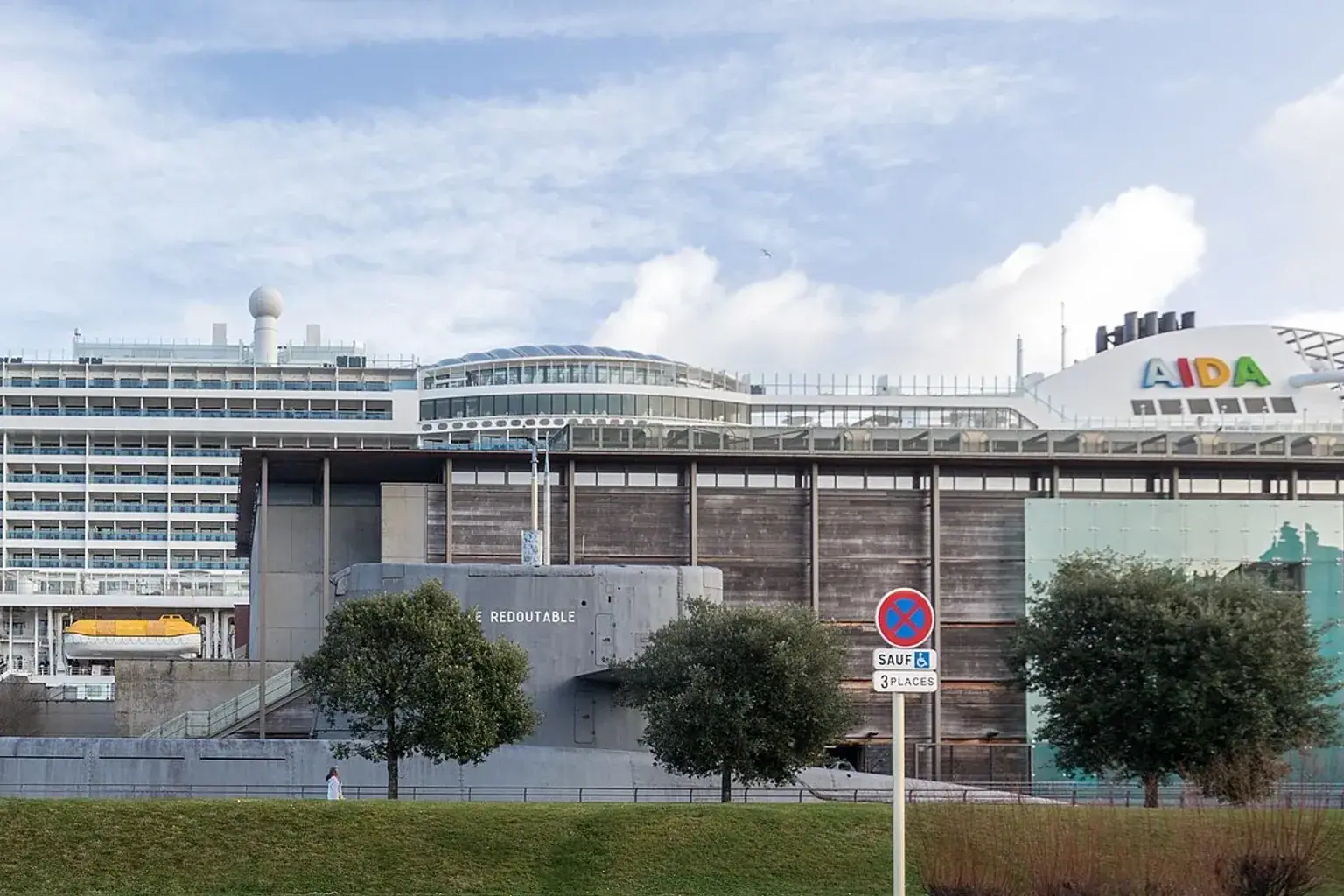
Directly inside the terminal facility sits La Cité de la Mer, a major museum dedicated to human adventure in ocean depths. The complex features the Ocean of the Future exhibit with three floors of multimedia displays and 17 vibrant aquariums. Visitors can view maritime films including ‘WHEN THE SEA TELLS ABOUT NORMANDY’, which traces local seafaring history from Viking times to today, and use the digital companion ‘Poisson pilote’ to navigate the venue.
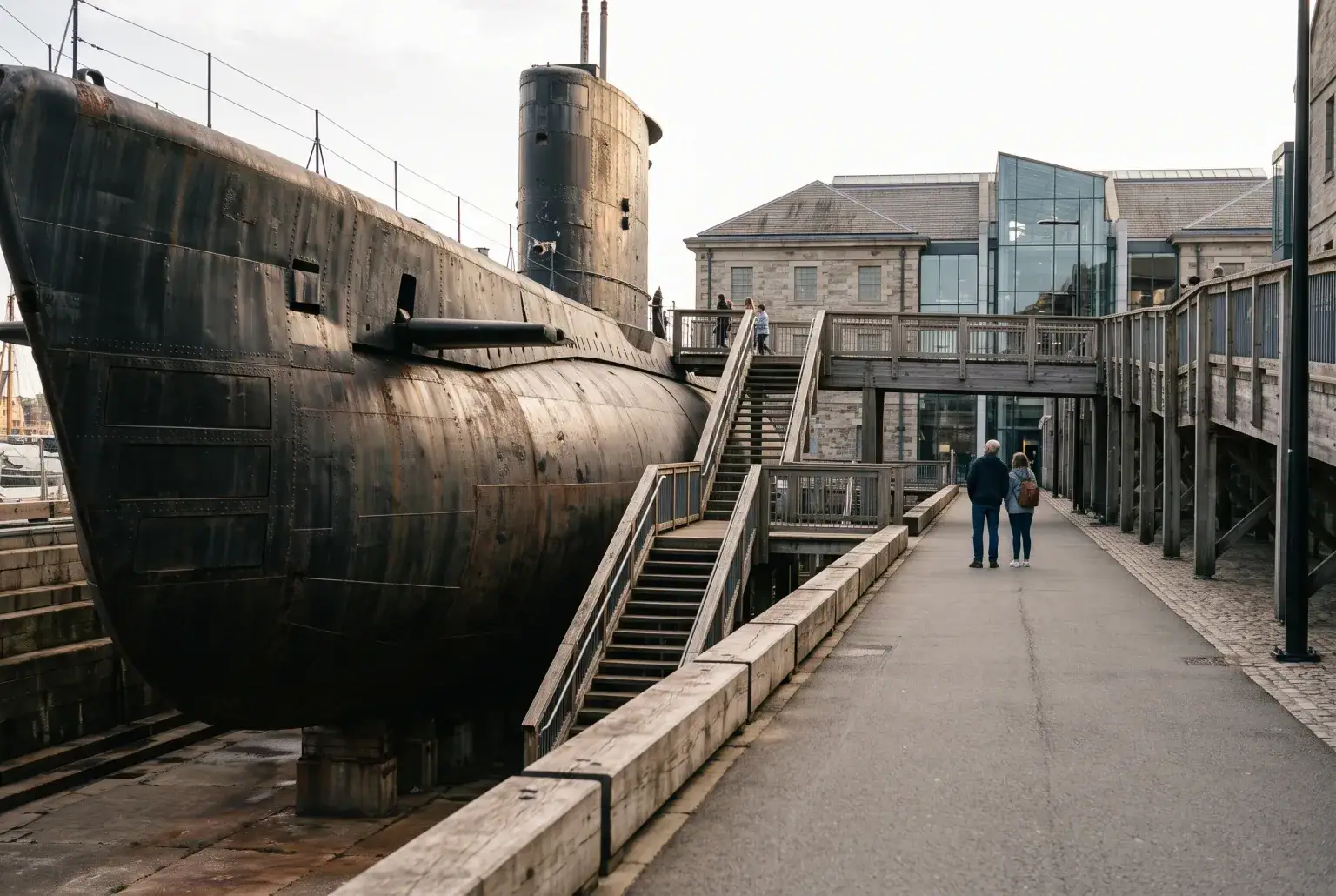
A major highlight inside the museum complex is Le Redoutable, a decommissioned submarine that holds the title of the largest submarine in the world open to the public. Guided by audio tours featuring special options for children, visitors can explore the engine room, control centre, cabins, and torpedo room before meeting a former submariner. Note that children under five years old are not permitted inside the submarine for safety reasons.
Second World War history is presented on site through the documentary film ’20 DAYS FOR CHERBOURG’ and the exhibition ‘Cherbourg 1944… and freedom came from the sea’. Further military history can be explored at the Musée de la Libération at Fort du Roule, which details the harbour’s critical role during the Normandy Liberation from summer 1944 to winter 1945.
Walking short distances beyond the pier leads to cultural and natural attractions. The Musée Thomas Henry houses over 300 artworks ranging from Fra Angelico to Camille Claudel. Nearby green spaces include the lush Emmanuel Liais exotic plant garden, Parc du Roule, and the 17 hectares of remarkable gardens surrounding the 16th-century Château des Ravalet. Walking north from the centre brings you to the Basilique de la Trinité and the Plage Verte, a former town beach transformed into a waterfront park.
Best Shore Excursion Ideas Further Afield
For passengers wishing to travel beyond the local quayside, Normandy offers world-renowned cultural and historical day trips. Local port operations follow a single-ship-per-day policy to maintain manageable crowds and ensure smooth excursion arrangements.
A primary destination for day trips is Mont Saint-Michel, a UNESCO World Heritage site known as ‘The wonder of the West’, featuring a medieval monastery built atop a rocky tidal island. Historic Second World War locations are also easily reached, including the Airborne Museum and Sainte-Mère-Église, where a model parachute remains permanently attached to the church roof commemorating American paratrooper John Steele.
Excursions frequently cover the D-Day landing sectors: Sword, Juno, and Gold beaches where British and Commonwealth forces landed, alongside Omaha and Utah beaches where American forces arrived. Key stops include Pointe du Hoc on Omaha Beach, where dramatic cliff heights remain deeply pitted with German bunkers and shell holes, and Arromanches, located 10 km northeast of Bayeux, where remnants of the Mulberry Harbour remain visible in the sea.
Art and medieval history tours travel to Bayeux, the first French city liberated in 1944 on the day following D-Day. Visitors can view the famous Bayeux Tapestry housed inside the Centre Guillaume le Conquérant, a remodelled 18th-century seminary. Additional coastal scenic drives follow the Saire Valley road past Barfleur and Saint-Vaast-la-Hougue—a UNESCO World Heritage destination—overlooking Tatihou island and its historic Vauban towers.
Other picturesque towns on the Cotentin Peninsula include Valognes, nicknamed the ‘Versailles of Normandy’, the historical settlement of Bricquebec-en-Cotentin, and Pirou with its medieval heritage. Nature lovers can visit Cap de La Hague with its staggering coastal cliffs and heathlands, the dramatic coastal rocks of Urville-Nacqueville, or Anse de Sciotot in Les Pieux, which features a fine sand beach bordered by Cap de Flamanville and Cap du Rozel.
Local Food and Drink Highlights
Normandy culinary traditions lean heavily on local agricultural riches, with classic dishes prepared using rich butter, fresh cream, and local apples. As a major fishing hub, the local fish market auctions over 5,000 tonnes of seafood annually, providing fresh catches of scallops, squid, sole, and shellfish to nearby dining rooms.
A notable local speciality is open-sea farmed salmon, raised directly inside the roadstead and smoked locally. Passengers taking time to dine ashore can enjoy a sitting at the restaurant and bar located at La Cité de la Mer or sample dishes at eateries participating in the local Cruise Friendly network, which guarantees welcoming service for transit passengers.
To sample regional beverages, visitors can tour the Cidrerie Théo Capelle to learn about traditional cider production methods. Standard French lunch hours usually run during the middle of the day, so planning dining breaks around your walking schedule is recommended.
Shopping and Souvenirs
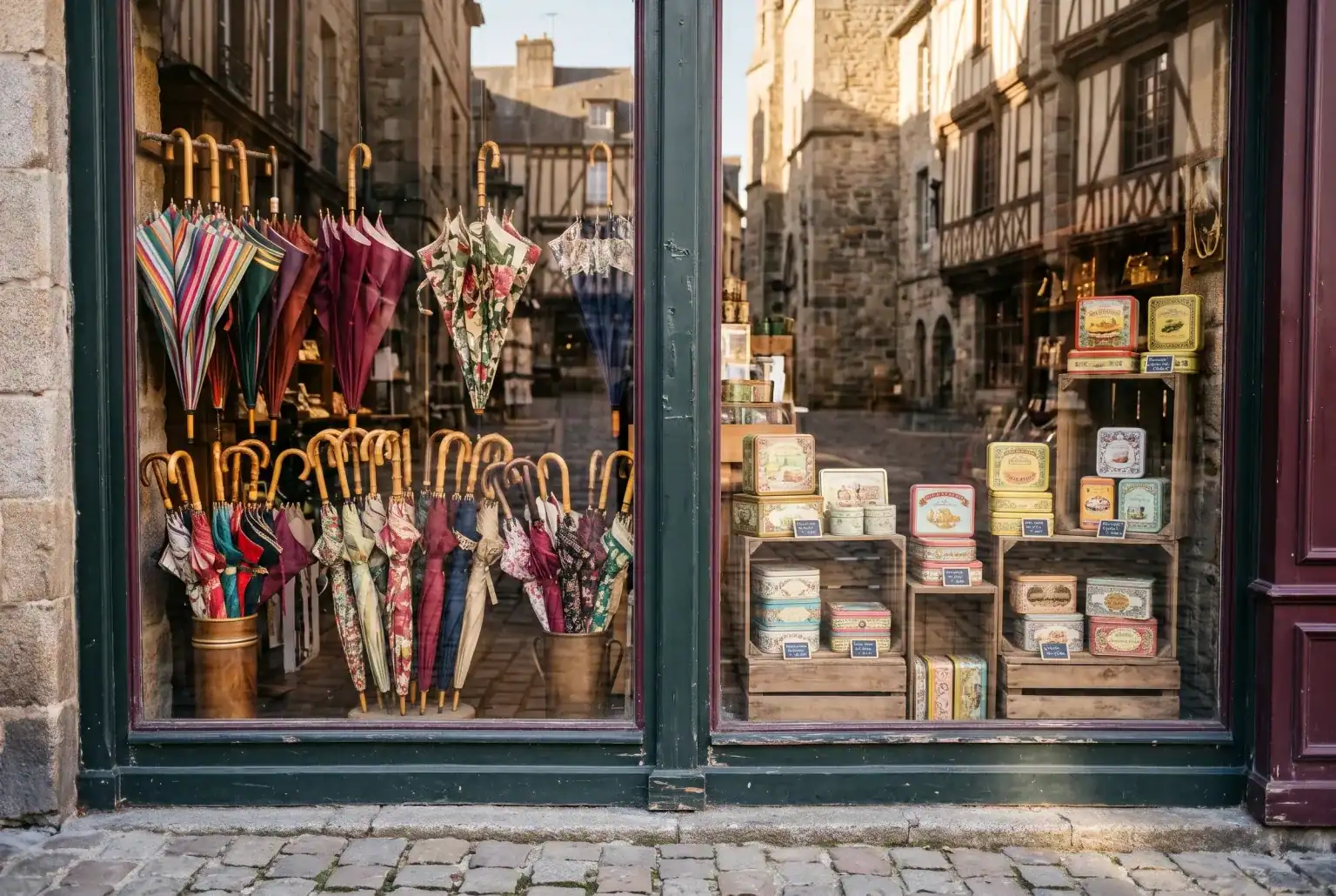
Shopping in the city centre centres around pedestrian streets filled with independent boutiques and specialised stores. Main morning markets run on Thursday and Saturday at Place de Gaulle, with an additional Sunday morning market taking place along Avenue de Normandie.
The city’s most famous product is the genuine local umbrella. Visitors can tour the workshop and museum at Manufacture de Parapluies de Cherbourg, made famous by Jacques Demy’s classic film, or purchase one directly at 30 rue des Portes near Place Centrale.
Convenient shopping is also available right at the quay. The shop inside La Cité de la Mer is open to everyone without requiring a museum ticket, operating daily from 11:00 am to 6:30 pm, including Sundays. The store stocks over 2,500 sea-themed items, including regional food delicacies, clothing, decorative pieces, toys, jewellery, 0 € souvenir banknotes, and official medals from La Monnaie de Paris.
Practicalities: Currency, Cards and Opening Hours
The official currency in France is the Euro. Modern payment cards are widely accepted across local stores and restaurants, while cash can be withdrawn from ATMs situated right inside the terminal building.
Store opening hours generally run from morning until early evening, though smaller shops in town may close during the middle of the day for lunch. If you plan to make large purchases, checking transaction fees with your bank ahead of embarkation day ensures smooth spending while ashore.
Accessibility and Mobility Tips
The flat marine terminal and modern gangway systems provide straightforward access for passengers with reduced mobility. La Cité de la Mer offers comprehensive accessibility facilities catering to motor, hearing, mental, and visual disabilities, including aquarium tours conducted in French Sign Language (Langue des Signes Française).
While the waterfront and main avenues offer smooth footpaths, portions of the old town feature historic cobblestones and narrower alleys. Passengers utilising mobility devices should allow extra time when navigating older town quarters or boarding local buses.
Final Tips for Your Day Ashore
This destination appeals greatly to military history enthusiasts, maritime buffs, families, and cruisers who appreciate rich French gastronomy. Pack a comfortable pair of walking shoes, a waterproof layer for sea breezes, and your essential hand luggage items including identification documents.
Always keep track of your ship’s designated return time as posted in your onboard daily programme. Returning to the berth with time to spare ensures a relaxed end to your day before settling into the main dining room or a speciality restaurant for the evening.
Frequently Asked Questions
Additional Resources

The Essential Cruise & Travel Shop
Disclaimer
The Essential Cruise Shop Blog provides this Cherbourg cruise port guide for informational purposes only and does not act as a travel agency, tour operator, or transport provider. The information contained in this guide is provided for general guidance only. Whilst every effort is made to keep information accurate and up to date, we make no representations or warranties of any kind regarding its completeness or accuracy. Port all-aboard times, shuttle bus operations, regional transport schedules, attraction opening hours, and excursion availability are subject to change without notice. You must verify all essential details directly with your cruise line, local tourist offices, or official transport and venue operators before making travel decisions, bookings, or financial commitments. We accept no liability for any financial loss resulting from a failure to follow this advice.
Affiliate Disclosure
Many of the links are affiliate links, The Essential Cruise Shop Blog may receive a commission from qualifying clicks, orders or bookings. This income helps support our efforts to provide and improve our site and turn it into a one stop resource for travellers with a bias towards cruising.