Cruise Packing Checklist Example for UK Travellers
Introduction
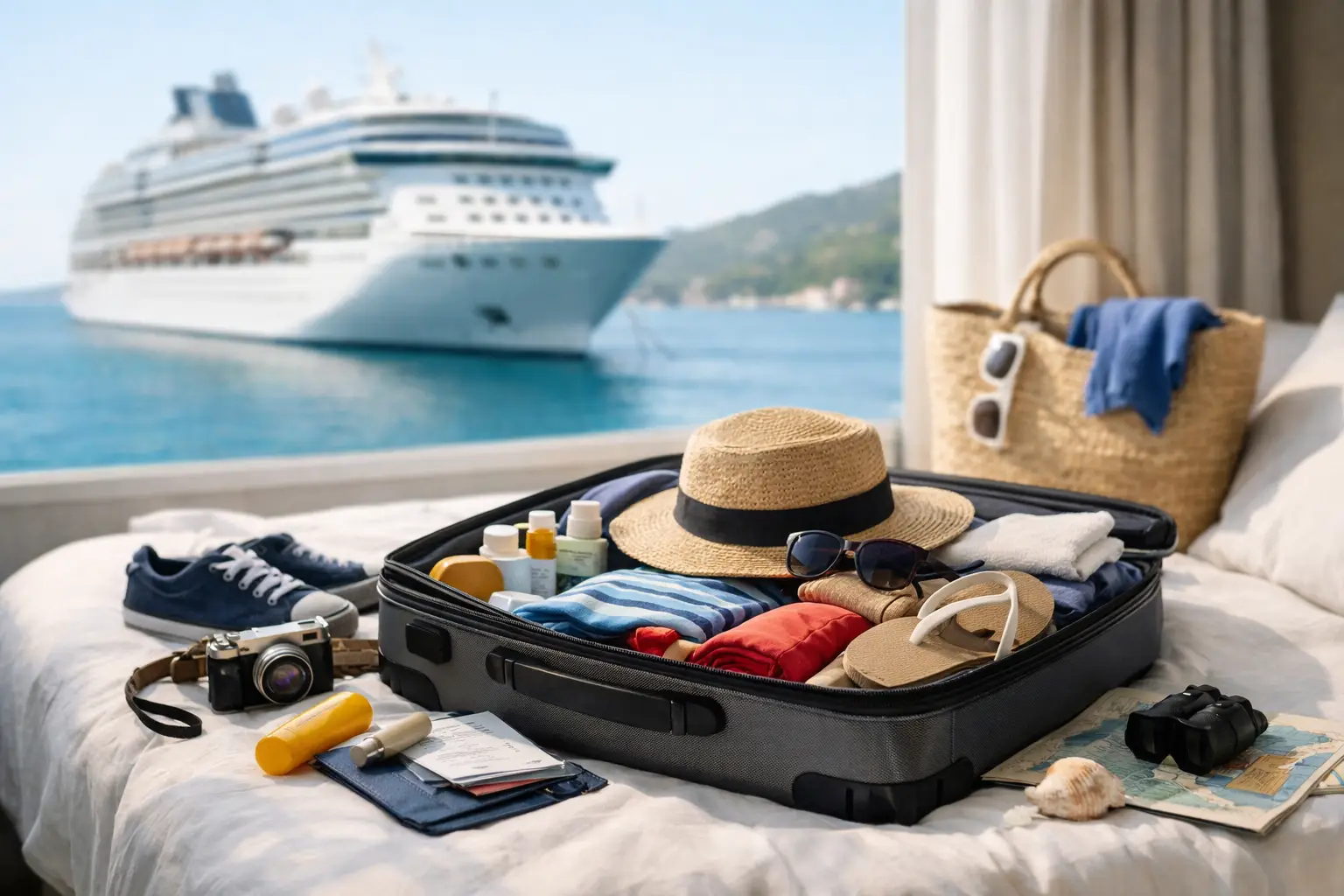
The suitcase usually becomes a problem long before the ship does. A useful cruise packing checklist example prevents the familiar last-minute questions: Do I need a jacket for dinner? Where are the medication and travel documents? Will there be room for everything in the cabin? The answer is not to pack for every possible occasion, but to pack deliberately for your itinerary, cruise line and journey to the port.
A seven-night Mediterranean sailing in July needs a very different wardrobe from a Norwegian fjords cruise in May, or a river cruise with daily sightseeing. Start with the essentials that would be difficult or expensive to replace, then build a small, flexible holiday wardrobe around them.
Cruise packing checklist example: start with the non-negotiables
Keep your most important items in your hand luggage, not in the case handed over at the terminal. Your larger suitcase may arrive at your cabin later in the afternoon, and occasionally it can be delayed. You should be comfortable and able to board without it.
Documents, money and travel details
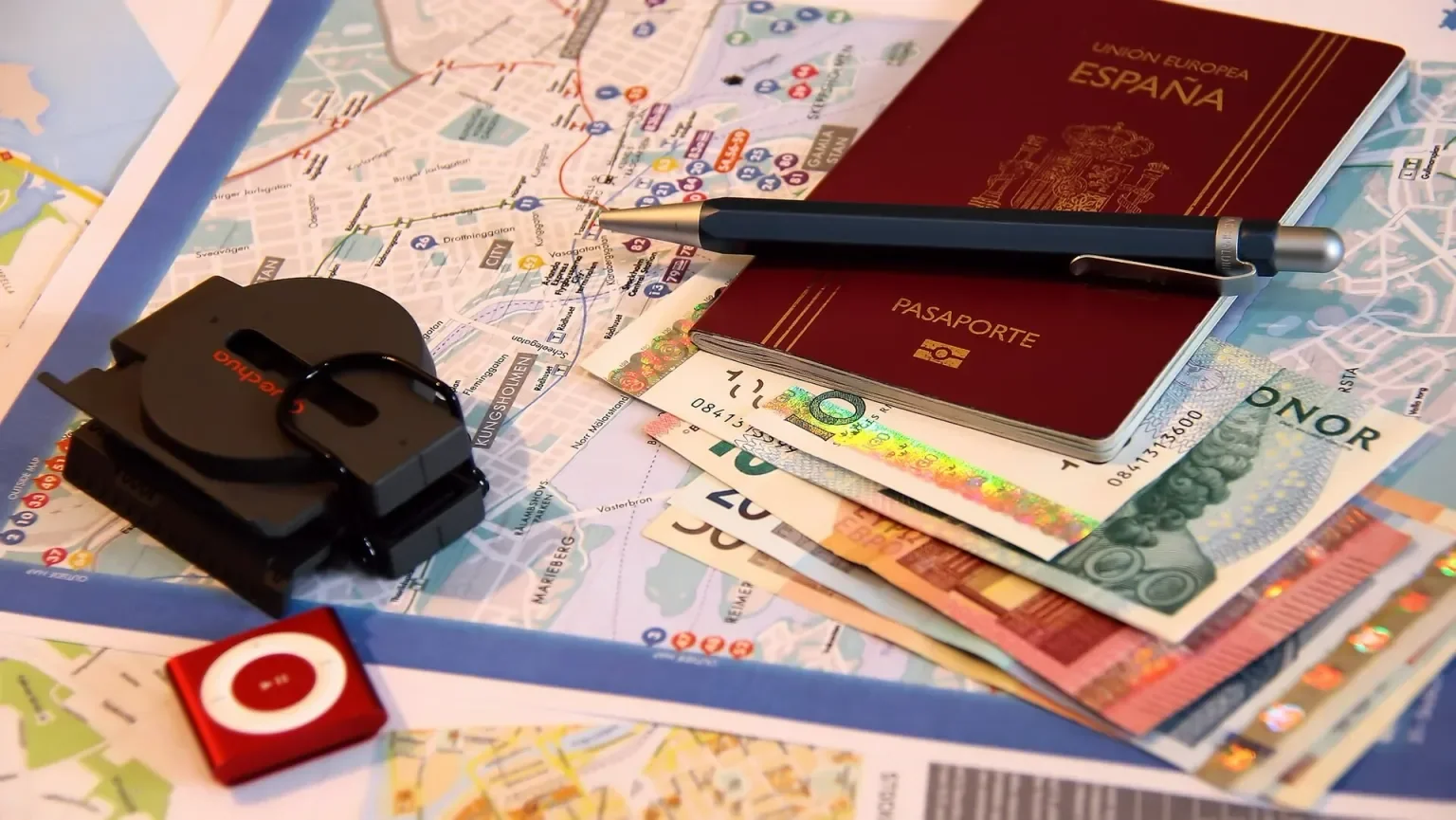
Take your passport, cruise boarding documents, travel insurance details and any required visas or entry paperwork. It is sensible to carry printed copies as well as having them on your phone, particularly when travelling through airports or ports with patchy mobile signal.
For a UK traveller, also consider how you will pay ashore. A credit card with low overseas fees is useful, while a small amount of local currency can help with taxis, small cafés and independent shops. Do not forget prescription details, emergency contact information and confirmation documents for flights, hotels, parking or transfers.
Medication and valuables
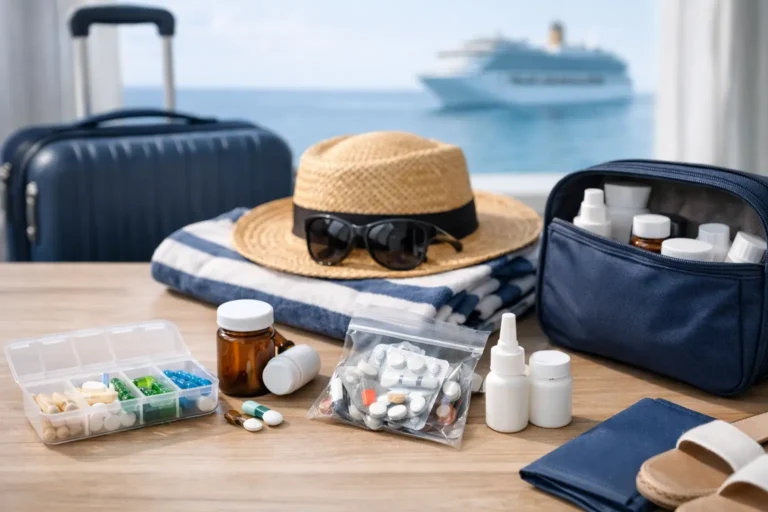
All regular medication should stay with you, ideally in its original labelled packaging. Pack enough for the whole holiday plus several extra days in case your return journey is disrupted. Include a copy of your prescription or a letter from your GP if you travel with controlled medication, injectable medicines or medical equipment.
Your hand luggage is also the right place for glasses, hearing aids, jewellery, cameras, chargers and anything you would not want left unattended in a suitcase. Most ships provide a cabin safe, but it is still wise to travel with only the valuables you genuinely need.
First-day cabin bag
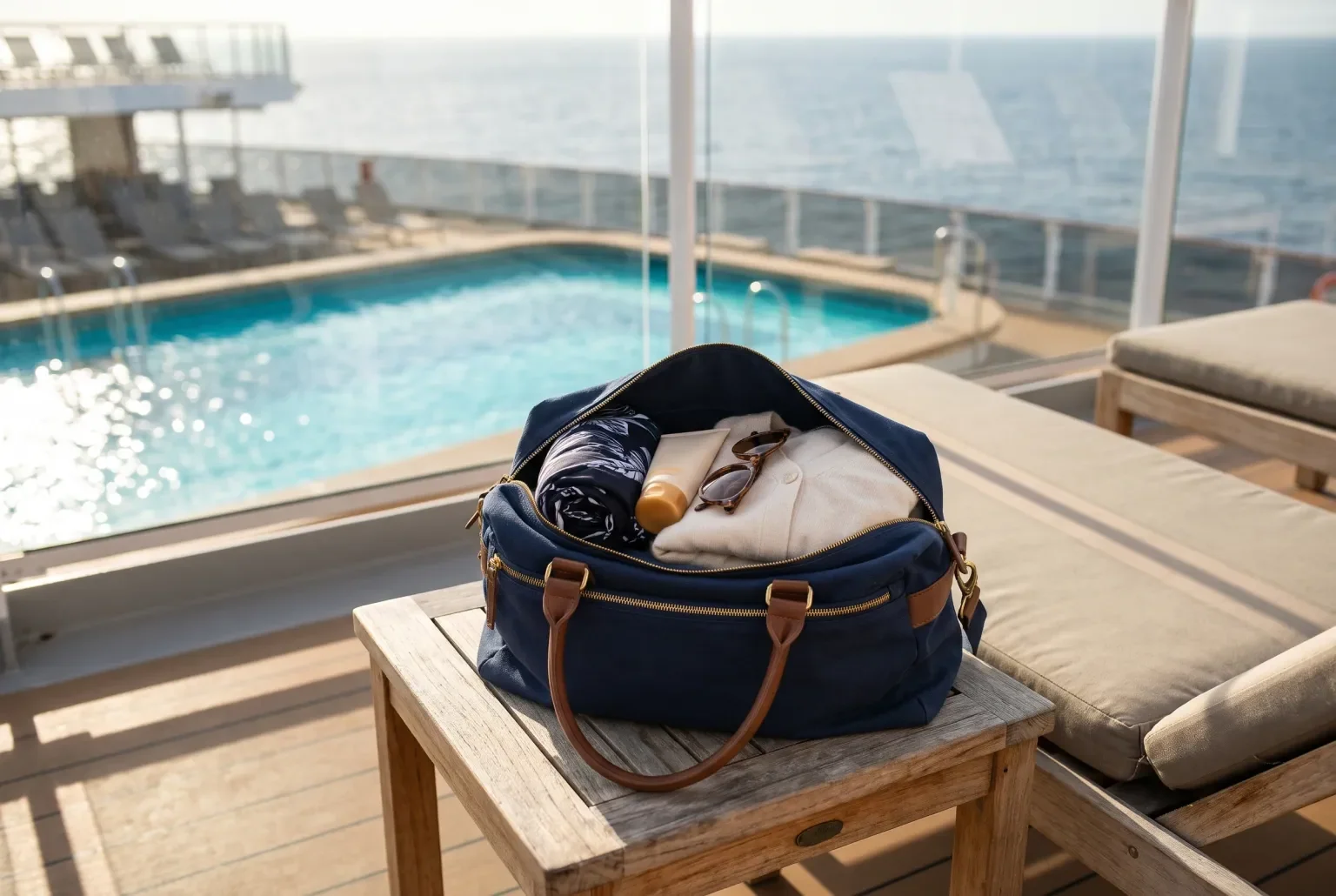
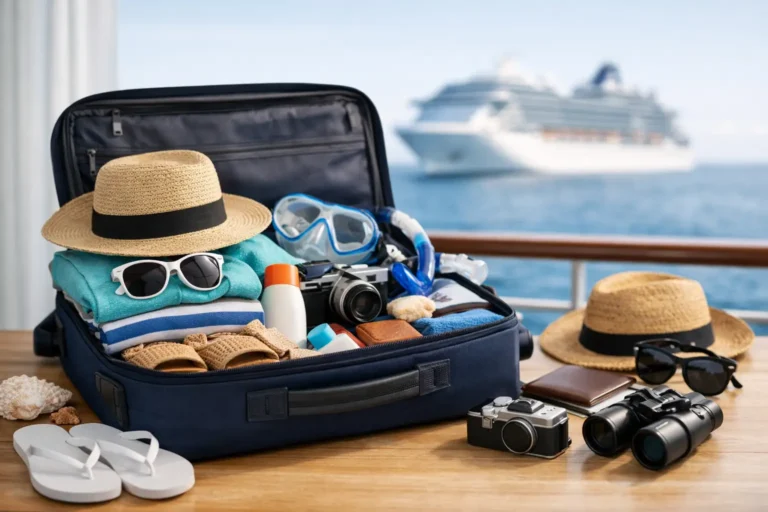
Add a swimsuit, sun cream, sunglasses, a light layer and any toiletries you may want before your suitcase arrives. If you board early, you can enjoy lunch or the pool deck rather than waiting outside your cabin with a change of clothes buried in the hold luggage.
A small foldable bag is particularly useful. It can carry pool items on embarkation day, become a beach bag in port, or hold souvenirs and laundry on the journey home.
Build a wardrobe around your actual cruise
The most efficient cruise wardrobe is coordinated rather than extensive. Choose two or three neutral colours, then add tops, scarves or accessories that work with several outfits. This reduces both overpacking and the chance of bringing pieces that only suit one occasion.
Before choosing anything, check your cruise line’s current dress guidance. Some ships have relaxed resort-style evenings, while others still offer formal, gala or themed nights. River cruises usually lean smart casual, though evenings can feel more polished than daytime excursions. Do not assume that one cruise line’s rules apply to another.
Daywear for sea days and ports
For warm-weather cruises, pack breathable tops, shorts, skirts, lightweight trousers or dresses, swimwear and a cover-up. A hat and sunglasses are practical rather than optional when you will spend time on open decks or walking ashore.
For cooler itineraries, layers matter more than bulk. Think T-shirts or base layers, jumpers or fleeces, comfortable trousers and a waterproof outer layer. Even in a sunny destination, deck areas can be breezy once the ship is sailing, especially in the evening.
Comfortable walking shoes deserve priority. Shore excursions often involve uneven paving, steps, cobbles and more walking than expected. Bring sandals or casual shoes for onboard use, but avoid relying on brand-new footwear for a full day ashore.
Evening clothes without overpacking
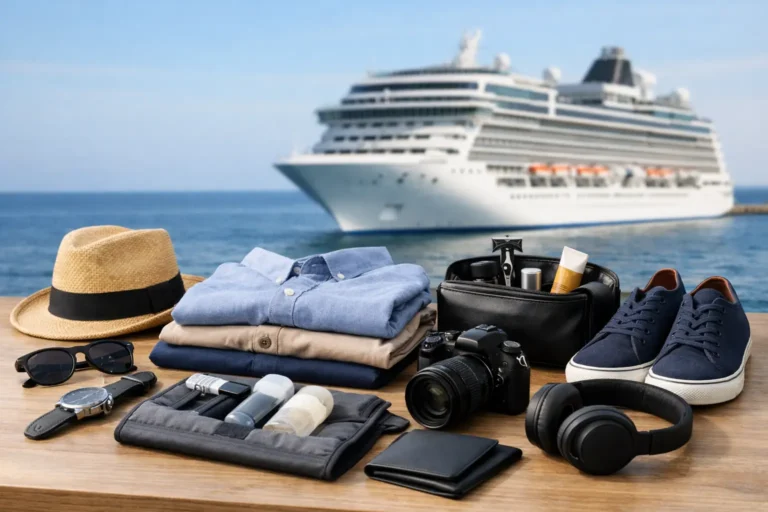
Most guests can manage a week-long cruise with two or three smart evening outfits, provided the pieces mix easily. For many travellers, this might mean smart trousers or a skirt with interchangeable tops, a dress or two, and a light jacket, cardigan or wrap for air-conditioned restaurants.
If your cruise has formal nights and you enjoy dressing up, pack one outfit that makes the occasion feel special. That could be a suit or jacket, a tailored dress, or simply elegant separates. The trade-off is luggage space, so there is no need to take formalwear for every evening unless your itinerary or personal preference calls for it.
A practical footwear plan
Shoes take up more space and weight than almost anything else. Most cruises call for no more than four pairs:
- supportive walking shoes for excursions
- sandals, deck shoes or casual trainers for daytime
- smart shoes for dinner
- flip-flops or pool slides
Add weatherproof boots only for cold-weather, expedition or particularly wet itineraries. If you are flying with a strict baggage allowance, wear your bulkiest pair while travelling.
Cabin essentials that make life easier
Cruise cabins are cleverly designed, but they are still compact. A few small items can make unpacking and everyday routines much simpler.
Packing cubes help separate daytime clothes, evening wear and underwear, and they make it easier to use drawers rather than live from an open suitcase. A lightweight laundry bag keeps worn clothes away from clean items. Magnetic hooks can be useful on many metal cabin walls, but check the cruise line’s guidance and never attach anything that could damage surfaces or obstruct safety equipment.
Bring a European or UK adaptor only after checking the sockets on your particular ship. Many newer cabins have USB or USB-C ports, but this varies. A multi-port USB charger is often more useful than several individual plugs. Avoid extension leads and multi-socket adapters if the cruise line prohibits them, as these may be removed during safety checks.
Other sensible cabin items include a reusable water bottle, a small lanyard or card holder if your ship uses a cruise card, a pen for forms, a compact umbrella and a travel-sized stain remover. A door organiser can be useful for families, but couples in a standard cabin may find it unnecessary clutter.
Toiletries and health items to pack
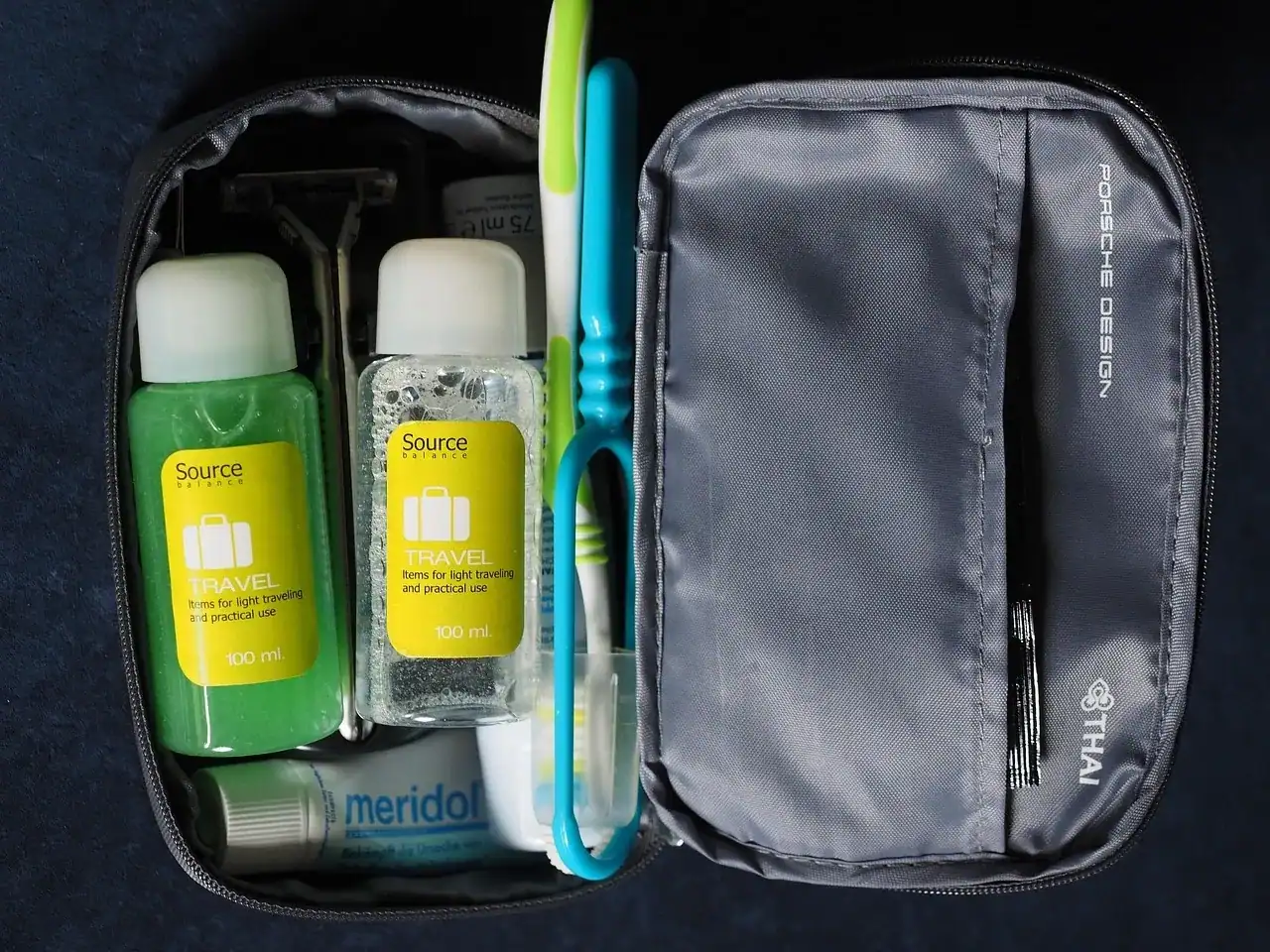
Cruise ships sell toiletries, but choice can be limited and prices are rarely the best reason to shop onboard. Pack your preferred basics, keeping airline liquid limits in mind if you are flying with hand luggage only.
Alongside usual toiletries, consider sun cream, aftersun, insect repellent for tropical ports, lip balm, plasters and pain relief you know you can take. Seasickness remedies are worth carrying even if you have cruised comfortably before. Modern ships are well stabilised, but rough weather, tender boats and smaller vessels can affect even experienced travellers.
If you use a CPAP machine, mobility aid or require a cabin fridge for medication, tell the cruise line well before departure. Do not assume every request can be arranged at check-in. The same applies to dietary needs and accessible shore excursions.
What not to put in your suitcase
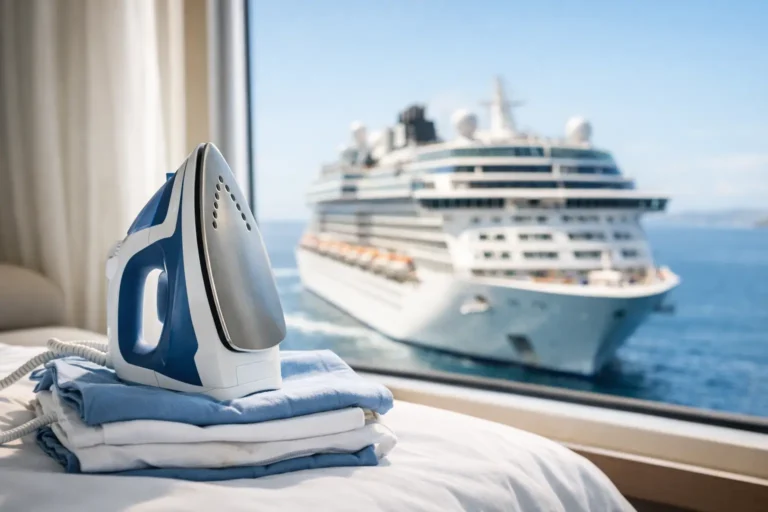
Cruise lines have specific restrictions, and security staff may remove prohibited items. Common examples include irons, steamers, candles, incense, heating appliances and, on many lines, certain surge-protected extension leads. Rules on alcohol, drones and large bottles of water also vary by operator and itinerary.
Check the latest prohibited-items list before you leave home. This is one area where advice from a previous cruise can quickly become outdated. If you are unsure about an item, leave it behind or ask the cruise line before travelling.
Tailor this checklist to your journey to the ship
Your packing plan should cover the whole holiday, not only life onboard. If you are staying near the port the night before, keep one change of clothes and overnight toiletries easy to reach. If you are flying to join the ship, split essentials between bags where possible, especially when travelling as a couple. That way, one delayed case does not leave one person without everything.
For fly-cruises, remember that airline baggage limits may be lower than the cruise line’s allowance. For no-fly sailings from Southampton, luggage is less restrictive, but the temptation to fill the car boot can lead to an unnecessarily crowded cabin. More clothes do not always mean more choice.
A final check before you zip the case
Lay everything out two or three days before departure, then remove anything that does not earn its place. Ask whether each item is needed for warmth, comfort, an organised journey or a planned activity. If it has no clear answer, it can probably stay at home.
The best cruise packing is not about travelling with the most. It is about arriving at the terminal knowing that the essentials are close by, your clothes suit the holiday ahead, and your cabin will feel calm rather than crowded.
Short of cabin space? See magnetic hooks, hanging organisers and other cabin accessories at The Essential Cruise Shop.
Frequently Asked Questions
Additional Resources

The Essential Cruise & Travel Shop

Disclaimer
The Essential Cruise Shop Blog provides this cruise packing guide for informational purposes only and does not act as a travel agency, medical practitioner or professional advisory service. The information contained in this guide is provided for general guidance only. Whilst we strive to keep content accurate and up to date, we make no representations or warranties of any kind regarding its completeness or accuracy. Cruise line baggage allowances, prohibited cabin item lists, dress codes, medical pre-registration requirements, and airline or port entry rules are subject to change without notice. We strongly recommend that you verify all specific details directly with your cruise line, airline, general practitioner or relevant entry authority before making travel bookings, decisions or financial commitments. We accept no liability for any financial loss incurred as a result of a reader’s failure to follow this advice.
Affiliate Disclosure
Many of the links are affiliate links, The Essential Cruise Shop Blog may receive a commission from qualifying clicks, orders or bookings. This income helps support our efforts to provide and improve our site and turn it into a one stop resource for travellers with a bias towards cruising.