Diy Cruise Excursions Northern Europe: How to Save Money
Introduction
Cruising through Northern Europe offers remarkable access to historic maritime cities, picturesque landscapes, and vibrant cultural landmarks. Many travellers on a fly-cruise holiday feel overwhelmed by the costs associated with organised shore tours during their ports of call. Independent exploration provides a practical way to manage costs while discovering destinations at your own sensible pace.
Planning independent days ashore requires balanced preparation and clear knowledge of local transit networks. By evaluating port layouts, ticket options, and timing considerations, you can comfortably design self-guided visits that deliver exceptional value and flexibility.
Savings Potential of Independent Sightseeing
Day excursions offered directly by cruise lines typically last from 3 to 8 hours and cost between $80 and $300 per person. Group sizes generally range from around 22 people on walking tours up to 44 passengers on bus tours. Furthermore, most cruise lines purchase their shore tours from the same local ground service operators, resulting in nearly identical tour experiences regardless of cruise cost.
Exploring independently can yield substantial cost savings, particularly in destinations where official tours carry significant price markups. The biggest revenue generators for cruise line excursions in the region are Berlin, due to its distance from the port, and St. Petersburg, due to visa restrictions. Conversely, Ice Bar excursions offered in several cities generally represent the worst value among organised options.
Independent exploration is well suited to a variety of physical abilities, provided you review activity requirements beforehand. Cruise line promotional descriptions indicate the physical activity level required for each excursion, showing that travellers with good physical fitness can accomplish more by selecting active options, whereas less demanding tours move at a much slower pace. Travel expert Gary Bembridge offers guidance on saving money on cruise port excursions and identifying cost-effective ways to explore destinations. While booking cruise line shore excursions eliminates concerns about traffic delays causing travellers to miss their ship’s departure, careful self-planning offers greater freedom.
Research and Pre-Cruise Planning
Thorough research before embarkation day helps you navigate unfamiliar ports with confidence. You should check specific entry regulations prior to travel, as tourists cannot go ashore independently in Russia without obtaining a visa in advance. For other ports of call, travellers planning independent tours should research potential tour providers prior to departure to ensure the company is reputable. Helpful independent shore excursion resources for finding port tours include Triptelligent, Viator, ShoreTrips, and CruisingExcursions.
Digital tools simplify onshore navigation without incurring heavy roaming charges. The Rick Steves Audio Europe app allows users to view and follow walking-tour maps while listening to corresponding self-guided tours offline. No active cellular or Wi-Fi connection is required while listening to downloaded audio tracks and offline maps across the continent. Travellers can easily avoid mobile data charges by downloading audio files and maps prior to departure or using European Wi-Fi hotspots onshore. Additionally, cruise passengers can use the low-cost Wi-Fi services inside port crew lounges onshore as an alternative to expensive, slow shipboard internet.
Managing electronic settings and local arrangements is equally straightforward. Travellers should disable their mobile phone’s automatic time zone feature to prevent discrepancies between shore time and ship time while in port. If you have questions about onshore currency acceptances or local customs not covered by digital resources, verify details directly with your cruise line or the official port website before arriving.
Understanding Port Locations and Transport Options
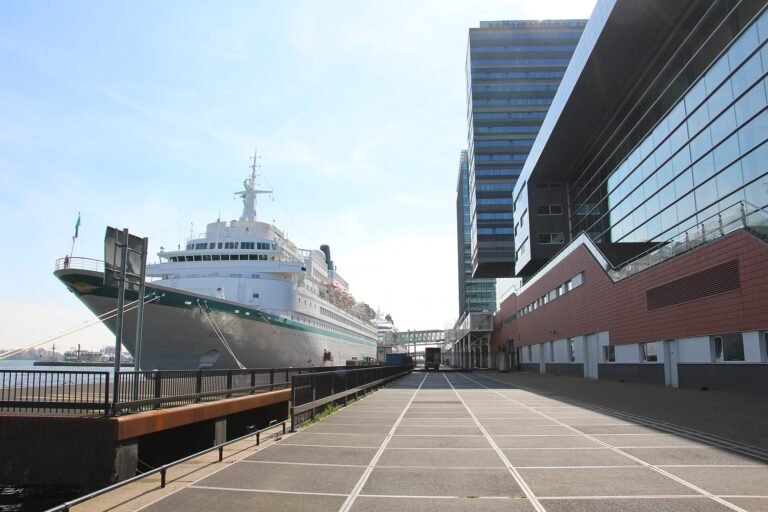
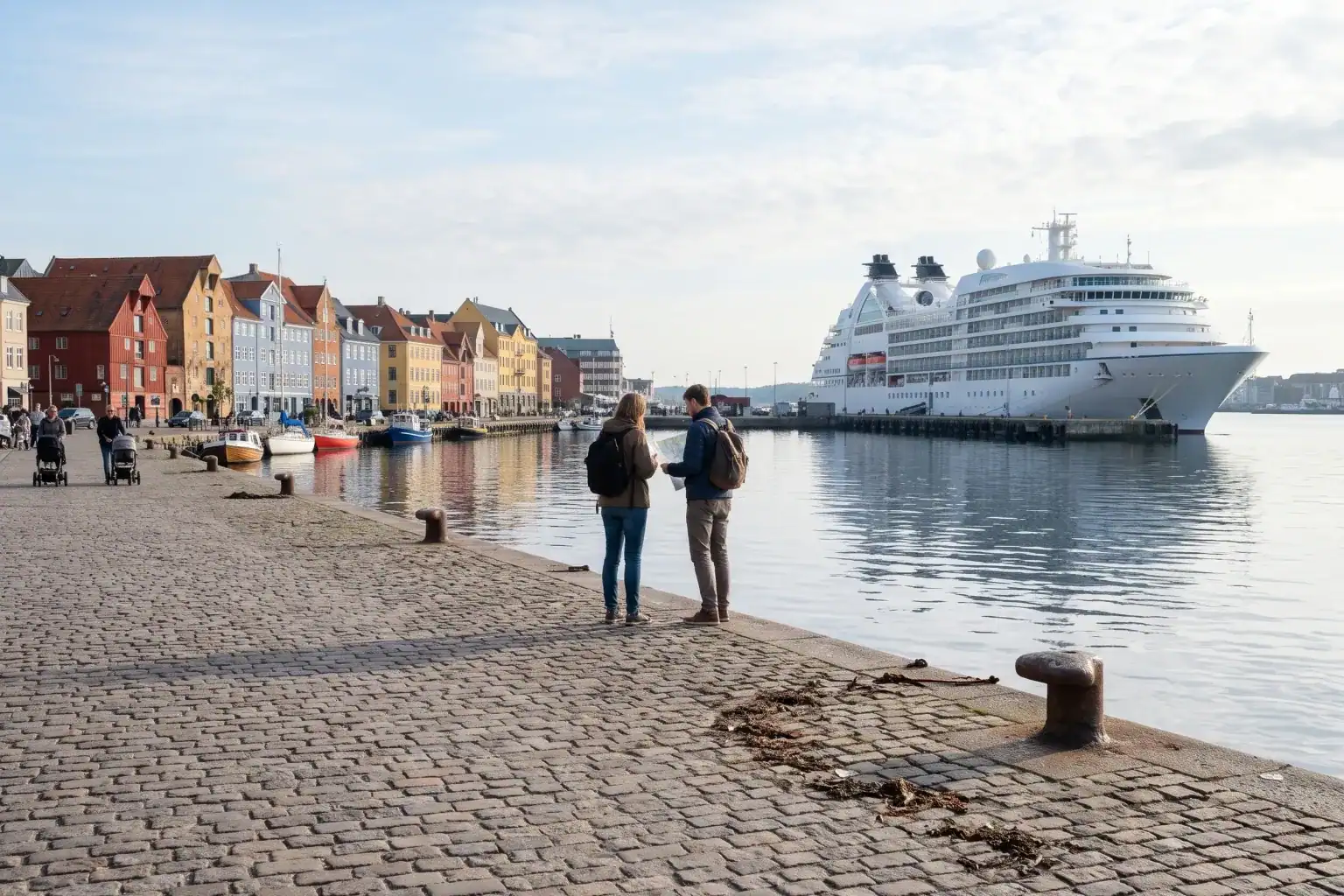
Docks across the region vary considerably in proximity to key attractions. Ports in Tallinn, Bergen, Oslo, and Copenhagen are exceptionally well-suited for independent exploration because their cruise docks are located directly in the city centre within easy walking distance. Walking directly from port provides convenient access to local shops, cafes, and museums without needing intermediate transfers.
In other destinations, docking locations dictate your transport needs. In cities such as Stockholm, smaller and more expensive ships can often dock right downtown, whereas full-sized cruise ships dock in outer industrial zones that require taking a bus. When ports are not located in the city centre, reliable public transit connects arriving cruisers directly to town. Ships in the region rarely need to drop anchor and tender passengers ashore, though large vessels occasionally anchor off Gamla Stan. For distant inland destinations, reaching Berlin from the northern coast cruise port requires allow about a three-hour train journey, keeping in mind that traffic, weather, and rail conditions can change travel times.
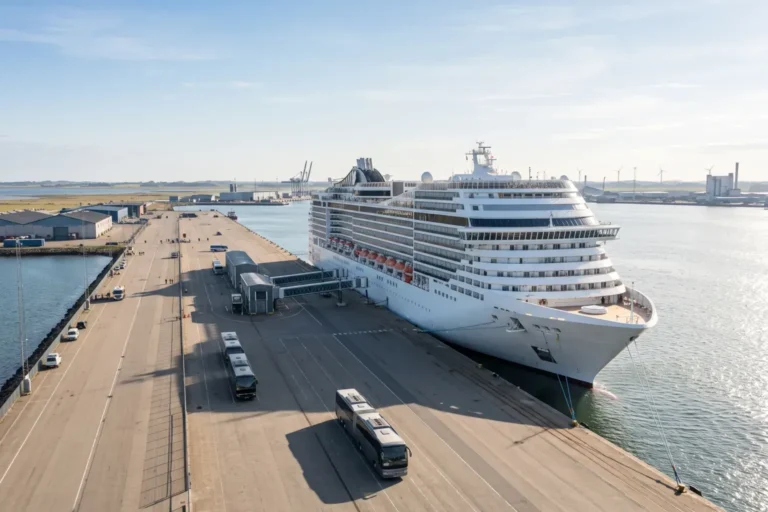
Cruise ports assist independent visitors by providing port maps, temporary tourist information tents, shuttle buses, and painted lines on the pavement to direct travellers to the town centre. Transit options located directly off the gangplank include ship-sponsored excursion buses, hop-on hop-off sightseeing buses, dedicated public shuttle buses, and taxis. Standard taxis and minibuses are available at port gangplanks and offer an economical option for small groups. Alternatively, groups can save money by hiring a taxi for a personal tour if they select an English-speaking driver and establish a price before starting the trip. Renting a car can also be an economical option for a group of four when visiting small towns or sights located far from the pier.

Navigating Local Trains, Buses, and Ferries
Public transit in Europe makes it easy to get around by bus, subway, or train when schedule details are checked in advance. In Bergen, public transportation is operated by Skyss with a comprehensive network of bus and light rail routes that make getting around easy. Real-time timetables and schedule details for Skyss transit can be checked at Skyss.no, via the Skyss Reise app, or by phone. Public transit tickets and day passes for Skyss buses and light rail can be bought at ticket machines or using the Skyss Billett app. Within this network, Bybanen light rail line 1 connects central Bergen directly to Bergen Airport Flesland, while line 2 runs to Fyllingsdalen terminal.
Capital cities offer similarly robust digital transit tools. Travellers using Stockholm public transit can search for routes and journey details using the official SL app. SL Customer Service is available 24/7 by phone at +46 8 600 10 00, while the SL Security Centre operates around the clock at 020 120 25 25 for callers using Swedish phone numbers and SIM cards.
In Helsinki, the HSL app allows travellers to access trams, buses, trains, city bikes, the metro, and ferries using a single unified ticket. Single tickets and 1-day tickets for Helsinki public transit can also be purchased in person at R-kioski convenience stores and Alepa or S-market supermarkets. The HSL app provides real-time route updates for navigation, and transit is divided into zones A through D extending from the city centre to outer suburbs, with zone selection guidance available within the app.
Local routes also cater to families, sightseers, and passengers with mobility considerations. Tram lines 2 and 3 in Helsinki serve as cost-effective tourist ring routes that circle major attractions across the city. Children under seven as well as parents travelling with children in strollers ride free on all Helsinki public transportation, which also features accessible design such as low-floor trams and buses alongside elevators at metro stations. Additionally, yellow city bikes (‘Alepa bikes’) can be rented in Helsinki for a day or a month directly through the HSL app. These city bikes permit 60 minutes of continuous use per ride and can be recharged by docking at any station before continuing a trip.
DIY Sightseeing and Entry Tickets
Planning entry tickets and touring tools independently provides flexibility and financial savings. Cruisers can arrange their own excursions by booking in advance online or signing up for activities upon arriving at the pier.
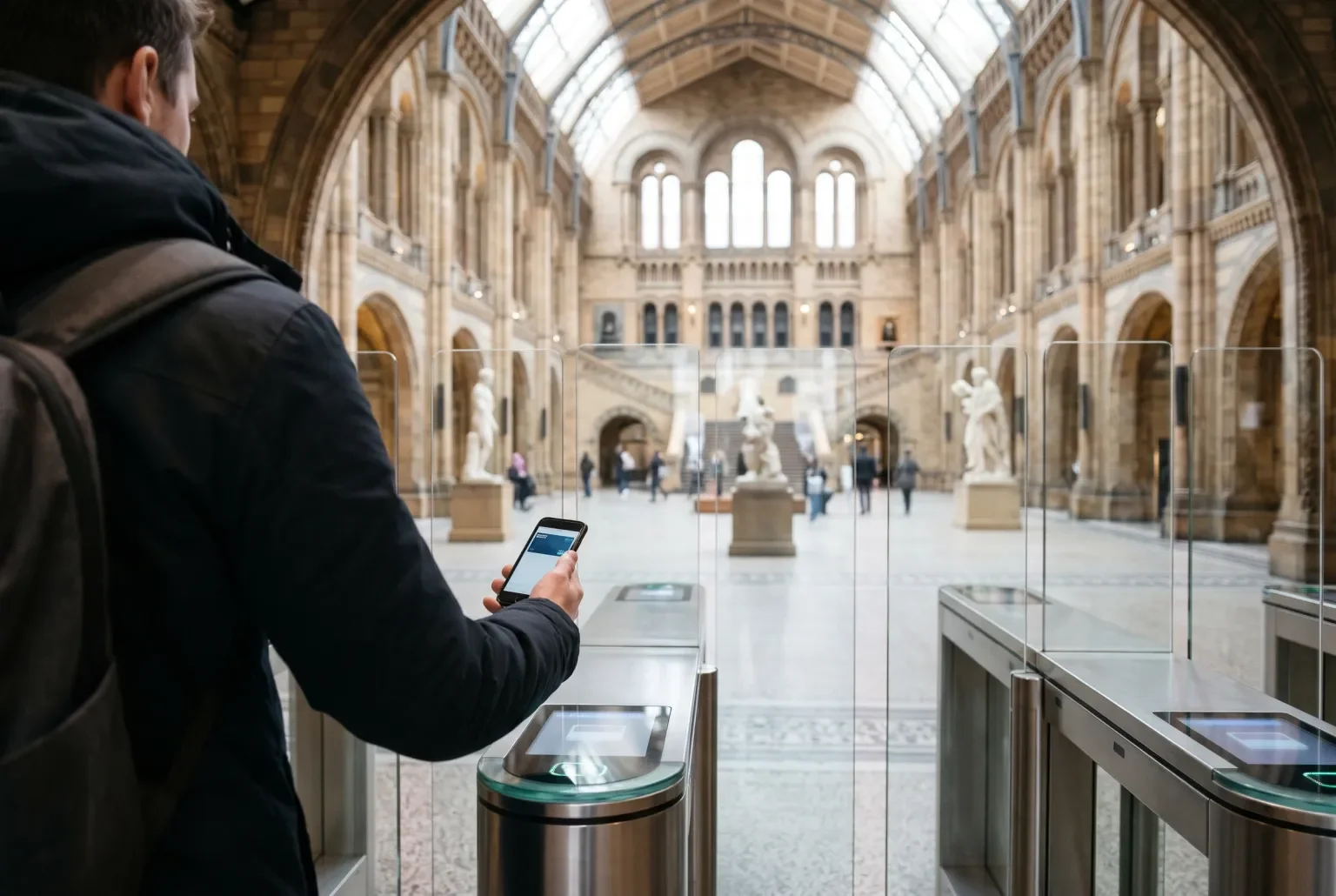
City tourist passes offer bundled value for day visitors exploring multiple venues. The Bergen Card includes free travel on the light rail and buses across Vestland as well as free or discounted admission to attractions, museums, and parking. It is sold as a 24-, 48-, 72-, or 96-hour pass in a digital format and serves as a valid transit ticket without needing extra purchases. Where specific ticketing procedures or venue hours are not detailed in local passes, check the official website of the attraction prior to arrival.
Guaranteeing On-Time Return to the Ship
Returning to the pier well before departure is essential when exploring independently. The mandatory all-aboard time when all cruise guests must return to the ship is often set 30 minutes before the scheduled sail-away time. To avoid missing the ship due to traffic delays, independent travellers should ask local residents what time to head back and pad their travel time generously. Third-party tour operators that specialise in catering to cruise passengers design itineraries to ensure guests return to the ship before all-aboard time.
If port return is delayed or passengers risk missing the ship, they should immediately contact the local port agent. Local port agent contact information can be found in the cruise line’s daily programme or mobile app. Passengers who are running late can also call the ship’s emergency contact phone number printed on their key card or daily programme.
Should an unexpected delay cause a missed departure, the port agent acts as the primary contact for next steps and holds luggage and documents cleared from their cabin by onboard staff. Reviewing these procedures in advance ensures you remain reassured and prepared throughout your journey.
Frequently Asked Questions
Additional Resources

The Essential Cruise & Travel Shop
Disclaimer
The Essential Cruise Shop Blog provides this guide for informational purposes and is not a travel agency. The information contained in this guide is for general guidance only. While we do our best to ensure the information is up-to-date and correct, we make no representations or warranties of any kind about its completeness or accuracy.
Cruise line policies, itineraries, and loyalty programs are subject to change without notice. We strongly recommend that you verify all details directly with your cruise line or a certified travel agent before making any bookings or financial commitments.
We cannot be held liable for any financial loss due to the reader’s failure to follow the above advice.
Affiliate Disclosure
Many of the links are affiliate links, The Essential Cruise Shop Blog may receive a commission from qualifying clicks, orders or bookings. This income helps support our efforts to provide and improve our site and turn it into a one stop resource for travellers with a bias towards cruising.