
Lofoten Leknes Cruise Port Guide: Leknes Port & Scenery
Introduction
Visiting the Lofoten Islands on a cruise call brings you into the heart of Norway’s Arctic wilderness, where dramatic peaks meet turquoise ocean waters. Arriving by sea presents a spectacular introduction to the region, though navigating tender boats and remote island transit can occasionally raise practical questions for travellers.
Understanding the local landing arrangements, local transport options, and surrounding points of interest ensures a smooth day ashore. With a little advance planning, you can make the most of your time exploring historic fishing villages, Arctic beaches, and mountain landscapes.
Quick Overview for Cruise Passengers
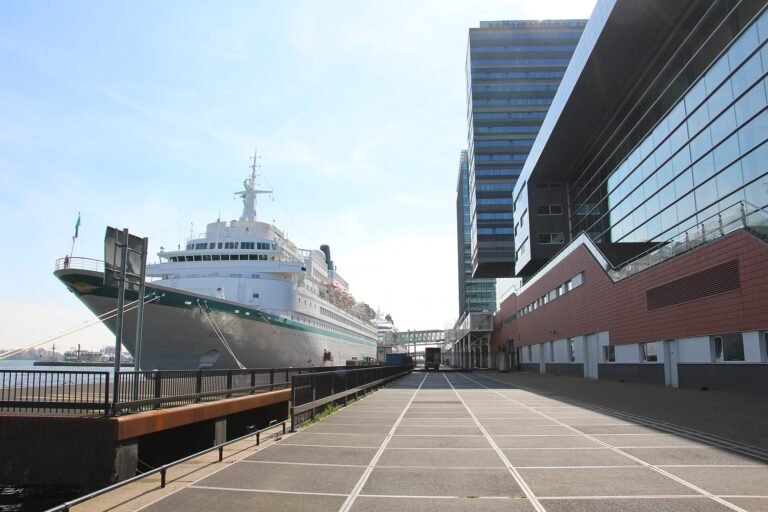
Calls to the archipelago are designated among Norway’s most popular ports of call, attracting visitors keen to experience Arctic mountain scenery and coastal heritage. Ships visiting the area typically anchor at Indre Buksnesfjord or Gravdal Bay, while vessels under 230 metres can occasionally dock at the berth.
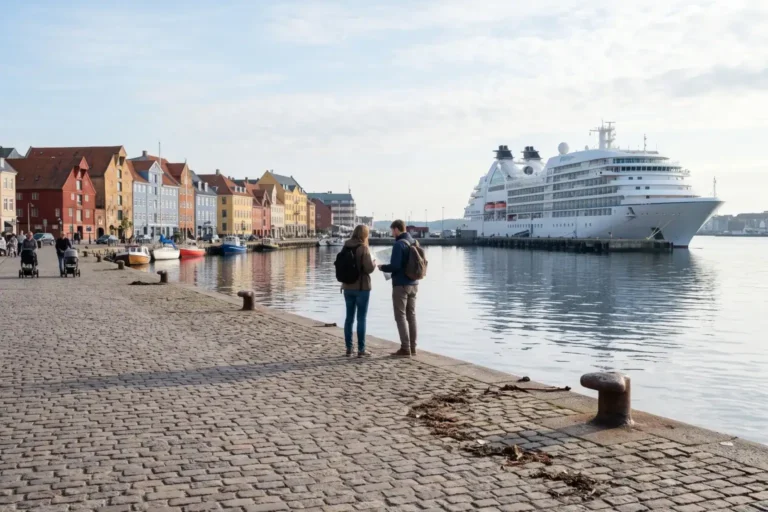
The local harbour district operates under Lofoten Havn, an organisation formed as a port collaboration between the harbour districts of Vestvågøy and Flakstad. Arrivals showcase the dramatic Lofoten Wall mountain range rising directly from the sea alongside turquoise Arctic beaches.
Throughout the year, visitors across the region can experience fishing villages, fishing trips, hiking, kayaking, Viking history, and Northern Lights or Midnight Sun safaris.
Where Do Cruise Ships Dock and Tender?
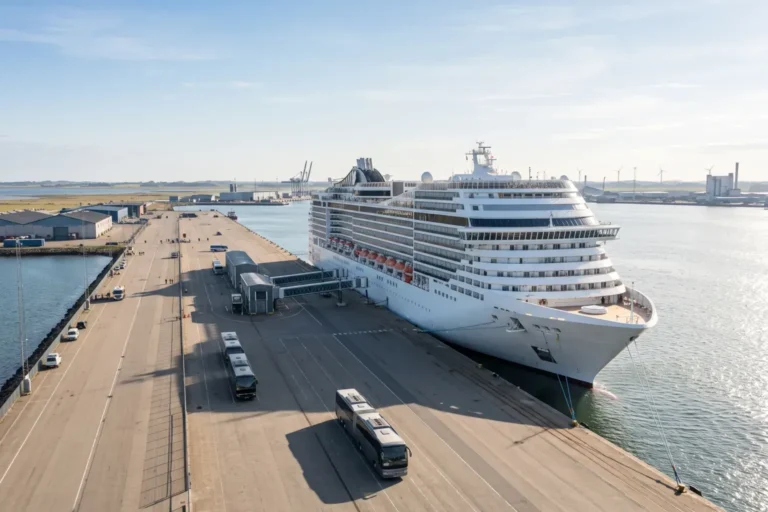
The destination provides access options both alongside at the quay and via tendering, operating as the largest of the region’s three main harbour sites with an open anchor area and a tender pier.
When tendering, passengers disembark directly onto the Storeidøya pier in Gravdal. Facilities at the immediate pier landing area are minimal, containing only a small souvenir shop and a few local houses.
By comparison, other regional stops offer different setups: Reine Ytre Havn provides a single quay in calm, sheltered water serving as a gateway to the south, while Svolvær offers two harbours situated right next to town, enabling visitors to walk ashore or take a coach.
Getting Around from the Port
Gravdal is primarily a residential port town situated on Vestvågøy Island in the central part of the archipelago. The neighbouring commercial town sits approximately 4 km (2.5 miles) south of the shared docking pier and acts as the administrative hub, hosting a bus terminal that functions as the central transport hub for the island network.
The E10 highway runs through the local commercial centre, connecting the archipelago to mainland Norway. A taxi rank is situated directly at the landing pier, and taxis can be booked using the Lofoten Taxi app or by calling 0047 07550. Pre-booking taxis before arriving is recommended for transfers.
Public transport is available near the landing. Local Bus Line 742 stops a 5-minute walk from the tender landing point. Local public buses from the main hub run to Valberg (Route 18-763), Ballstad (Route 18-766), and Mortsund, Ure, and Stamsund (Route 18-767). Note that paying for a bus ticket on board using cash or credit card incurs an extra fee of NOK 20 for adults. Journey times depend on traffic, weather, and road conditions.
Car rental agencies operate in the region with operational hubs in town or at the airport, located 4 km from the pier and requiring a taxi or shuttle connection. Rental drivers must be at least 19 years old and have held a licence for at least one year, with young driver surcharges applying under 25 years old. Rental vehicles should be equipped with AutoPass and winter tyres during the winter season.
Top Scenery and Things to Do Nearby
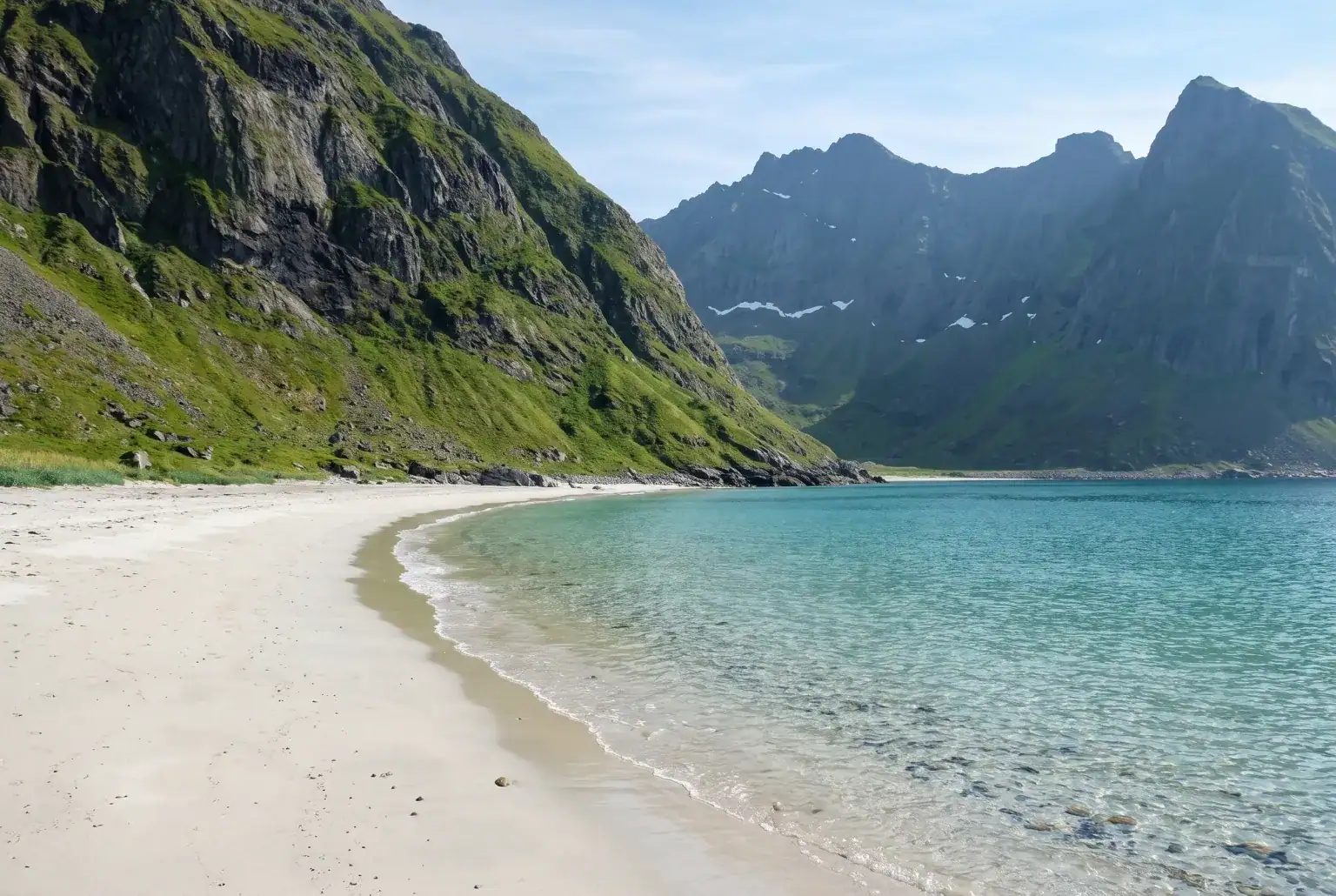
The main local attraction near the landing site is Buksnes Church, a red wooden church constructed in 1905 in the Dragestil design, located 1.2 km from the pier. The surrounding landscape features steep cliffs, mountains, and white-sand beaches.
Haukland Beach and Uttakleiv are white-sand Arctic bays located within an approximate 15-minute drive from the pier. Uttakleiv Beach features the famous Dragon’s Eye rock formation alongside coastal green meadows.
Cultural sights further afield offer rich regional history. The Lofotr Viking Museum in Borg features the world’s longest reconstructed longhouse. In Storvågan-Kabelvåg, SKREI combines a museum, aquarium, and gallery into a single regional experience. For a unique modern highlight, Magic Ice in Svolvær offers an ice gallery and bar where drinks are served in ice glasses, while Lofoten Links at Hov, Gimsøy features an 18-hole oceanfront championship golf course operating around the clock in summer.
Island travel is facilitated by impressive infrastructure. Most islands are linked by bridges and tunnels spanning 163 km along the E10 highway between Fiskebøl and Å, incorporating six tunnels, notably including the 1,776-metre underwater Nappstraum tunnel. The National Scenic Route stretches 230 km from Raftsundet to Å village, offering scenic viewpoints and picnic stops, while an express boat connection in Reinefjorden allows passengers to travel to Vindstad and Bunes Beach.
Best Shore Excursion Ideas
Guided excursions and public transport routes allow travellers to explore traditional coastal life. The Norwegian Fishing Village Museum in Å allows visitors to explore a historic living fishing village featuring a bakery, smithy, and boathouses. Nusfjord fishing village sits approximately a 30-minute drive south of the pier and charges an entrance fee during peak season. Reine and Hamnøy are located about an hour south, accessible by car or public transit.
Several public bus lines facilitate independent excursion planning. Route 300 (Lofotekspressen) links Å, Leknes, Svolvær, Evenes Airport, and Narvik. Local route 18-772 provides service connecting Å, Reine, and Hamnøy, while route 18-743 connects Svolvær, Kabelvåg, and Henningsvær. Travellers planning extensive transit can use the Travel Pass Nordland, which offers seven days of unlimited travel on regional buses and express boats.
Water-based excursions offer alternative perspectives of the coast. A 3- to 4-hour silent Trollfjord boat tour operates from Svolvær Square aboard an electric-hybrid ship between February and October. For high-speed coastal trips, The Tide in Sørvågen provides RIB boat transport to Værøy or Røst, while the NEX 2 express boat line connects Bodø, Skrova, and Svolvær. Additionally, northbound evening port-to-port journeys between Stamsund and Svolvær aboard Havila or Hurtigruten take about 1.4 hours.
Can You Explore Independently?
Independent exploration is possible, but timing requires careful management. The local town centre is located 4 km from the tender pier along a busy industrial road, making direct walking from the landing point unsuitable for a quick stroll.
To navigate public transit independently, travellers can download the Reis app, which displays public transportation schedules, shortest routes, and connections across all regional transit modes. Those driving or using road transport can check the Statens Vegvesen online traffic map, which displays live road conditions, mountain pass statuses, bridges, tunnels, and webcams.
The primary risk of independent exploration is returning late to the ship. Distance between southern villages is considerable, and missing the public return bus from places like Reine can result in a taxi fare exceeding NOK 1,500 to return to the pier.
Food, Drink and Local Craft Shopping

Right near the tender landing, Gravdal Bowling Alley serves affordable coffee for locals and visiting cruisers seeking a warm drink after stepping ashore.
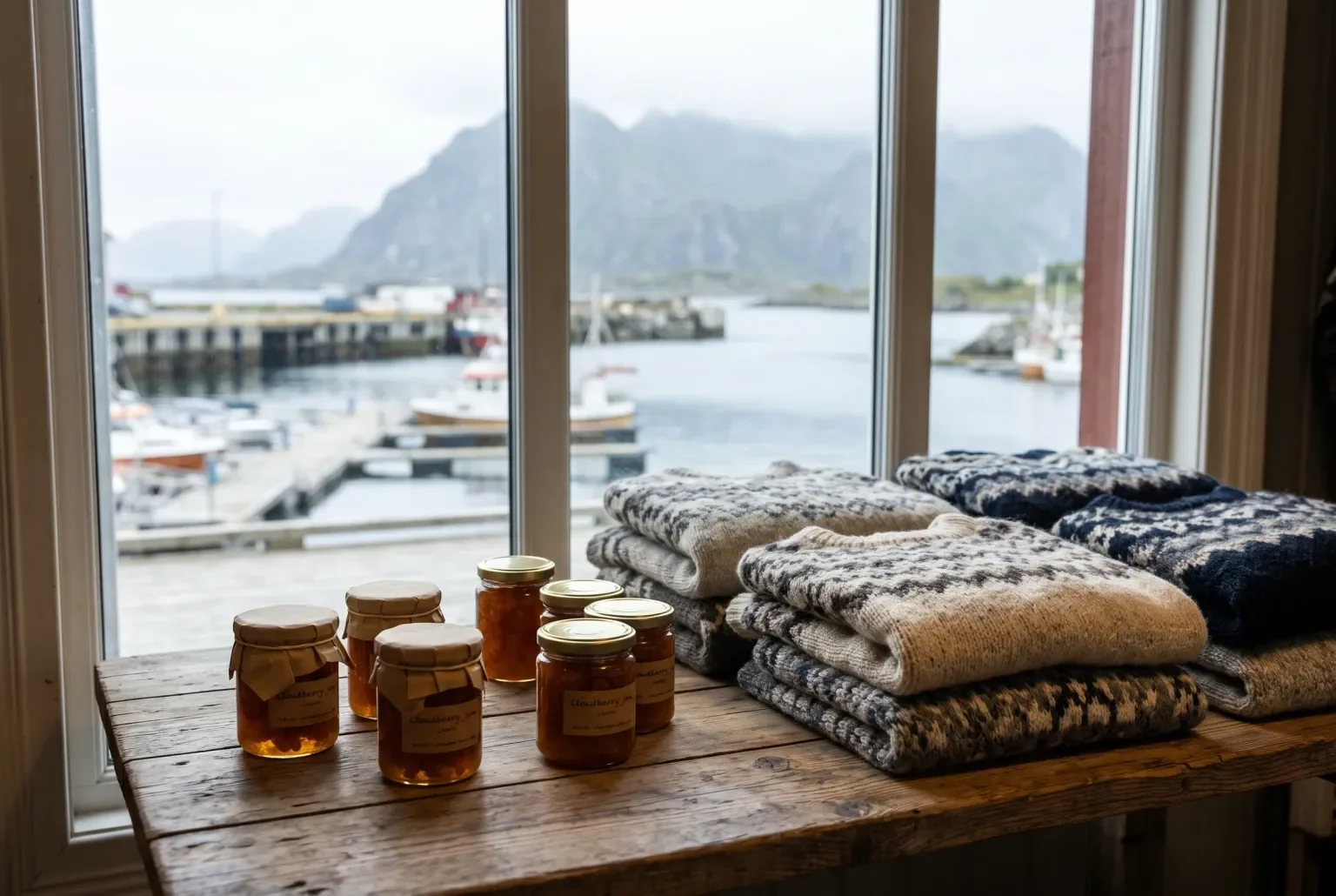
The souvenir shop located at the harbour sells local woollens, cloudberry jams, and authentic Viking-themed crafts for those seeking gifts to take home in their hand luggage.
For a local culinary taste while out exploring, Anita’s Sjømat on Sakrisøy serves locally renowned fish burgers.
Practicalities: Weather, Money and Mobility
Financial transactions across the area are convenient and modern. All payments are 100% cashless, with credit cards and mobile pay accepted at cafes and trailheads. Purchasing bus tickets via the Reis app is cheaper than paying on board. Most local ferries are free for foot passengers, whereas vehicle transport incurs a ticket fee.
For harbour and vehicle services, quay space rental across all collaboration ports can be paid through the free Gomarina app on iOS and Android. Electric vehicle drivers can locate charging stations using the A Better Route Planner application. Note that roadside camping in close proximity to other vehicles is prohibited due to fire hazards. The duty phone contact for the harbour authority is +47 76 05 59 20.
What to Pack for a Day Ashore
Coastal Arctic weather can change rapidly. Sturdy waterproof footwear is essential for outdoor walking, and hikers should avoid simple sneakers on wet granite terrain or during sudden polar low storms.
If you plan to hike, include toilet paper, hand sanitiser, a small shovel, and a ziplock plastic bag in your daypack for managing waste responsibly. Personal disposable toilet bags can be purchased at regional tourist offices, including the local office located at Storgata 8.
When relieving oneself outdoors without a toilet bag, stay at least 100 metres away from streams, rivers, and lakes to prevent water contamination. Avoid using wet wipes in the wilderness because they take a long time to decompose.
Who Is This Port Best For?
This call is ideally suited to outdoor enthusiasts, photographers, and cruisers who appreciate rugged natural scenery and authentic coastal culture. Whether you prefer a comfortable coach excursion along scenic coastal roads or an active day exploring beaches and historic sites, the landscape provides memorable Arctic vistas.
Passengers with limited mobility should take note of the tender boat operations and minimal immediate pier amenities. Checking your ship’s daily programme and reviewing excursion mobility ratings prior to disembarking will help ensure a smooth, comfortable day ashore.
Frequently Asked Questions
Additional Resources

The Essential Cruise & Travel Shop

Disclaimer
The Essential Cruise Shop Blog provides this Lofoten Leknes cruise port guide for informational purposes only and is not a travel agency or professional travel adviser. The information in this guide is general guidance only. While we do our best to keep it up to date and correct, we make no representations or warranties of any kind about its completeness or accuracy. Tender and docking arrangements, bus routes and fares, taxi and car hire rules, attraction opening times and entrance fees, payment methods and local regulations can change without notice. Please verify all details directly with your cruise line, the local operators or a certified travel agent before making any bookings, decisions or financial commitments. We cannot be held liable for any financial loss due to the reader's failure to follow this advice.
Affiliate Disclosure
Many of the links are affiliate links, The Essential Cruise Shop Blog may receive a commission from qualifying clicks, orders or bookings. This income helps support our efforts to provide and improve our site and turn it into a one stop resource for travellers with a bias towards cruising.