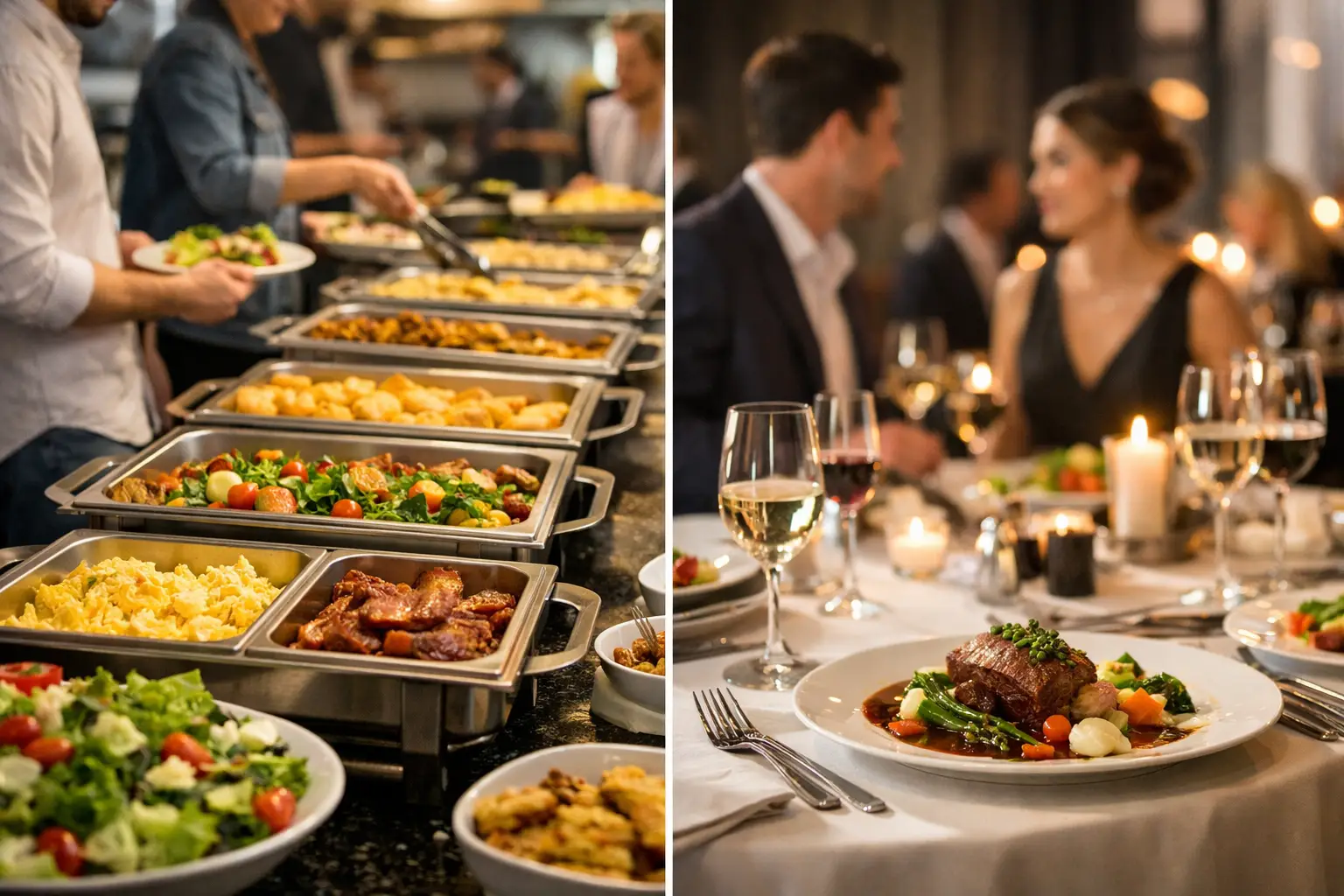
Buffet Dining vs Main Dining: Which Suits You?
Introduction
The first evening on a cruise often brings a small but surprisingly important decision: head to the buffet in whatever you travelled in, or get ready for dinner in the main dining room. Buffet dining vs main dining is not simply a choice between serving styles. It affects the pace of your evening, how formal the meal feels and how easily dinner fits around a show, excursion or an early night.
Neither is automatically better. Most cruise ships offer both because guests want different things on different days. Understanding how each works before you sail makes it much easier to choose the option that suits your plans, appetite and travel companions.
Buffet dining vs main dining at a glance
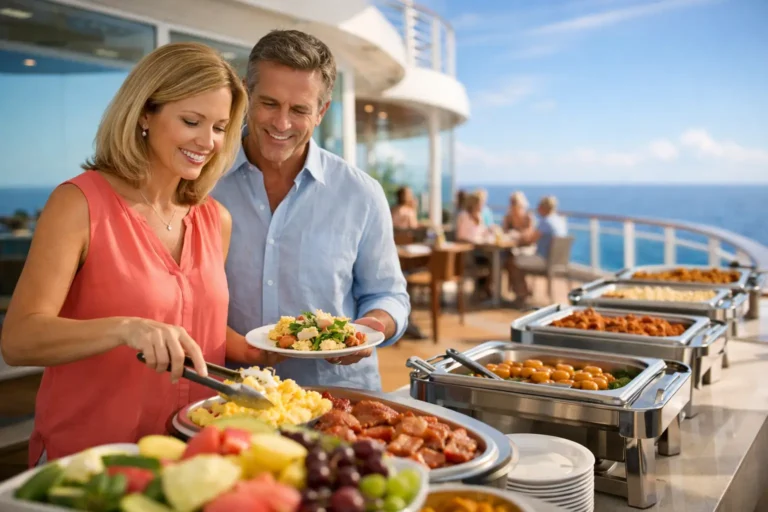
The buffet is generally the ship’s most flexible included dining venue. You choose your own table, select food from stations or counters, and eat when you are ready. It is usually open for long periods at breakfast and lunch, with evening hours that vary by ship and itinerary.
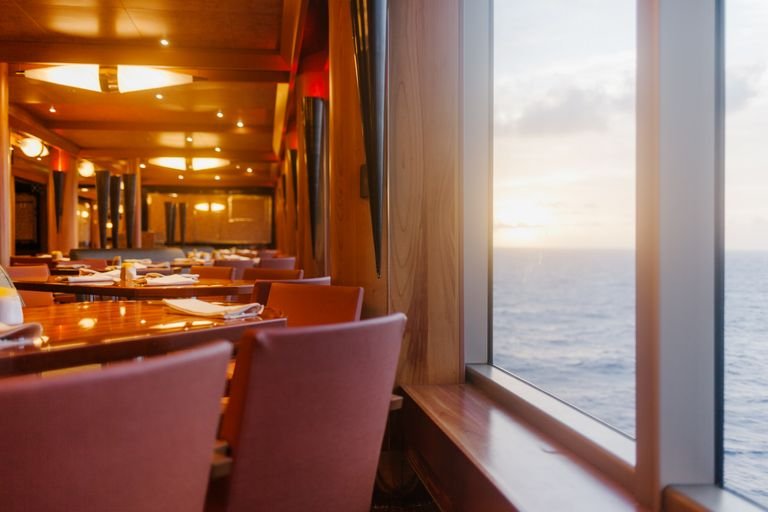
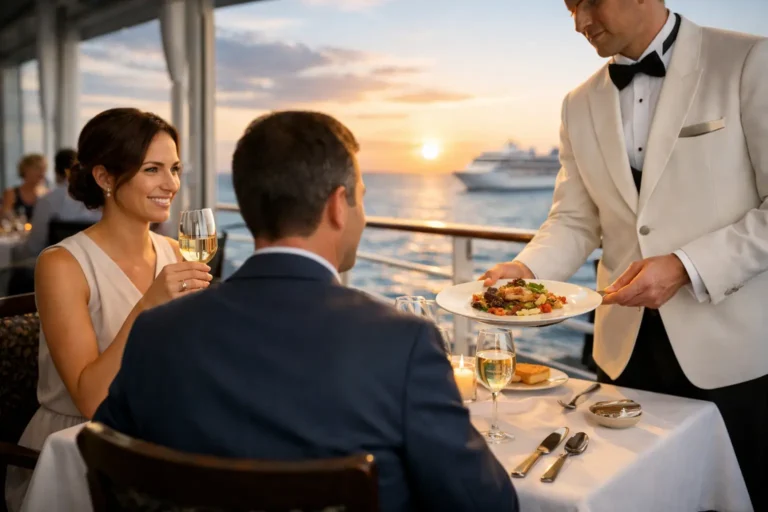
The main dining room is a full-service restaurant included in your fare on most mainstream cruises. You are shown to a table, order from a menu and are served a multi-course meal. Depending on the cruise line, you may have an allocated table and dining time, or choose a flexible time through a reservation system or virtual queue.
That distinction matters. The buffet prioritises speed, informality and range. Main dining prioritises table service, a more considered meal and a traditional evening atmosphere.
When the buffet is the better choice
A cruise buffet is particularly useful when the day has not followed a timetable. Perhaps your port visit ran late, you have returned from the pool hungry, or you want to eat before an early theatre performance. There is no need to wait for a table service meal to unfold, and you can make the meal as light or substantial as you wish.
Choice is another real advantage. A buffet may offer salads, carved meats, pasta, curries, grilled fish, vegetarian dishes, breads and desserts in one place. This can work well for couples with different preferences, families with fussy eaters and anyone who would rather see the food before deciding. You can try a little of several dishes without committing to a full starter and main course.
At breakfast and lunch, the buffet is often the most practical option. On a port-intensive itinerary, it lets you eat around excursion meeting times. On sea days, it is easy to call in for a late breakfast or a casual lunch without changing out of daytime clothes.
The trade-off is that buffets can be busy at peak times, particularly just after passengers return from ashore or on embarkation day. Finding a table may take a few minutes, and the setting can feel noisier than a restaurant. Food is prepared in larger quantities, so the experience may be less polished than an individually plated meal.
How to make buffet meals more pleasant
Timing makes a significant difference. Arrive slightly before or after the busiest period if you can, especially on sea days. A late lunch or an earlier evening meal is often calmer than the central rush.
It is also worth taking one circuit before picking up a plate. This avoids overfilling your first plate, helps you spot freshly prepared stations and gives you a better sense of the available options. Use the hand-washing facilities or sanitiser before serving, and follow any crew guidance on whether staff will serve particular dishes.
Why many guests prefer the main dining room
The main dining room gives dinner a clearer sense of occasion. You sit down, drinks are brought to the table and your food arrives course by course. After a busy day ashore, that is a welcome chance to slow down rather than carry a tray or search for a spare table.
For many first-time cruisers, this is the experience they imagine when they book. Menus usually change daily, often with a selection of familiar favourites alongside regional dishes or a chef’s recommendation. You may be able to order more than one starter, or ask your waiter for advice about portion sizes and dietary needs.
Service also adds continuity to the holiday. With traditional or fixed dining, you may have the same waiting team and table companions each evening. Some guests enjoy getting to know the people around them, while others prefer the consistency of knowing where and when they will dine.
Main dining rooms generally provide a more comfortable option for a longer evening meal, celebrations and formal or elegant nights. They are also often better at managing dietary requirements when these have been declared in advance. Crew can guide you through suitable menu choices, and the galley can prepare planned alternatives where necessary.
The compromise is time. A three-course dinner can take 90 minutes or more, depending on the ship, the dining time and how busy the venue is. If you want to see the first show, join a quiz or turn in early before a morning excursion, this needs a little planning.
Fixed dining, flexible dining and what to check
Main dining does not operate identically across cruise lines. Traditional dining usually means an early or late sitting, the same table each evening and the same companions unless you have requested a private table. It offers routine, which many returning cruisers appreciate.
Flexible dining, sometimes called anytime, freedom or open dining, allows you to choose a time within a stated window. You may reserve in advance, request a table through the cruise line’s app or simply join a queue. This offers more freedom but popular times can book up, particularly on formal nights or sea days.
Before you sail, check your booking confirmation and cruise personaliser for your assigned dining arrangement. If you have a strong preference for early or late dining, request it as soon as possible. Couples who value a quieter evening may also wish to request a table for two, although this cannot always be guaranteed.
Dress codes: casual does not always mean anything goes
The buffet is usually the most relaxed evening venue, but it still has standards. Swimwear, bare feet and wet clothing are normally not appropriate indoors, even if you have spent the afternoon by the pool. A cover-up, T-shirt and footwear are the sensible minimum.
The main dining room commonly has a smart casual expectation on ordinary evenings. For men, this may mean trousers or smart jeans with a collared shirt or polo; for women, trousers, a skirt, dress or smart top are all usually suitable. Cruise lines vary, so rely on your line’s published guidance rather than packing solely by general rules.
On formal, gala or elegant evenings, the main dining room may have a higher standard while the buffet remains a relaxed alternative. This is useful if you do not want to dress up every night, but it should not stop you enjoying the main restaurant on other evenings. Pack one or two outfits that meet your cruise line’s elevated evening code and you will have options without overpacking.
A practical approach for your cruise holiday
Rather than choosing one venue for the whole sailing, use both deliberately. The buffet is ideal on embarkation day, on busy port days, when you want a quick supper, or when you only fancy something light. The main dining room is better for slower sea-day evenings, the first night if you want to settle into the cruise rhythm, and occasions when a proper sit-down meal is part of the enjoyment.
If you have an excursion the following morning, consider the practical details. A late main dining sitting followed by a show may leave little time to organise clothes, documents and an early alarm. On the other hand, an early buffet supper can make the evening feel rushed if you have spent all day ashore. Your ideal choice may change from one day to the next.
It is also sensible to keep speciality restaurants in perspective. These often carry an extra charge and can be a lovely treat, but they are not necessary for good dining on most ships. The buffet and main dining room are designed to cover the everyday rhythm of your holiday very well.
The most relaxed cruisers are rarely loyal to just one dining style. They know when a quick plate on deck is exactly right, and when an unhurried table, a fresh menu and attentive service are worth making time for. Plan around the day you have had, not the dining option you think you ought to choose.
Frequently Asked Questions
Additional Resources

The Essential Cruise & Travel Shop

Disclaimer
The Essential Cruise Shop Blog provides this guide for informational purposes only and does not act as a travel agency or professional travel adviser. The information contained in this guide is for general guidance only. While every effort is made to keep information up to date and correct, we make no representations or warranties of any kind regarding its completeness or accuracy. Cruise line dining options, venue opening hours, dress codes, reservation policies, and dietary management procedures are subject to change without notice. We strongly recommend that you verify all specific dining details directly with your cruise line or official guest personaliser before making any bookings, travel decisions, or financial commitments. We cannot be held liable for any financial loss arising from a reader's failure to follow this advice.
Affiliate Disclosure
Many of the links are affiliate links, The Essential Cruise Shop Blog may receive a commission from qualifying clicks, orders or bookings. This income helps support our efforts to provide and improve our site and turn it into a one stop resource for travellers with a bias towards cruising.