Safaga Cruise Port Guide: Luxor Excursions & Tips
Introduction
Arriving at Safaga Cruise Port presents travellers with a fascinating choice between embarking on an overland journey to ancient Nile monuments or enjoying the natural beauty of the Red Sea coast. Many ocean cruisers experience a touch of hesitation when weighing a lengthy desert drive against a day of relaxation near the dock.
Planning ahead simplifies these decisions, ensuring you make the most of your time ashore while managing travel logistics smoothly. Clear practical advice helps turn what could feel like a complex port call into an enriching and stress-free experience.
Quick Overview for Cruise Passengers
As the primary gateway for ocean cruise ship passengers travelling to Upper Egypt and the Nile River Valley, the harbour connects maritime routes with world-famous ancient heritage. Ancient Egyptians historically referred to the southern city as Weset, while ancient Greeks named the area Thebes.
Visiting ships frequently schedule multi-day or overnight stays spanning two consecutive days in port, giving travellers extended flexibility during their call. The commercial dock operates within the Eastern European Time (EET) time zone and serves as an active maritime hub, maintaining regular ferry connections linking Egypt with Port Duba in Saudi Arabia.
For those heading inland, a 164-kilometre paved highway links the waterfront directly to the city of Qena, while the ancient sights of Luxor sit roughly 220 km (140 miles) inland. Back near the quay, traditional seafood dining centres around Aklet Samak, a local dish featuring fresh grilled fish such as mackerel or tuna.
Port Facilities and Terminal Location
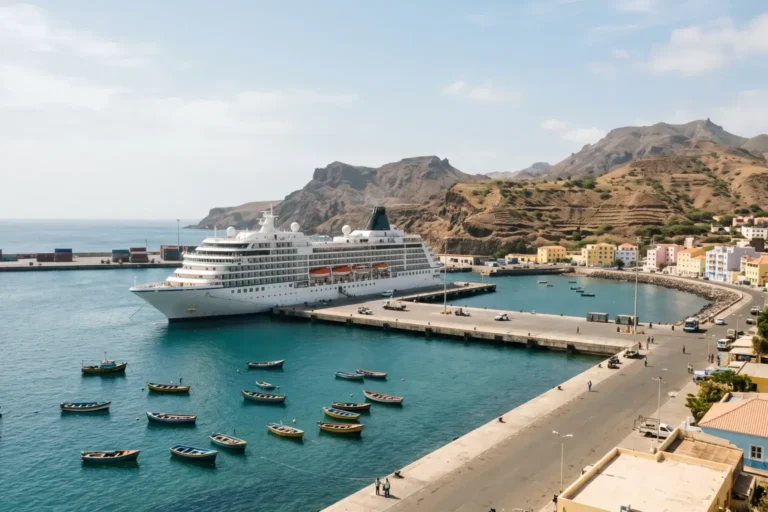
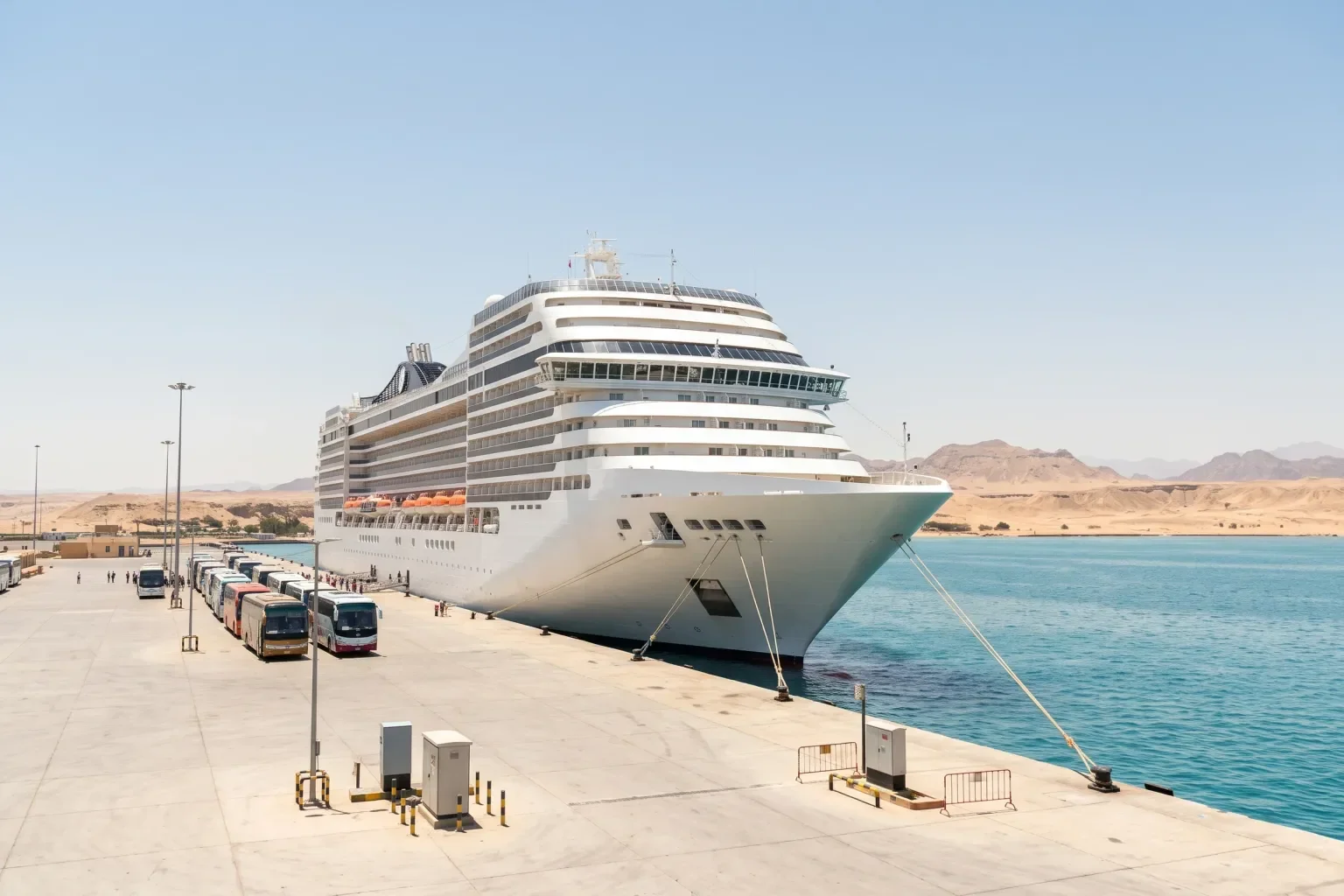
The commercial harbour is heavily industrial in character, marked by prominent silos and cranes running alongside the operational area while remaining largely out of bounds to pedestrians. The working maritime site lacks basic amenities for cruise visitors, featuring no dedicated terminal building, no cash machines, and no official tourist information desk.
Sitting approximately 2 to 3 kilometres away from the nearby town centre, leaving the immediate gates on foot is impractical, making organised or vehicular transport necessary upon disembarkation.
Although facilities inside the secure perimeter are minimal, nearby cafes and shops situated just beyond the port area offer complimentary Wi-Fi connections to customers ordering food or beverages. Furthermore, stalls in local souks near the gate provide convenient shopping options for souvenirs alongside traditional seafood eateries.
Day Trips to Luxor and Ancient Temples
Journeying inland to the Nile Valley allows travellers to explore some of the world’s most significant archaeological complexes. The estimated travel transfer time from the dock to Luxor is 2 hours and 20 minutes, though general bus travel between the coast and interior destinations such as Qena usually takes between 3 to 5 hours. Please note that journey times throughout the region are approximate guides, as traffic, weather, and security conditions can alter schedules.
Once at the ancient capital, visitors to Karnak Temple can walk among 134 massive stone columns and view the Sacred Lake. Across the river, Hatshepsut’s Temple features striking terraced architecture with intricate relief carvings detailing her divine birth and historical surgical tools. Further historic excursions in the wider region can incorporate the celestial zodiac ceiling at Dendera Temple or the famous King List at Abydos, which details 76 pharaohs.
Independent travellers looking to structure their own itinerary can hire private tour guides directly upon disembarkation at the quay gates. For localised assistance or map queries upon arrival in the Nile city, the Luxor Tourist Information Centre is situated on Nile Street.
Local Beach Resorts and Red Sea Activities
Passengers preferring to remain near the coast rather than taking a long desert drive have access to exceptional marine options. The local coastal waters feature high salinity rich in magnesium and potassium, making floating effortless and enjoyable. Popular nearby beach destinations include Soma Bay, Makadi Bay, and Coral Sun Beach, while a public sand beach suitable for swimming sits just north of the urban centre.
For a dedicated day pass experience, Nemo Dive Club & Hotel provides a private beach and swimming pool alongside organised boat day trips for underwater exploration. Nearby dining at this venue includes Western-style meals, whereas Elwardany offers authentic local dishes. Remaining in the vicinity of the port delivers a far more economical alternative for exploring the region compared to staying at upscale resort enclaves.
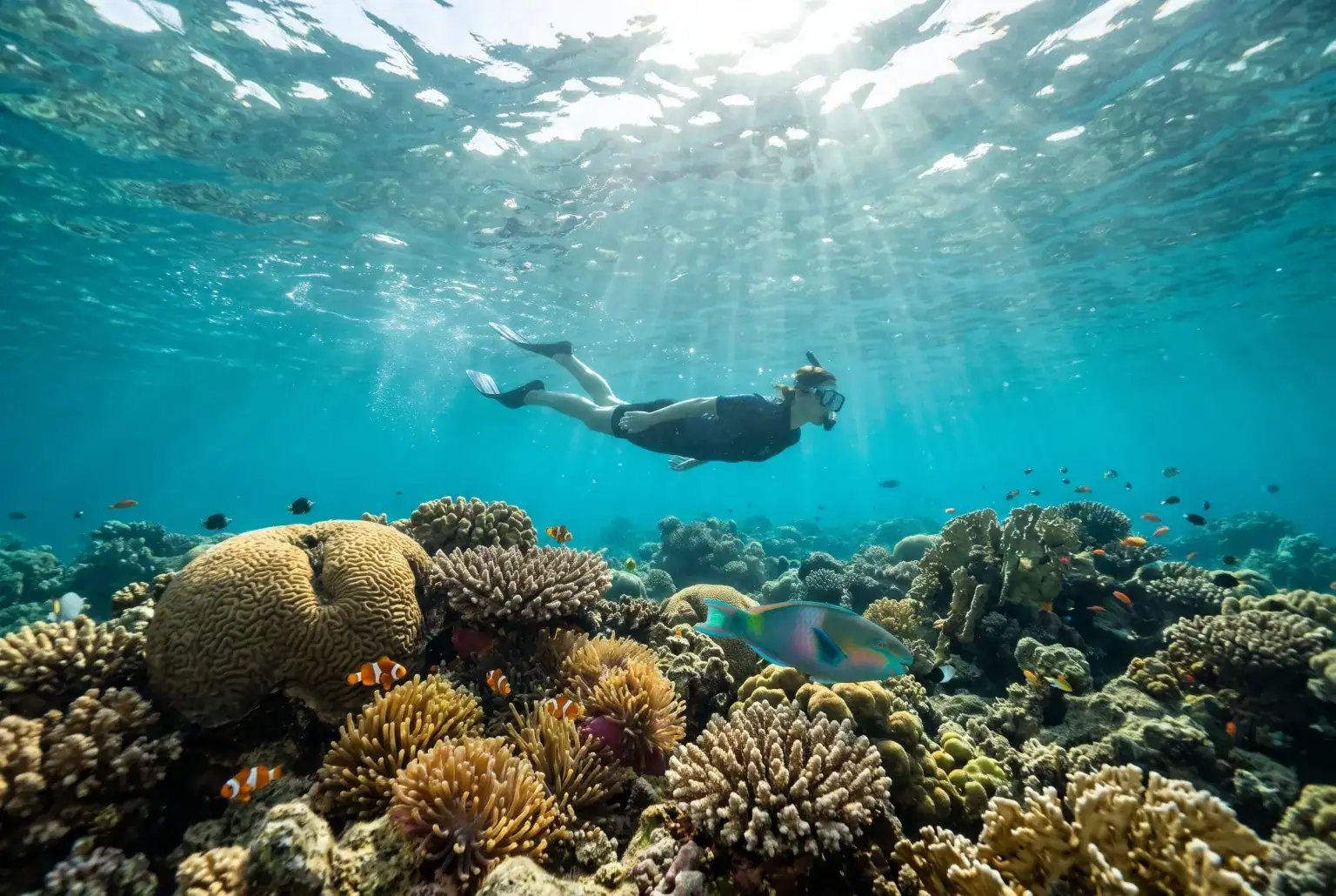
Underwater enthusiasts can join guided reef tours led by marine biologists or attempt night snorkelling to observe bioluminescent organisms. Local dive boats frequent sunken sites around Tubiya Island, which is surrounded by beachside corals, visiting locations such as North and South Fairway Reefs, Tubiya Kebir, Tubiya Soraya, Gamul Soraya, and Gamul Kebir. Additional prime spots situated 6 to 8 km offshore between the local island and the Ras Abu Soma headland include the Seven Pillars, alongside Panorama Reef and Shark Point positioned 10 km east of the island.
- Daily environmental fees of €3 apply to all divers and snorkelers participating in marine excursions.
- Offshore banana boat rides offer opportunities to spot wild dolphin pods playing in open waters.
- Reef ecosystems showcase vivid marine life including bannerfish, parrotfish, clownfish, and angelfish.
- Local shopping stalls feature fragrant sandalwood and amber oils alongside spices such as cardamom, coriander, and cloves.
- Artisan markets offer alabaster sculptures, handcrafted copper utensils, Coptic cloth, historical artefact replicas, jewellery, and painted papyrus.
- Day trips 85 km south reach historic El-Quseir, featuring a 16th-century fortress museum, a 13th-century Faran Mosque, a 19th-century quarantine hospital, a boat-building harbour, a beachside promenade, and a weekly Friday Bedouin market for Ma’aza and Ababda tribes.
- Further south, Dolphin House Reef (Samadai Reef) protects spinner dolphins with visitor caps of 200 daily, while Wadi Gimal National Park preserves Roman and pharaonic ruins like the ancient village of Geli and an emerald mine.
Transport Options from the Dock
Arranging transport from the pier requires advance planning due to the industrial location of the berth. Passengers boarding street taxis outside the gate should negotiate and firmly agree on the fare price before starting the trip to prevent overcharging.
Private transfers provide a comfortable alternative; a private vehicle transfer to Luxor costs around $75, whereas a pre-booked shuttle to Hurghada Airport costs approximately $25. Public transport remains available for budget-conscious travellers, with hourly public buses running to Hurghada for E£10 and local minibuses plying Corniche Road. The main bus drop-off point sits roughly 3 km west of the town centre beneath the Hurghada highway.
Long-distance bus services operate daily from the town to Cairo, requiring 7 to 8 hours of travel time at a cost between E£65 and E£75. Additionally, shared taxis operate from a dedicated station situated 1.5 kilometres north of the main bus terminal.
Visas, Currency and Local Practicalities
Navigating administrative requirements and payments in Egypt is straightforward when prepared. Cruise passengers can apply for an official Egyptian entry visa online prior to departure via the designated portal at visa2egypt.gov.eg.
The official accepted currency throughout the region is the Egyptian Pound (EGP). While major hotels and tourist dining establishments readily accept credit cards, cash remains mandatory for purchases at small shops, local souks, street stalls, and when paying taxi drivers.
Tipping is an integral part of local etiquette across all service sectors. Leaving small cash notes of 10 to 50 EGP is customary for drivers, tour guides, and hotel porters. This expectation also extends to bathroom attendants and temple guards who offer photo opportunities, while a standard tip of 10% is expected in restaurants when service charges are omitted from the bill.
What to Pack for Desert Excursions
Preparing an appropriate wardrobe is vital for comfort and cultural respect during shore excursions. When visiting historic temples and walking outside resort enclaves, modest attire covering shoulders and knees is expected, and men should refrain from wearing shorts. Wearing loose, breathable clothing on desert tours provides superior sun protection compared to shorts and vest tops.
Hydration and health precautions are equally critical during long bus journeys through arid terrain. Tap water in Egypt is unsafe for consumption, so travellers should rely strictly on bottled or filtered water, including when brushing teeth.
Passengers planning to spend time in the water should pack suitable swimwear and rash guards. Marine life in the Red Sea is diverse and abundant, including large species such as aggressive hammerhead sharks in deeper offshore waters.

Safety and Health Tips
The region is generally safe for international visitors, particularly within tourist-frequented areas along the Red Sea coast and around major Nile landmarks. Egyptian authorities maintain tight security surrounding key tourist sites through regular checkpoints, baggage scanners, and visible uniformed personnel.
Managing persistent street vendors or market haggling is best handled calmly and respectfully. Declining unwanted offers politely with the Arabic phrase ‘la shukran’ (meaning no thank you) while continuing to walk away with confidence quickly resolves most interactions.
Climate conditions require careful attention, as ambient temperatures frequently exceed 100 degrees Fahrenheit, and summer highs in Upper Egypt cities like Luxor often reach 113°F (45°C). The recommended period to visit to avoid extreme heat is between November and February, when daily temperatures average a pleasant 18°C to 25°C.
High UV intensity and dry desert air make frequent sunscreen application essential in all seasons. To prevent heatstroke during active sightseeing, travellers should carry a bottle of water at all times, stay thoroughly hydrated, wear a wide-brimmed sun hat, and seek shade whenever available.
Who Is This Port Best For?
This destination appeals strongly to travellers passionate about ancient history, architectural wonders, and world-class marine environments. Whether embarking on a memorable overland journey to legendary Nile temples or enjoying sunny Red Sea beaches, the port serves as a versatile gateway to the region’s top sights.
Passengers with reduced mobility should note that the working dock lacks step-free terminal facilities, and ancient archaeological sites feature uneven stone paving and desert terrain. Booking guided excursions with dedicated transport ensures the most comfortable and manageable experience for all physical ability levels.
Frequently Asked Questions
Additional Resources

The Essential Cruise & Travel Shop

Disclaimer
The Essential Cruise Shop Blog provides this guide for informational purposes and is not a travel agency. The information contained in this guide is for general guidance only. While we do our best to ensure the information is up-to-date and correct, we make no representations or warranties of any kind about its completeness or accuracy.
Cruise line policies, itineraries, and loyalty programs are subject to change without notice. We strongly recommend that you verify all details directly with your cruise line or a certified travel agent before making any bookings or financial commitments.
We cannot be held liable for any financial loss due to the reader’s failure to follow the above advice.
Affiliate Disclosure
Many of the links are affiliate links, The Essential Cruise Shop Blog may receive a commission from qualifying clicks, orders or bookings. This income helps support our efforts to provide and improve our site and turn it into a one stop resource for travellers with a bias towards cruising.