
What Bags Are Allowed on Cruises? Practical Guide
Introduction
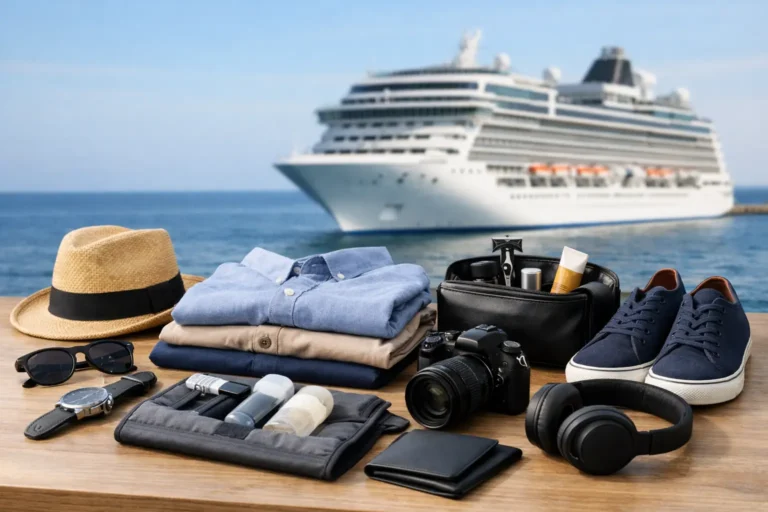
The question of what bags are allowed on cruises usually comes up just as the packing begins. Most cruise lines are far less restrictive than airlines, but that does not mean every bag is equally useful. The right mix makes embarkation easier, keeps essential items close by and avoids the frustration of waiting for checked luggage to reach your cabin.
For most ocean and river cruises, you can bring a main suitcase, a smaller cabin bag and a day bag. The finer details depend on your cruise line, your cabin type, your travel arrangements and whether you are flying to the port. In practice, airline limits are often the restriction that matters most for UK guests.
What bags are allowed on cruises?
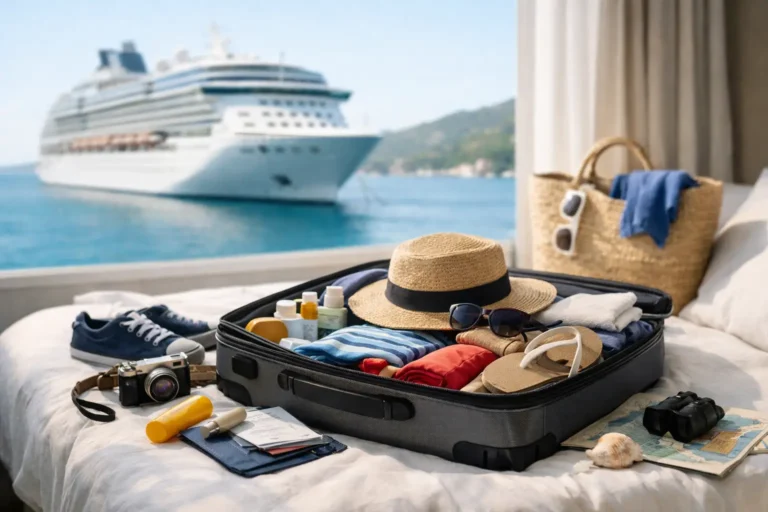
Cruise lines generally permit conventional holiday luggage: hard-shell or soft-sided suitcases, wheeled holdalls, duffel bags, garment bags, backpacks and small cases. There is rarely a formal, publicly enforced limit on the number of bags you may take, provided they can be stored safely in your cabin and do not contain prohibited items.
That flexibility is welcome, but cabins are not large hotel rooms. A ship may accept several cases per guest, yet two large suitcases apiece can quickly take over the available floor space. Most modern cruise cabins have room beneath the bed for standard medium or large cases, although extra-deep cases, rigid trunks and bulky luggage can be awkward to store.
A sensible approach for a typical seven-night sailing is one medium or large suitcase per person, one carry-on bag and one small personal bag. Longer voyages, formal evenings, colder itineraries and cruises with pre- or post-cruise stays may justify a little more. For a short river cruise, where cabins are usually more compact and dress codes more relaxed, lighter packing is often the better choice.
Main suitcases and checked luggage
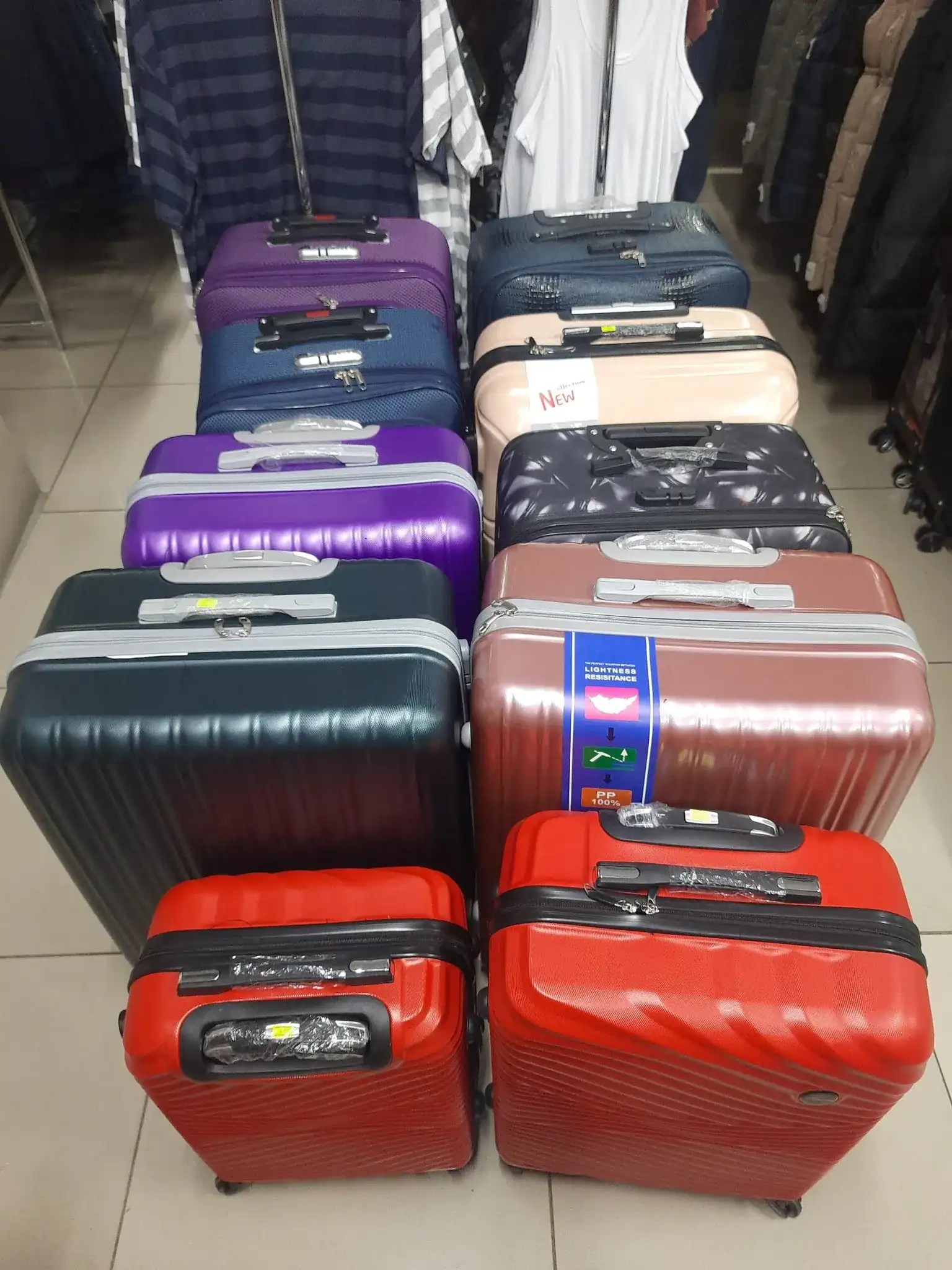
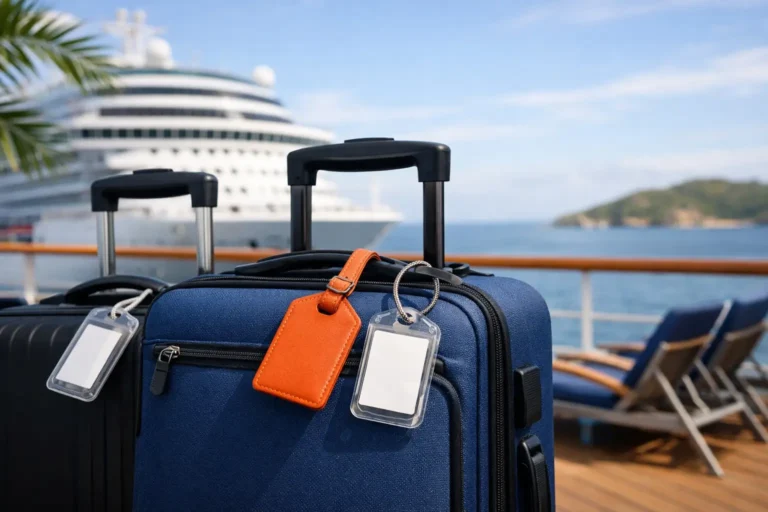
Your main case is normally handed to porters at the terminal before check-in. Attach the cruise line’s printed luggage tag securely, ideally protected with a clear tag holder or covered with strong tape. It identifies your ship, sailing date, deck and cabin number, allowing the crew to deliver the bag to your door later that day.
Suitcases pass through port security before they reach the ship. Delivery can be quick, but it may also take several hours, particularly when thousands of guests embark together. Do not put anything you need during the first afternoon in checked luggage.
Hard cases protect fragile items and are easier to wipe clean after transfers, while soft-sided bags can be lighter and more forgiving in tight spaces. Neither is universally better. Choose a case that you can manage over kerbs, station platforms and hotel corridors, not only from the taxi to the terminal.
Carry-on bags for embarkation day
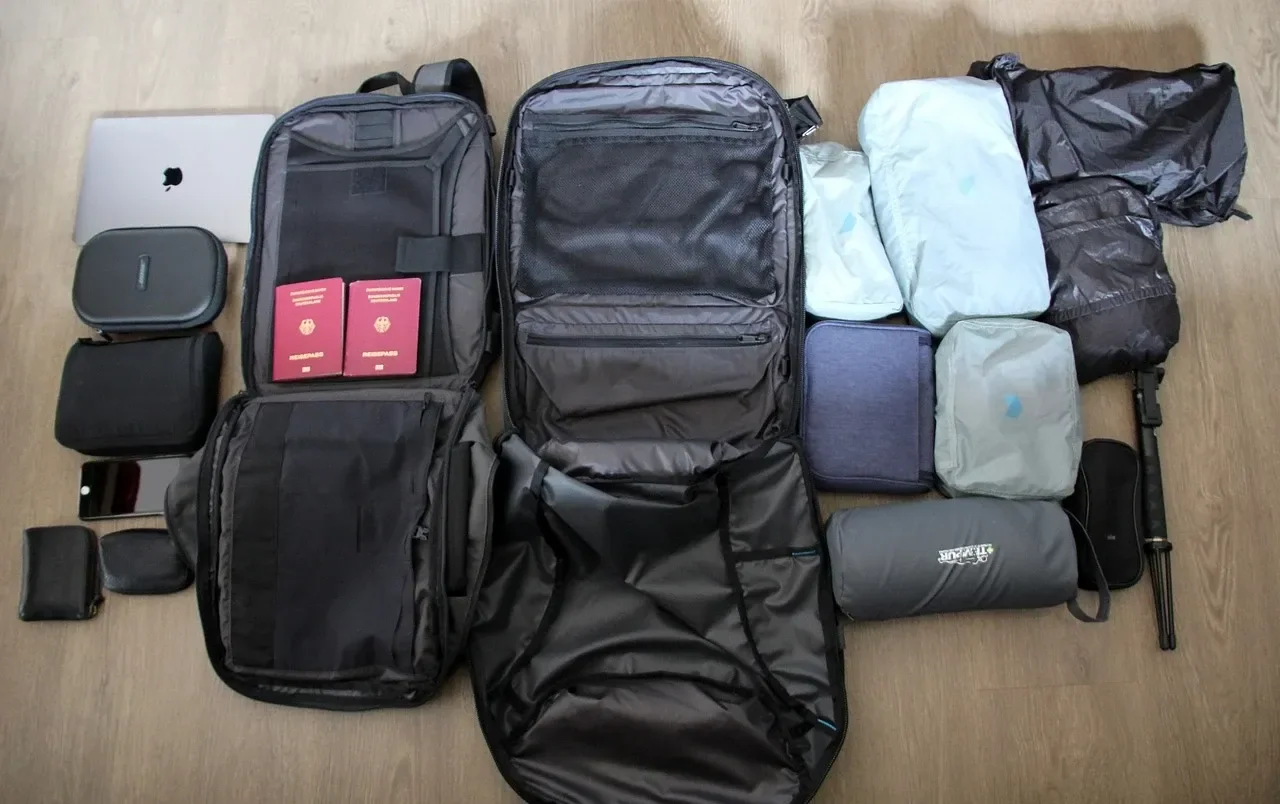
A carry-on is the bag you keep with you through check-in and security. It can be a small wheeled case, backpack, tote or holdall, but it must fit through security screening and be manageable while you wait for cabin access.
Pack the things that would cause genuine inconvenience if your main case arrived late: passports, boarding documents, medication, valuables, glasses, mobile phone chargers and a change of clothes. Swimsuits are especially useful if you plan to use the pool before cabins are ready. If you are travelling with young grandchildren or have dietary or medical requirements, include any immediate essentials here too.
Avoid making this bag too heavy. You may be carrying it around the ship for a few hours, and lift access can be busy at peak times. A compact backpack or lightweight cabin case is usually more practical than an oversized bag packed to the limit.
Your day bag matters more than you think
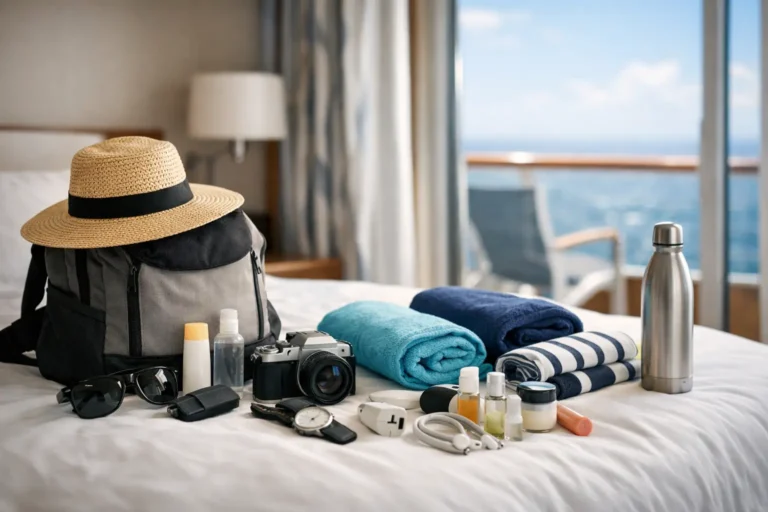
Once onboard, a small day bag earns its place every day. A cross-body bag, secure backpack or lightweight shoulder bag is useful for shore excursions, walking around ports and keeping a water bottle, sun cream, cabin card and mobile phone together.
For many couples, one shared daypack is enough for sightseeing, but two smaller bags can be more comfortable on full-day tours. Consider the itinerary. A Mediterranean city break at sea calls for comfortable walking shoes and a refillable bottle; a Norwegian fjords cruise may require waterproof layers, gloves and a spare battery pack. Your bag needs to accommodate the day, not simply look suitable in the terminal.
Choose something that closes securely. Open tote bags are convenient at the pool but less reassuring in crowded ports or on coach transfers. A bag with zipped compartments also makes security checks and finding your cruise card and mobile phone much easier.
Bags and items that can cause problems
The bag itself is seldom banned. It is what you put inside it that can lead to delays, confiscation or refusal at security. Cruise lines’ prohibited-items policies vary, so always check the current rules for your specific line before travelling.
The most common problem items include:
- Irons, steamers and other heat-generating appliances, which create a fire risk in cabins.
- Candles, incense, fireworks, flammable liquids and anything with an open flame.
- Large quantities of alcohol or drinks that breach the cruise line’s beverage policy.
- Drones, which may be restricted or require permission to use in port.
- Extension leads and unapproved multi-plug adapters, particularly those with surge protection.
Small scissors, razors, nail clippers and similar toiletries are usually acceptable, but security teams have the final decision. If an item is needed for a medical reason, carry supporting paperwork and contact the cruise line in advance where possible.
Do not pack liquids for the cruise according to airport rules unless you are flying with them in hand luggage. At the cruise terminal, the familiar 100 ml airport liquid limit does not normally apply. However, if you are flying to the departure port, airline hand-luggage rules still apply for that part of the journey.
Flying to your cruise port changes the luggage plan

Fly-cruise guests should plan from the flight backwards. Your airline’s checked-baggage allowance, cabin-bag dimensions and weight limits can be more restrictive than the ship’s rules. A suitcase that is perfectly acceptable on a cruise may incur an airline charge before you have even reached the port.
Check whether your cruise package includes luggage and, if you are arranging flights independently, confirm the allowance on every flight. This is particularly relevant for connections, regional departures and low-cost airlines. Keep medication, travel documents, valuables and one or two days of clothing in your hand luggage in case a delayed flight separates you from your checked bag.
If you have booked a cruise from a UK port, such as Southampton, Dover, Liverpool or Tilbury, you have more freedom to take larger luggage. Even then, practical limits still matter. You must load it into your car, move it from parking or a taxi, and store it in the cabin.
Special bags for formalwear, mobility and equipment
Garment bags are allowed on most cruises and can be worthwhile if you are taking a dinner suit, evening dress or occasionwear for formal nights. Some ships have become more relaxed, so decide whether the itinerary and cruise line genuinely warrant the extra item. A carefully folded outfit in a suitcase often travels perfectly well.
Guests using mobility equipment should notify the cruise line before sailing. Wheelchairs, walking aids, CPAP machines and necessary medical equipment are generally accommodated, but accessible cabins and tender ports require extra planning. A clearly labelled bag for equipment can make embarkation less stressful.
For cruises involving golf, skiing, diving or cycling, contact the line before you travel. Sports equipment may be permitted but subject to storage rules, handling arrangements or additional charges. It should never be assumed that a cabin can safely hold a large item.
Make cabin storage part of your packing decision
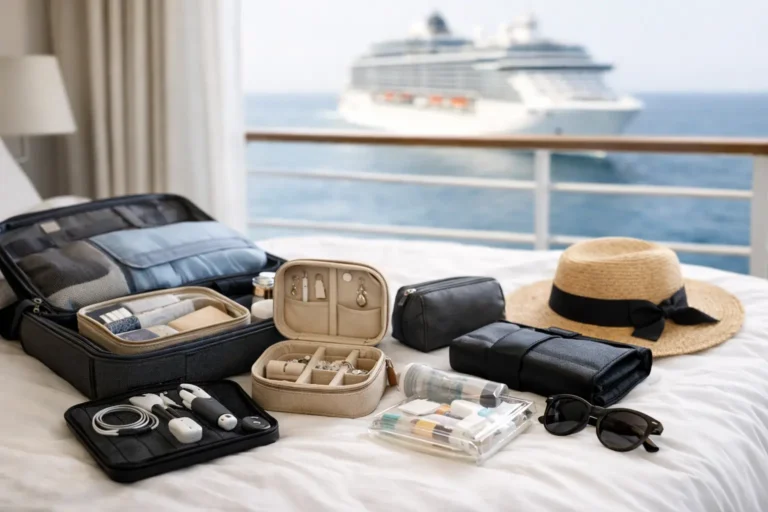
The best cruise luggage is not necessarily the biggest bag you own. It is the bag that carries what you need and disappears neatly once you are onboard. Soft packing cubes help separate eveningwear, swimwear and excursion clothing, while a foldable laundry bag keeps worn clothes from spreading through the cabin.
Before leaving home, measure your largest case and consider whether it will fit beneath a bed. If it is unusually tall, leave enough room to stand it inside a wardrobe instead. Keep your embarkation bag distinct from your excursion bag where possible: one protects essentials on day one, while the other is ready for port days.
A little restraint pays off. Packing one versatile jacket, shoes that work for more than one occasion and outfits that can be layered will usually make your holiday easier than adding a second case ‘just in case’. The aim is not to travel light at all costs, but to arrive organised enough to start enjoying the ship the moment you step aboard.
Short of cabin space? See magnetic hooks, hanging organisers and other cabin accessories at The Essential Cruise Shop.
Frequently Asked Questions
Additional Resources

The Essential Cruise & Travel Shop

Disclaimer
The Essential Cruise Shop Blog provides this luggage guide for informational purposes only and does not act as a travel agency, airline, or professional travel adviser. The information contained in this guide is for general guidance only. Whilst every effort is made to keep information accurate and correct, we make no representations or warranties of any kind about its completeness or accuracy. Cruise line baggage allowances, airline hand luggage rules, cabin storage restrictions, and prohibited item policies are subject to change without notice. We strongly recommend that you verify all specific luggage and travel details directly with your cruise line, airline, or certified travel agent before making any bookings, decisions, or financial commitments. We cannot be held liable for any financial loss or expense arising from a failure to follow this advice.
Affiliate Disclosure
Many of the links are affiliate links, The Essential Cruise Shop Blog may receive a commission from qualifying clicks, orders or bookings. This income helps support our efforts to provide and improve our site and turn it into a one stop resource for travellers with a bias towards cruising.