Is Seasickness Common on Cruises? What to Expect
Introduction
For many guests, the anticipation is worse than the reality. A little sensible planning – from choosing the right cabin to packing suitable remedies – can make a meaningful difference to your comfort and confidence on board.
A gentle roll at dinner, a rougher crossing overnight, or simply the thought of being far from shore can make first-time cruisers uneasy. So, is seasickness common on cruises? It can happen, but it is not an inevitable part of a cruise holiday. Modern ships are designed to limit motion, most sail in relatively calm conditions, and there are several straightforward ways to reduce your chances of feeling unwell.
Is seasickness common on cruises?
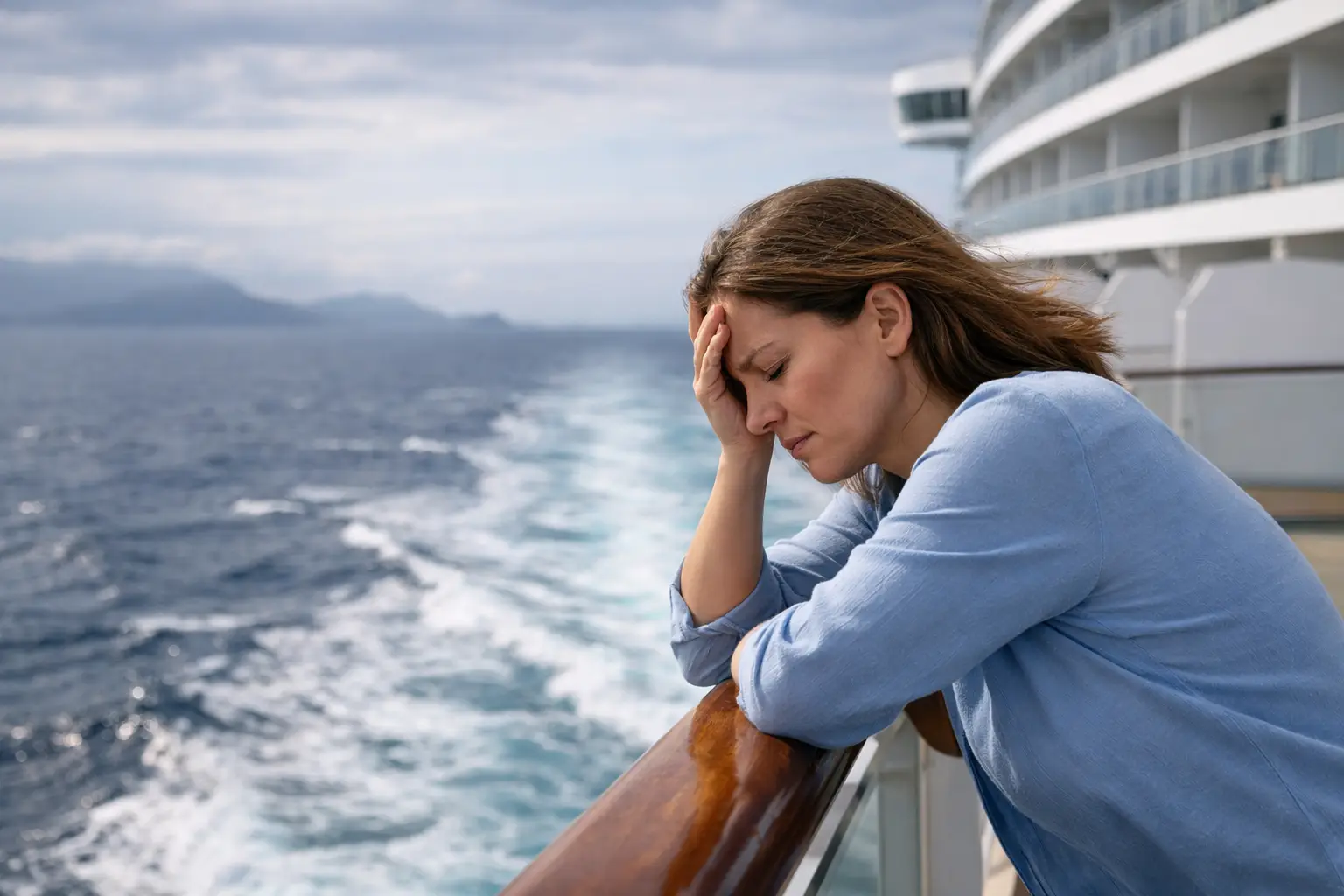
Seasickness is common enough that cruise ships carry medication and the crew are used to helping guests who feel unwell. However, it is not something that affects every passenger, or even most passengers on every sailing. How likely you are to experience it depends on the ship, route, weather, your personal sensitivity to motion and where your cabin is located.
It occurs when the movement your body feels does not match what your eyes expect. For example, you may be sitting inside a restaurant where the horizon is not visible, while your inner ear detects the ship moving. That mismatch can lead to nausea, dizziness, sweating, headache or tiredness.
Some people are more susceptible than others. If you are prone to car sickness, travel sickness on coaches, migraines or balance problems, it is sensible to assume you may be more sensitive at sea too. Equally, plenty of people who dislike winding car journeys cruise comfortably.
Why modern cruise ships feel steadier
Today’s ocean ships are far more stable than many people imagine. Larger vessels have considerable weight and length, which generally helps them move more slowly and predictably through the water. Most also use stabilisers – fin-like structures beneath the waterline that reduce side-to-side rolling when the ship is sailing in open water.
Stabilisers do not make a ship completely still. In rough seas, you may still notice movement, particularly high up and towards the front or back of the vessel. But they can significantly reduce the roll that tends to trigger seasickness.
A ship may also alter its route or speed to avoid the worst weather where practical. The captain’s priority is always the safe operation of the ship, and itinerary changes can occasionally be necessary. While that may be disappointing if a port is missed, calmer conditions can be a welcome benefit for guests concerned about motion.
Your itinerary makes a difference
Not all cruises offer the same likelihood of noticeable movement. A Mediterranean sailing in summer is often calmer than an Atlantic crossing in autumn or winter, although weather can never be guaranteed. The Bay of Biscay, parts of the North Sea and exposed ocean routes can sometimes be livelier, especially outside the main summer season.
Routes with many sea days may also give you more time in open water, whereas an itinerary that sails largely between sheltered islands or along coastlines may feel gentler. This is not a reason to avoid a particular cruise if the itinerary appeals to you. It is simply useful context when deciding how much preparation is worthwhile.
River cruises are a different experience altogether. Rivers are generally much calmer than the open sea, and most guests do not experience motion sickness on a river ship. You may notice vibrations, locks or the gentle movement of the vessel, but the rolling associated with an ocean swell is very unusual.
Choose a cabin that minimises movement
Cabin location is one of the most practical decisions you can make if you are concerned about seasickness. The most stable area tends to be midship, on a lower deck. Here, the ship’s movement is usually less pronounced than at the bow, stern or on the highest decks.
A midship cabin is not always the cheapest or most available option, particularly on popular sailings. If choosing one would stretch your budget, do not assume another cabin will make you ill. Many guests sleep soundly in forward, aft and upper-deck cabins. However, if motion sensitivity is a genuine concern, it is worth prioritising location over a minor upgrade in cabin category.
It also helps to know where to spend your time if the sea becomes choppy. Lower, central lounges are often more comfortable than high observation spaces at the front of the ship. Looking towards the horizon from an open deck can help some people reorient themselves, provided the weather permits.
How to prevent seasickness on a cruise
The best approach is to prepare before you feel unwell. Once nausea has taken hold, it can be harder to settle, so do not wait until you are struggling to consider a remedy.
Start with the basics. Get a good night’s sleep before embarkation, drink water regularly and avoid beginning your holiday with too much alcohol. A very rich meal, dehydration, fatigue and anxiety can all make nausea feel worse. On the first day or during rough weather, smaller meals and simple foods may be more appealing than a large, heavy dinner.
Green apples and ginger are also known to help.
Many UK travellers pack travel sickness tablets containing antihistamines, such as cinnarizine or promethazine. These can be effective for some people, but they may cause drowsiness and are not suitable for everyone. Speak to a pharmacist before travelling, particularly if you take regular medication, have a medical condition, are pregnant, or have concerns about side effects.
Prescription options may be appropriate for guests with a history of significant motion sickness. Arrange this well before your holiday so you can discuss the right choice with your GP or pharmacist and understand how to use it. Do not try a new medication for the first time after you have boarded, if you can avoid it.
Acupressure wristbands and ginger products are popular alternatives. Some travellers find them helpful, while others do not notice a difference. They can be useful additions to your cruise bag, but should not be your only plan if you know you are prone to severe sickness.
What to do if you start feeling unwell
If you begin to feel queasy, act early. Go outside if conditions allow, breathe fresh air and focus on a fixed point such as the horizon. Sitting or lying down in a quiet place can also help, especially if you can avoid reading, scrolling on your mobile phone or concentrating on close-up work.
Choose plain food and sip water rather than forcing a full meal. Crackers, toast, rice, bananas and other simple options are often easier to manage. Avoid strong smells where possible, including perfume, cigarette smoke and rich food.
Cruise ships have a medical centre, and the team can advise or treat guests who are unwell. Seek help promptly if vomiting is persistent, you cannot keep fluids down, you feel faint, or your symptoms seem more severe than ordinary motion sickness. It is also worth speaking to the medical team if you are unsure whether your symptoms could be caused by something else.
What to pack for peace of mind
A small motion-sickness kit takes up very little room and means you are not searching for solutions after the ship has sailed. Include any medication recommended by your pharmacist or GP, a refillable water bottle, ginger sweets or biscuits if you like them, and a few plain snacks for your cabin.
Keep essential medication in your hand luggage rather than your main suitcase. This is good cruise practice generally, as checked bags may not arrive at your cabin immediately. If you wear prescription glasses, take them with you too – being able to see the horizon clearly can be more useful than many people expect.
Travel insurance should also be arranged with your health needs in mind. Declare relevant medical conditions accurately and carry details of any regular prescriptions. These small administrative steps are part of travelling with confidence, not a reason to expect problems.
Do not let the worry overshadow the holiday
A cruise is not a test of whether you have “sea legs”. It is a holiday designed around comfort, choice and the freedom to enjoy the sea in your own way. You may barely notice the movement, or you may find that taking a tablet on the first day and choosing a midship seat at dinner is all you need.
Prepare for the possibility, particularly on an ocean itinerary, but leave room for the more likely outcome: settling into life on board, waking up somewhere new and wondering why you worried quite so much in the first place.
Frequently Asked Questions
Additional Resources

The Essential Cruise & Travel Shop

Disclaimer
The Essential Cruise Shop Blog provides this guide for informational purposes and is not a travel agency. The information contained in this guide is for general guidance only. While we do our best to ensure the information is up-to-date and correct, we make no representations or warranties of any kind about its completeness or accuracy.
Cruise line policies, itineraries, and loyalty programs are subject to change without notice. We strongly recommend that you verify all details directly with your cruise line or a certified travel agent before making any bookings or financial commitments.
We cannot be held liable for any financial loss due to the reader’s failure to follow the above advice.
Affiliate Disclosure
Many of the links are affiliate links, The Essential Cruise Shop Blog may receive a commission from qualifying clicks, orders or bookings. This income helps support our efforts to provide and improve our site and turn it into a one stop resource for travellers with a bias towards cruising.