Quark Expeditions: Polar Cruise Guide for UK Travellers
Introduction
Quark Expeditions is a polar expedition travel company that operates voyages in Antarctica and Arctic destinations, with a published programme that covers Antarctica, Greenland, Svalbard, the Northwest Passage and Patagonia. The company describes its operation as expeditions aboard purpose-built expedition ships and icebreakers, combined in some cases with land-based elements.
Polar expedition cruising works very differently from a conventional cruise. There are no big production shows, no formal nights to pack for and no fixed assumption that you will wake up somewhere new every morning. The ship is a moving base, and the itinerary is shaped by weather, ice and wildlife. Landings happen when conditions allow, the expedition leader makes the call, and the day’s plan can change more than once. That shift in expectation is the single most useful thing for a UK traveller to understand before comparing prices.
This guide explains who Quark is, how its fleet is structured, which regions it sails, what a fare normally covers, what costs sit outside it, and the practical questions around medical requirements, travel documents and accessibility. Where information varies by ship, season or departure, this guide says so rather than guessing, because polar expedition products change frequently and the detail that matters is always the detail on your specific voyage.
A Brief History of Quark Expeditions
Quark Expeditions is best understood as a specialist rather than a general cruise line. Its focus is the polar regions, and its published itineraries run to Antarctica and Arctic destinations rather than to warmer mainstream cruise routes. That narrow focus shapes everything about how the company operates, from the type of ship it uses to the kind of staff it puts on board.
Third-party fleet and itinerary listings already publish Quark departure schedules stretching into 2026, 2027 and 2028. That is normal for polar travel: because capacity is small and seasons are short, voyages are often planned and sold several years ahead. For UK travellers this means the departure you want may already be open for booking long before you would expect to think about a conventional cruise.
What Quark is known for
Quark’s own description of its business centres on polar expeditions, including Antarctica, Greenland, Svalbard and the Northwest Passage. It also offers Patagonia itineraries, which combine expedition cruising with land-based and aerial experiences such as helicopter exploration. The company is widely covered by independent fleet trackers and review platforms, which is useful when you want a second opinion that does not come from a brochure.
How Quark sits within the polar cruise market
Ownership, corporate structure and founding dates are not the sort of detail to take from second-hand summaries. If that history matters to you, check the company’s own about page or ask a UK specialist agent directly.
The Quark Expeditions Fleet
Quark’s fleet is made up of expedition ships and icebreakers rather than conventional cruise ships. Fleet composition changes over time as vessels are added, refitted or redeployed, so the honest advice is to check the current ship list on Quark’s own website for the season you are considering rather than relying on any fixed list, including this one.
Two vessels appear clearly in the available source material: World Voyager, described as the newest addition to the fleet, and Ocean Odyssey, which appears in third-party fleet listings for Quark Expeditions.
World Voyager
World Voyager is presented by Quark as the newest addition to the fleet and as a modern expedition ship built for science and discovery. That framing points to the two things expedition ships are judged on: how well they function as a platform for getting passengers ashore, and how well they support the educational side of the voyage through lecture and laboratory-style space.
Beyond that positioning, the specifics that matter to a booking decision, such as guest capacity, cabin categories, deck layout, dining venues and which activities run from the ship, need to be taken from the individual ship page. Quark publishes a dedicated World Voyager section with an overview, downloadable brochure and upcoming departures, which is the right place to confirm current detail.
Ocean Odyssey
Ocean Odyssey appears in independent fleet listings for Quark Expeditions. As with any ship, the practical questions are the same: how many guests it carries, what the cabin grades look like, what public space exists, and how the Zodiac operation is organised. Quark’s own ship pages and the departure list for your chosen dates will confirm these points, and they can change between seasons.
Other vessels and icebreakers
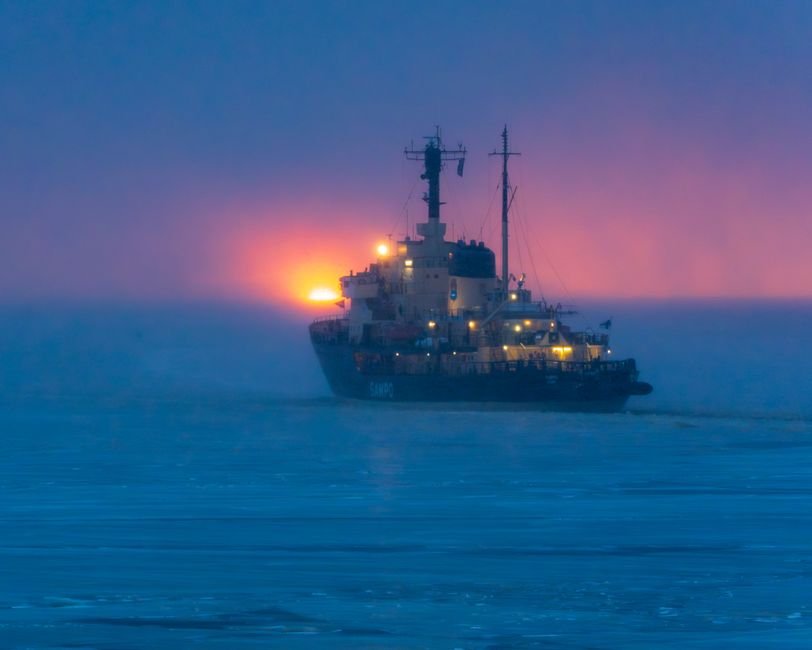
Quark describes its operation as running expeditions aboard purpose-built expedition ships and icebreakers. Icebreakers are a distinct category: they are built to work in heavier ice than a standard expedition ship, which is why they often appear on more ambitious routes and on transit-style itineraries. If a specific vessel is part of your reason for booking, confirm the ship assigned to your departure before you pay a deposit, because ship substitutions do happen in expedition cruising.
Fleet comparison table
| Ship | How it appears in available sources | What to confirm before booking |
|---|---|---|
| World Voyager | Described by Quark as the newest addition to the fleet and a modern expedition ship built for science and discovery | Guest capacity, cabin and suite grades, dining venues, activity list, assigned itineraries |
| Ocean Odyssey | Listed among the Quark Expeditions fleet in independent fleet listings | Guest capacity, cabin grades, public facilities, which seasons and regions it sails |
| Other expedition ships and icebreakers | Quark states that it operates polar expeditions aboard purpose-built expedition ships and icebreakers | Which vessels are active in your travel window and whether the ship is confirmed at the time of booking |
Accommodation and Service Levels
Accommodation on an expedition ship is a different proposition from a large resort-style cruise ship. Cabins tend to be more compact, because space that would go to extra cabins on a mainstream vessel is used for Zodiac storage, mudrooms, lecture theatres and expedition equipment instead. Choosing the right cabin grade therefore matters more than it might on a bigger ship you only sleep in.
Cabin and suite categories
Expedition ships typically offer a range of cabin grades from entry-level cabins with a porthole or window up to larger suites with separate seating areas and better views. The higher the grade, the more space and the more amenities, and the more the fare. Quark publishes deck plans and category descriptions for each ship, and those pages are the only reliable source for what a particular grade includes, because the differences between ships are real rather than cosmetic.
Factors worth weighing when you choose a grade include deck level and how it relates to motion in rough seas, whether the cabin has a window, porthole or balcony, how close it is to the mudroom and gangway used for landings, and how much storage you have for bulky polar clothing.
Amenities and what varies between ships
Service on expedition vessels is generally attentive and informal rather than formal and butler-led, although newer and larger expedition ships often add premium categories with extra inclusions. Expect the variation between ships to be greater than the variation between cabins on the same ship. Confirm details such as en-suite configuration, storage, in-cabin entertainment and any premium category benefits on the individual ship page.
Accessibility and cabin choice
Smaller expedition ships have limited numbers of accessible cabins, and older or ice-class vessels may have restricted lift access or narrow corridors. If you need an adapted cabin, a step-free route to the landing deck or assistance with mobility, raise it at the enquiry stage rather than after booking, because accessible inventory is genuinely limited on polar ships.
Antarctic and Arctic Destinations
Quark’s published destinations include Antarctica, South Georgia, Greenland, Svalbard, the Northwest Passage and Patagonia. These are not interchangeable, and no single departure covers all of them. Each itinerary visits a defined set of places over a set number of days, and the region you choose determines the season, the wildlife, the sea conditions and the cost.
Antarctica and the Antarctic Peninsula
The Antarctic Peninsula is the classic Antarctic introduction and the most accessible part of the continent. Most voyages reach it either by crossing from South America or via a fly-and-cruise option that shortens time at sea. Ushuaia in Argentina features heavily in Quark’s Antarctic operation and appears in independent listings for the company. Expect icebergs, glaciers, penguin colonies and a landing programme entirely dependent on conditions.
South Georgia
South Georgia sits in the sub-Antarctic and is usually combined with the Antarctic Peninsula on longer voyages rather than offered as a short trip. It is known for large concentrations of wildlife and for its history, and the extra sea days required mean longer itineraries and higher fares. If South Georgia is the reason you are travelling, check the day count carefully, because not every Antarctic itinerary includes it.
Greenland
Greenland itineraries tend to combine dramatic fjord scenery, ice and settlements, and they run in the northern summer. Greenland is also served by Quark’s expedition ships as part of broader Arctic programmes.
Svalbard
Svalbard is High Arctic Norway, and it is one of the more accessible Arctic destinations for UK travellers. Voyages here focus on pack ice, glaciers and Arctic wildlife, with the itinerary dictated by where the ice sits in any given season. Because conditions vary so much year to year, two Svalbard departures on the same dates in different years can look quite different.
Northwest Passage and the Canadian Arctic
The Northwest Passage is a transit through remote Arctic Canada. It is among the most ambitious itineraries in polar travel, typically requiring an ice-capable vessel, a longer duration and a higher price. It suits travellers who want the transit itself as the experience rather than a destination-led holiday.
Patagonia
Quark also runs Patagonia expedition cruises, promoted around glaciers, rare wildlife and local culture, with helicopter exploration offered as part of the experience. Patagonia works well as a combined land and sea itinerary and is a reasonable choice if you want a polar-adjacent adventure without committing to a full Antarctic crossing.
What’s Included in Your Fare
Polar expedition fares are usually built from a common set of elements, but the inclusions are not identical across every ship, season and itinerary. Quark publishes a what’s included list for each voyage, and the only safe approach is to read that list line by line and compare it across the departures you are considering.
Typically included elements
- Accommodation on board for the duration of the voyage
- Meals in the main dining venues
- The expedition programme itself, including Zodiac excursions, shore landings and guided activities, subject to conditions
- Onboard lectures and enrichment from the expedition team
- Use of expedition equipment where the operator supplies it, such as boots or outerwear, where stated
- Transfers and luggage handling where the itinerary specifies them
Typically outside the fare
- International and domestic flights, unless a package states otherwise
- Pre and post-voyage hotel stays
- Some adventure activities, which can be capacity limited, weather dependent or subject to a supplement
- Alcoholic drinks, premium beverages and some speciality dining
- Wi-Fi and communications
- Spa treatments and personal purchases
- Gratuities
- Travel insurance, including medical evacuation cover
- Passport, visa and any entry-related costs
Inclusion checklist table
| Item | Where it usually sits | What to check for your departure |
|---|---|---|
| Accommodation and main meals | Normally included | Which venues are covered and whether any carry a supplement |
| Zodiac excursions and landings | Normally included | Whether weather and ice conditions are the only limiting factor |
| Expedition outerwear and boots | Often supplied or loaned | Whether items are loaned, gifted or not provided, and what sizes are available |
| Optional adventure activities | Often a supplement or limited place | Availability, eligibility, physical requirements and how to pre-book |
| Flights, hotels and transfers | Often separate | Whether a package includes them and what happens if flights are delayed |
| Drinks, Wi-Fi and gratuities | Usually additional | Current onboard prices and whether a gratuity is added automatically |
Expedition Activities
Activities are the reason polar travel exists as a category. The core programme is built around getting off the ship, and everything else on board supports that. Availability is never guaranteed, because it depends on weather, ice, wildlife and landing site permissions.
Zodiac cruising and shore landings
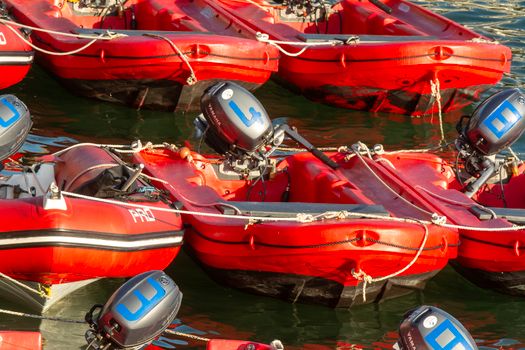
Zodiacs are the rigid inflatable boats used to move passengers from ship to shore and to cruise among ice and wildlife. Boarding involves stepping down into a moving boat, often with staff holding it steady, and landings are usually either dry, where you step onto rock or a beach, or wet, where you step into shallow water. Depending on the voyage you may also cruise in the Zodiacs without landing, which is often the best way to see ice formations and marine wildlife close up.
Wildlife watching
Wildlife watching happens from the deck, from the Zodiacs and on shore. The species you see depends entirely on the region and season. Expedition staff on Quark sailings are frequently praised in independent reviews for their expertise and their willingness to share what they spot, which makes the team itself part of the wildlife experience.
Optional adventure activities
Many polar operators offer add-on activities such as kayaking, paddleboarding or camping, usually with limited places and sometimes a supplement. If an activity like kayaking is offered on your departure, expect eligibility requirements, a safety briefing and a possibility of cancellation if conditions turn. Places on these activities can sell out before departure, so pre-book if it matters to you.
Land-based and helicopter experiences
Quark’s Patagonia programme includes helicopter exploration, which allows access to areas a ship alone cannot reach. Helicopter and flightseeing elements are typically weather dependent and may be subject to separate terms. Confirm exactly what is included and what happens if a flight cannot operate.
Dining Options
Dining on an expedition ship is designed around the expedition schedule rather than the other way around. Meals are timed so that landing groups can eat before or after going ashore, and service is generally relaxed. Independent guest reviews of Quark sailings frequently mention the quality and variety of the food, with a wide choice available. Exact venues, menus and service styles differ between ships.
Venues and meal service
Expedition ships usually have a main restaurant plus a more casual venue, and breakfast and lunch are often buffet-style while dinner is served. Some ships offer a single-seating arrangement, which suits the communal atmosphere of polar travel, and some offer more flexible timings. Check the ship page for the venues on your vessel and whether any carry a supplement.
Dietary requirements
Galley space is limited on expedition ships, so dietary requirements need to be flagged at the time of booking rather than on the first evening. Vegetarian, vegan, gluten-free, lactose-free, nut allergies and other medical diets are commonly catered for, but the practical range of options depends on the ship and the resupply ports on your itinerary. Put the requirement in writing and confirm it has been passed to the vessel.
Drinks
Alcoholic and premium drinks are generally charged to your onboard account unless a package is included in your fare or offered as a promotion. Ask what is included before you assume, and check whether a drinks package is better value for you than paying as you go.
Onboard Entertainment and Enrichment
The evening entertainment on a polar expedition ship is not the point of the voyage, and it is not trying to be. The enrichment programme is where the value sits: lectures, briefings and informal conversations with people who work in the polar regions for a living.
Lectures and specialist guides
Expedition teams typically include naturalists, historians, geologists, marine mammal specialists, ornithologists and photographers who give talks on sea days and briefings before landings. Reviews of Quark sailings repeatedly highlight the expedition staff as experts who are friendly and happy to share their experience, which is exactly what you want when a Zodiac is circling a colony or an iceberg.
Onboard facilities
Public facilities vary by ship. Expect a lounge and bar, a lecture room, a library or reading area, and, on many expedition vessels, a gym, sauna or small wellness area. Do not expect a casino, expansive retail or large-scale theatrical production. The newest ships, including World Voyager, are positioned around science and discovery, so their design leans towards observation and learning space.

Quark Expeditions for Solo Travellers
Solo travel is common in polar cruising, and many passengers book alone. The practical constraints are the same as elsewhere: ship capacity is small, so single cabins are limited.
Cabin availability and supplements
Options typically include paying a single supplement to keep a cabin to yourself, joining a shared-cabin arrangement with a same-sex cabin mate, or booking a dedicated solo cabin where one exists on the ship. Which of these is available depends on the vessel and the departure, and shared-cabin arrangements often need to be requested at the time of booking.
Practical considerations for solo UK travellers
- Ask specifically how many solo cabins the ship has and whether they are already sold for your dates
- Ask whether a single supplement is a fixed percentage or a flat amount on that departure
- Check what happens if a shared cabin arrangement cannot be matched
- Budget for single-occupancy hotel rooms if you add pre or post-voyage stays
- Consider travel insurance carefully, since solo travellers have no one else to manage a claim on their behalf
Clothing and Expedition Equipment
Packing for a polar voyage is mostly about layers and waterproofing. Conditions change fast, and you will be outside for extended periods on Zodiacs and ashore, then back inside a warm ship within the hour. The apparel that matters is the apparel that keeps you dry and lets you adjust quickly.
What to bring
- Thermal base layers, ideally merino or a synthetic wicking fabric, not cotton
- Mid layers such as fleece or lightweight insulated jackets
- A waterproof and windproof outer shell
- Waterproof trousers for Zodiac rides and wet landings
- Warm hat, neck gaiter or scarf, and liner plus waterproof gloves
- Warm socks and spare socks in a dry bag
- Sunglasses with strong UV protection, plus high-factor sunscreen and lip balm
- Swimwear if your ship has a pool, sauna or a polar plunge tradition
- Camera gear with spare batteries, which drain quickly in cold conditions
- Motion sickness remedies for any crossing, and any medication you take regularly
Equipment supplied by the operator
Many polar operators supply or loan essential outerwear, and the items most commonly provided are waterproof expedition boots and a heavy parka. Quark sets out what it provides for each voyage in its pre-departure information, so confirm before you buy anything expensive that may already be on board. If your itinerary includes a charter flight, note that baggage allowances on those flights can be tighter than on scheduled international services, so check the limits before you pack.
Gratuities and Additional Costs
Gratuities are one of the costs UK travellers most often overlook on a polar voyage. Expedition ships carry a relatively high ratio of staff and guides to guests, so a per-person, per-day gratuity adds up over a two or three week trip.
Tipping
Gratuities are generally discretionary, and the operator publishes guidance on what is customary for your voyage. Some ships add a suggested amount to the onboard account automatically, and some leave it entirely to you. Check the current policy for your departure rather than relying on what another operator does, and confirm whether tips can be paid by card or need to be in cash.
Other potential expenses
- Alcoholic and premium drinks
- Wi-Fi and satellite communications, which are often limited or unavailable in polar latitudes
- Optional adventure activities and helicopter experiences
- Spa and wellness treatments
- Pre and post-voyage hotels, meals and transfers
- Flights and any excess baggage charges
- Travel insurance with medical evacuation and expedition activity cover
- Souvenirs and any onboard shop purchases
- Currency and card fees, and any charges for onboard spending
Environmental and Sustainability Efforts
Polar tourism operates under permit systems and industry guidelines, and the specific framework that applies depends on whether the voyage is in the Antarctic or the Arctic. Those frameworks govern things like landing site numbers, wildlife viewing distances and the cleaning of boots and equipment between sites to reduce the risk of transferring invasive species.
Verifiable practices to look for
- Published environmental or sustainability policies on the operator’s own website
- Biosecurity procedures for cleaning footwear and gear between landings
- Guidance on minimum wildlife viewing distances
- Information about waste handling and fuel management on the ship
- Details of any conservation partnerships or levies, including where the money goes
Quark publishes information about its environmental commitments, and that published material is the right place to check current claims rather than relying on a summary in a guide. Read it critically and ask which practice is verified, by whom, and on which voyage it applies. Responsible wildlife tourism in the polar regions comes down to following what the guides say on the day, even when it means cutting a landing short.
Safety, Accessibility and Medical Requirements
Polar expedition cruising is a physically active holiday. Weather and sea conditions in the Drake Passage and around exposed Arctic coastlines can be rough, and Zodiac landings require a reasonable level of mobility. Being honest about your own fitness and mobility is the most important preparation you can do.
Physical demands and Zodiac boarding
Boarding a Zodiac usually involves stepping down from a gangway into a moving boat while staff hold it stable, then sitting on the inflatable tube and holding on. Wet landings mean stepping into shallow water; dry landings mean stepping onto rock or a beach. Shore excursions may involve walking on uneven ground, snow, scree or slopes. If you have knee, hip or balance issues, say so at the enquiry stage so you can be given accurate advice.
Accessibility
Accessibility varies by ship and is generally more limited on smaller and older expedition vessels. Adapted cabins, lift access and step-free routes to the landing deck are not universally available. Ask for specific information about the ship you are considering rather than about the fleet in general, and be clear about what assistance you will need.
Medical facilities and insurance
Expedition ships normally carry a medical facility and trained medical staff, but the level of care available on board is not the same as a hospital ashore, and evacuation from a polar location can take time and depend on weather. Travel insurance is essential and needs to include expedition cruising, medical evacuation and repatriation, and any pre-existing conditions declared. Some operators ask passengers to complete a medical declaration before travel, and may request confirmation from a doctor for certain conditions. Check what Quark requires for your voyage.
Required Travel Documents
Travel documents for a polar voyage depend on the countries you pass through rather than on the polar region itself. UK travellers generally need a valid passport, and some embarkation countries apply additional requirements. Because entry rules change, always check the current position with official government sources before booking flights.
Passports
Many destinations ask for passport validity extending beyond your planned return date, and some require blank pages for stamps. Check the requirement for every country on your itinerary, not just the main embarkation country, and check it close to departure as well as at the time of booking. Renew early if your passport is close to expiry.
Visas and entry requirements
Ushuaia in Argentina appears prominently in Quark’s Antarctic operation, so Argentine entry requirements are relevant to many Antarctic departures. Arctic itineraries raise separate questions depending on the countries involved, including Norway for Svalbard, Greenland, and Canada for Northwest Passage routes. Each has its own rules on visas, electronic travel authorisations and transit. Check the UK Government’s official travel advice for each country on your specific itinerary, and confirm with the operator whether any documentation is arranged on your behalf.
Insurance and other paperwork
Keep digital and paper copies of your passport, insurance policy, medical information and any vaccination records. Confirm whether the operator requires proof of insurance as a condition of travel, and keep the emergency contact number for your insurer accessible, since mobile signal in polar regions cannot be relied on.
What Travellers Should Consider
Quark Expeditions is a credible choice for travellers who want a genuine polar expedition rather than a sightseeing cruise. It is worth going in with clear expectations on both sides of that judgement.
Strengths
- A specialist polar focus rather than polar as a seasonal add-on to mainstream cruising
- Purpose-built expedition ships and icebreakers, with a newer vessel in World Voyager
- Expedition staff who are consistently described in independent reviews as expert and generous with their knowledge
- A published programme covering Antarctica, South Georgia, Greenland, Svalbard, the Northwest Passage and Patagonia
- A UK-facing website, UK blog and UK review presence that makes research easier for British travellers
- Departures published several years ahead, which suits long-term planning
Limitations and things to weigh up
- Cost. Polar expedition travel is expensive, and the base fare is rarely the total cost of the trip
- Cabin sizes on expedition ships are generally smaller than on mainstream cruise ships
- Wi-Fi and connectivity can be limited or unavailable
- Itineraries are weather and ice dependent, so landings and sites can change
- A crossing to the Antarctic Peninsula can be rough, and seasickness affects even experienced travellers
- Physical demands are real, particularly Zodiac boarding and shore walking
- Popular departures and solo cabins can sell out well in advance
The best fit is usually a traveller who values wildlife, landscape and learning over entertainment, who is comfortable with changing plans, and who is willing to invest in a longer trip to justify the flights. Travellers who want guaranteed port calls, fixed schedules and resort-style facilities may find a different kind of cruise suits them better.
Official Websites and Booking Information
Quark Expeditions publishes its own website at QuarkExpeditions.com, with a UK version of the site and a UK blog containing destination guides for the polar regions. The site carries individual ship pages, including a dedicated World Voyager page with an overview, downloadable brochure and upcoming departures, plus destination sections covering Antarctica, the Arctic and Patagonia.
How to research before you book
- Start with the official site for the current fleet list and ship specifications, since these change between seasons
- Read the what’s included and what’s not included list for each specific departure, not just for the ship
- Compare itineraries by days at sea, days ashore, landing sites, region and season rather than by headline price
- Check the activity list for your departure and pre-book anything with limited places
- Read independent reviews, including UK review platforms, for a view that is not written by the operator
- Speak to a UK specialist agent that lists Quark among its expedition cruise lines, particularly for advice on ship and cabin choice
- Confirm the ship assigned to your dates, the deposit and balance schedule, and the cancellation terms in writing
- Check your travel insurance covers expedition cruising and medical evacuation before you pay a deposit
Quark Expeditions suits UK travellers who want a polar specialist with a small-ship, expedition-first approach across Antarctica, the Arctic and Patagonia, and who accept that weather, not a timetable, sets the plan. Treat the official site as the source of truth for ships, inclusions and departure dates, use independent reviews for balance, and take advice on cabin grade and accessibility early, because on a ship this small the details you confirm before booking are the details that shape the whole voyage.
Frequently Asked Questions
Additional Resources

The Essential Cruise & Travel Shop

Disclaimer
The Essential Cruise Shop Blog provides this guide for informational purposes and is not a travel agency. The information contained in this guide is for general guidance only. While we do our best to ensure the information is up-to-date and correct, we make no representations or warranties of any kind about its completeness or accuracy.
Cruise line policies, itineraries, and loyalty programs are subject to change without notice. We strongly recommend that you verify all details directly with your cruise line or a certified travel agent before making any bookings or financial commitments.
We cannot be held liable for any financial loss due to the reader’s failure to follow the above advice.
Affiliate Disclosure
Many of the links are affiliate links, The Essential Cruise Shop Blog may receive a commission from qualifying clicks, orders or bookings. This income helps support our efforts to provide and improve our site and turn it into a one stop resource for travellers with a bias towards cruising.