
Which River Cruise Lines Suit Your Holiday?
Introduction
A river cruise can look simple on paper: unpack once, follow a scenic waterway and wake up close to a new town or city most mornings. The detail that shapes the experience, however, is choosing between river cruise lines. Their itineraries may overlap on the Danube, Rhine, Rhône or Douro, but their ships, inclusions, guest mix and day-to-day pace can feel very different.
For UK travellers, the right choice is rarely just about the lowest headline fare. It is about understanding what is included, how active the programme feels, whether the onboard atmosphere suits you and how easily the holiday fits around flights, transfers and any time you want to spend ashore before or after sailing.
What makes river cruise lines different?
River cruising is more intimate than most ocean cruising. Ships are smaller, usually carrying well under 200 guests, and they often dock within walking distance of historic centres. There are no sea days in the traditional sense, no vast entertainment complexes and generally no need to plan every evening around a show reservation.
That does not mean every line offers the same relaxed holiday. Some are built around included guided touring and enrichment talks. Others put more emphasis on fine dining, premium drinks, special-interest excursions or a boutique-hotel feel. A few offer a more flexible approach, with several activity levels in each port.
The best fit depends on what you want from your time ashore and how much choice you prefer onboard. It also depends on your budget, because a fare that initially appears higher may include excursions, gratuities, drinks or transfers that another line charges for separately.
How to compare river cruise lines properly
Start with the fare, not the brochure headline
River cruise prices can be difficult to compare at first glance. Look beyond the cabin category and check precisely what is included in the fare. Most lines include accommodation, main meals and some form of daily sightseeing, but the detail varies considerably.
Ask whether flights from the UK and overseas transfers are part of the package. Check whether drinks are included only with lunch and dinner, available all day, or charged individually. Also look at gratuities, Wi-Fi, speciality dining, e-bikes and airport transfers. These are not minor extras if you want a predictable holiday budget.
A line with a lower fare can still be the right choice if you enjoy choosing your own restaurants, prefer independent exploring or do not drink much. Conversely, an inclusive fare can offer better value for couples who intend to join most excursions and enjoy wine or beer with meals.
Think about the pace of each day
The itinerary tells you where the ship goes. The excursion programme tells you how you will experience it. This distinction matters.
Many river cruise lines offer a standard guided walk in each port. More premium or active-focused lines may offer several choices, such as a gentle panoramic tour, a longer walking tour, a hike or a cycle ride. Some excursions are included, while others are optional at an additional cost.
Be realistic about mobility and interests. Cobblestones, slopes and historic steps are common in European towns, even when the ship is conveniently docked. If you prefer a slower pace, look for lines that clearly label gentle tours and provide free time. If you enjoy covering more ground, seek out those with active options and smaller touring groups.
It is worth checking sailing times too. A daytime stretch through the Wachau Valley, Rhine Gorge or Douro Valley can be a highlight, while overnight cruising may maximise time in ports. Neither is automatically better, but it changes the rhythm of the holiday.
Compare cabins by layout, not just square footage
River ship cabins are compact and carefully designed. The main decision is usually the view and access to fresh air: a fixed window at water level, a French balcony with sliding doors, or a full balcony. On some ships, balcony space sits within the cabin rather than outside it, which preserves indoor room but may not suit everyone.
Consider how much time you expect to spend in your cabin. If your priority is value and you are happy using lounges and the sun deck, a lower-deck cabin can be a sensible choice. If morning coffee with an open view is part of the appeal, a French balcony or veranda may justify the upgrade.
Also examine practicalities. Is there adequate wardrobe space for a week or two away? Is the bathroom arrangement comfortable? Are twin beds configurable as a double? A few minutes spent studying a deck plan can prevent disappointment, particularly if you are sensitive to engine noise, prefer to be near a lift or want to avoid a cabin close to public areas.
The onboard style matters more than many first-time guests expect
The atmosphere on river ships is generally sociable but calmer than on large ocean vessels. Evenings might include a local musician, a quiz, a talk about the following day or relaxed conversation in the lounge. If you want late-night nightlife, a river cruise is unlikely to be the best match.
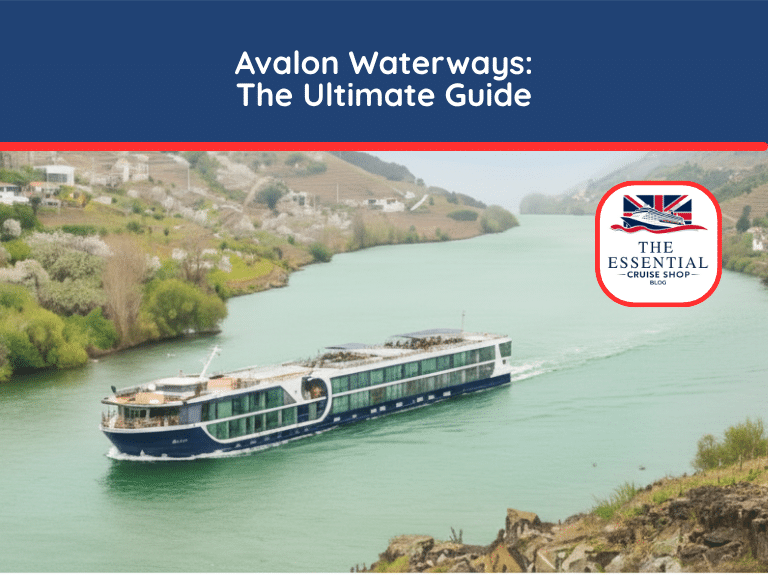
That said, style varies widely between river cruise lines. Riviera Travel is often considered a strong option for British guests seeking a straightforward, smart-casual experience and a familiar mix of included tours. Viking has a clean, contemporary style and tends to attract adults who value cultural programming and a quiet onboard environment. Avalon Waterways is known for cabin layouts designed around wide river views, while AmaWaterways often appeals to guests who want more choice in dining and active touring.
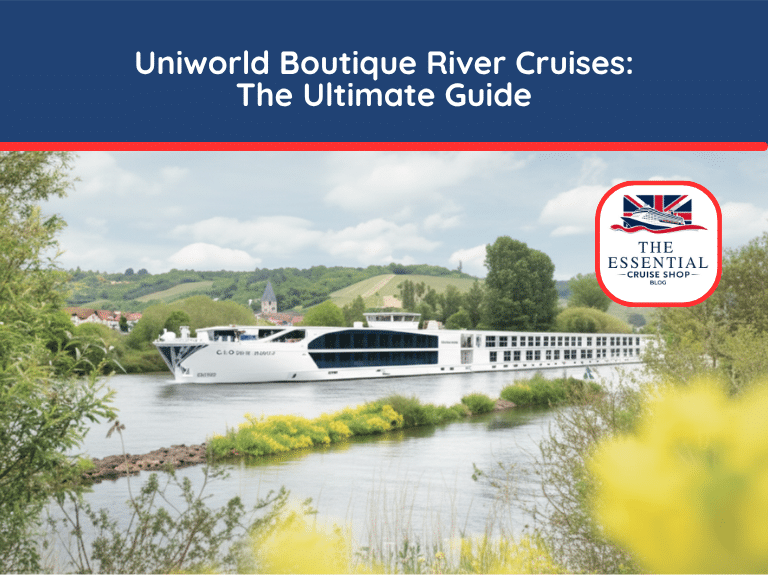
At the more luxurious end, lines such as Uniworld and Scenic place greater emphasis on design, service and inclusions. Emerald Cruises offers a modern premium approach that may suit guests looking for a polished ship without choosing the highest-priced category. These are broad characteristics rather than fixed rules, so always review the specific ship and itinerary before booking.
Guest nationality can influence the social feel, dining times and onboard commentary. UK-based travellers who prefer a predominantly British group may feel most comfortable with a UK operator or a sailing marketed specifically to the British market. International lines can be equally welcoming, but may have more North American, Australian or mixed-nationality guests.
Dress codes: smart, comfortable and destination-ready
One of the reassuring features of river cruising is that dress codes are usually relaxed. Daytime clothing should be comfortable for walking, with layers for changeable weather and shoes that cope with uneven streets. A lightweight waterproof jacket, compact umbrella and small day bag are more useful than overly formal outfits.
For dinner, smart casual is the usual standard. Think trousers, dresses, skirts, shirts, polos, blouses and neat knitwear rather than formal eveningwear. Some lines hold a welcome dinner, captain’s reception or themed evening where guests make a little more effort, but black tie is rarely expected.
The destination should guide your packing. The Danube and Rhine can bring cool mornings in spring and autumn, while the Douro may be hot during the day but cooler after sunset. Churches and religious sites may require shoulders and knees to be covered. A scarf or light layer is therefore useful well beyond the ship.
Check the route-specific practicalities
Not every river is the same holiday. The Rhine is often a good first choice, combining historic cities, vineyard scenery and efficient travel connections. The Danube offers a varied route through several countries, with itineraries ranging from short city-focused cruises to longer journeys towards the Black Sea.
The Douro is particularly scenic but includes more winding roads and longer coach journeys for some visits, including Porto or Salamanca. The Rhône and Saône suit those drawn to French food, wine and Provençal towns. Dutch and Belgian waterways are often ideal for spring flowers, art and compact city breaks.
Water levels can affect all river itineraries. High water may prevent a ship passing beneath low bridges, while low water can limit navigation in dry periods. Cruise lines have contingency plans, which might involve coach transfers, altered docking arrangements or, occasionally, a ship change. This is a genuine consideration rather than a reason to avoid river cruising. Travel insurance that covers itinerary disruption remains a sensible part of preparation.
Plan the journey to the ship with care
Your holiday begins before embarkation. Where possible, arrive in the departure city a day early, especially if arranging your own flights. This reduces the pressure of flight delays and gives you time to settle in before boarding. It can also turn a transfer point such as Amsterdam, Budapest, Basel or Porto into an enjoyable short break.
If flights and transfers are included, confirm baggage allowances, meeting instructions and the latest transfer time. If you are booking independently, allow plenty of margin between your arrival and embarkation. Keep medication, travel documents, a change of clothes and essential toiletries in your hand luggage, not in a suitcase that could be delayed.
A river cruise rewards preparation, but it should not feel overcomplicated. Choose the line whose pace, inclusions and onboard style genuinely fit the way you like to travel, then leave room in the plan for the pleasure of watching Europe pass slowly by your window.
Frequently Asked Questions
Additional Resources

The Essential Cruise & Travel Shop

Disclaimer
The Essential Cruise Shop Blog provides this guide for informational purposes only and does not act as a travel agency or professional travel adviser. The information contained in this guide is provided for general guidance only. While we endeavour to ensure information is up to date and correct, we make no representations or warranties of any kind regarding its completeness or accuracy. River cruise line fares, inclusions, itineraries, sailing times, dress codes, and river water level contingencies are subject to change without notice. We strongly recommend that you verify all details directly with the relevant river cruise line, ABTA or ATOL protected travel provider, or travel insurer before making any travel decisions, bookings, or financial commitments. We accept no liability for any financial loss or disruption incurred as a result of a reader's failure to follow this advice.
Affiliate Disclosure
Many of the links are affiliate links, The Essential Cruise Shop Blog may receive a commission from qualifying clicks, orders or bookings. This income helps support our efforts to provide and improve our site and turn it into a one stop resource for travellers with a bias towards cruising.