Ocean Cruise vs River Cruise: Which Suits You?
Introduction
A cruise holiday can mean waking to a new Mediterranean island, or gliding past vineyards on the Rhine while breakfast is served a few steps from your cabin. That is why the ocean cruise vs river cruise decision is less about which is ‘better’ and more about the kind of holiday you want to have. The ships, shore time, onboard atmosphere and practical preparation are distinctly different.
For many UK travellers, the right choice comes down to pace and priorities. If you enjoy variety, larger-scale entertainment and sea days, an ocean cruise may suit you best. If you would rather unpack once, visit historic towns close together and spend your evenings in a relaxed setting, a river cruise can be an excellent fit.
Ocean cruise vs river cruise: the key difference
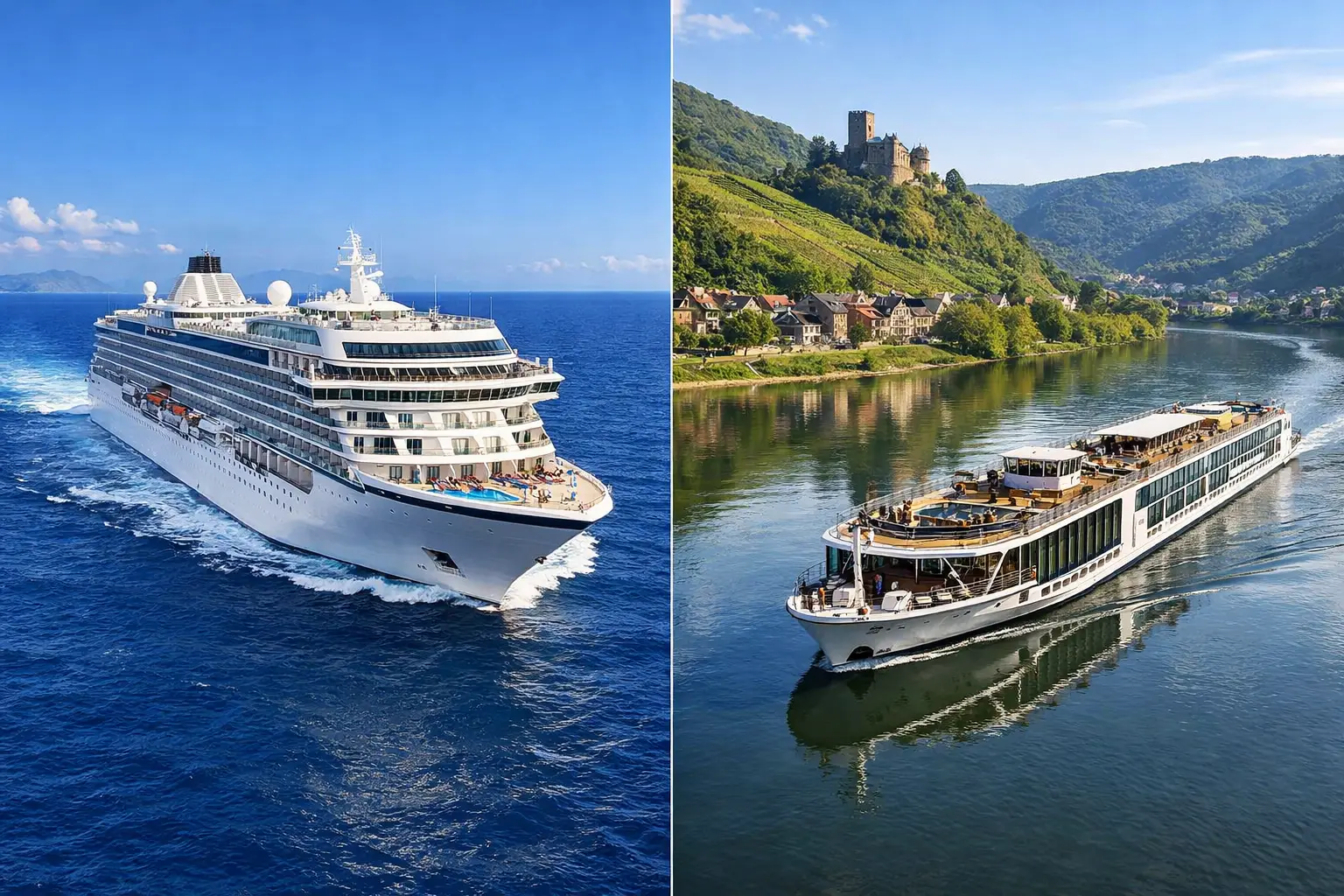
Ocean cruises sail across open water, using purpose-built ships that can carry anywhere from a few hundred to several thousand guests. Their itineraries may cover the Norwegian fjords, Mediterranean, Caribbean, Canary Islands, Alaska or world regions further afield. Distances between ports can be considerable, which often creates sea days.
River cruises operate on inland waterways such as the Danube, Rhine, Douro, Rhône, Seine and Mekong. Ships are much smaller, usually carrying around 100 to 200 guests, because they must pass through locks and beneath bridges. Ports are often closely spaced, and ships can commonly berth near the centre of a town or city.
Neither style is automatically more luxurious, more relaxing or better value. They simply deliver a different rhythm. An ocean cruise can feel like a floating resort with destinations included. A river cruise is often closer to a touring holiday, with the ship acting as a comfortable and highly convenient hotel.
Ship size, facilities and the onboard experience
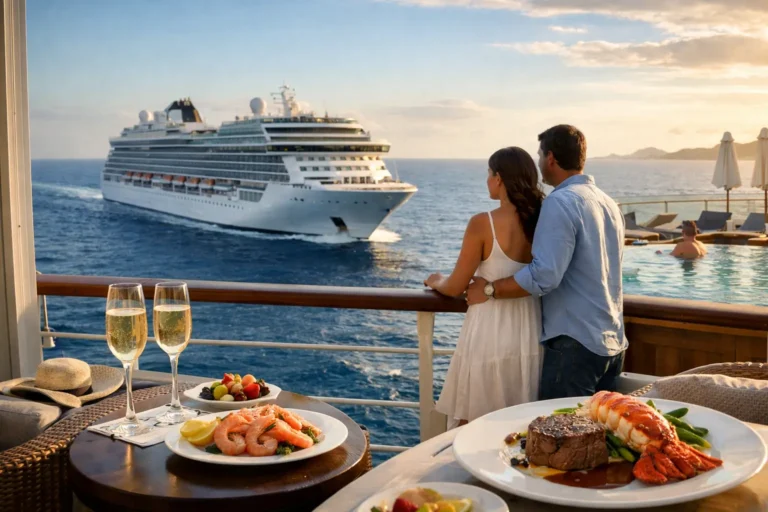
The biggest contrast is what happens on board. On an ocean ship, particularly one operated by a mainstream line, you may find several restaurants, theatres, lounges, pools, spas, fitness facilities, shops and daytime activities. Larger vessels can also offer cinemas, water slides, climbing walls, casinos and a wide choice of bars.
This choice is valuable for travellers who like to shape each day as they go. A sea day can be as busy or as quiet as you wish: attend a talk, book a treatment, sit with a book, enjoy afternoon tea or watch a show in the evening. It also suits multigenerational groups, as there is usually something for different ages and interests.
River ships are more intimate. Facilities tend to centre on a main lounge, restaurant, sun deck and sometimes a small fitness area, spa room or plunge pool. Entertainment is generally low-key, perhaps a local musician, a guest speaker or a themed evening linked to the itinerary. The appeal is conversation, scenery and a more settled atmosphere rather than a packed programme.
Cabins are another practical point. Ocean ships have a wider range, from inside cabins to large suites with balconies. River ship cabins are typically compact, and the lowest deck may have fixed high windows rather than a balcony. Upper-deck cabins with French balconies or full balconies cost more, but can be particularly enjoyable on scenic sailing days.
Destinations and time ashore
Ocean cruising gives you breadth. A single itinerary may combine several countries and a mix of cities, islands and beach resorts. However, ships may dock in commercial ports that are some distance from the headline attraction. You might need a shuttle, taxi or organised excursion before your visit properly begins.
River cruising usually offers more immediate access. In many ports, you can walk off the ship and be in the historic centre within minutes. That makes independent exploring feel straightforward, particularly for guests who prefer not to manage unfamiliar transport arrangements. It can also be easier to return to the ship for lunch or a short rest between outings.
There is a trade-off. River itineraries focus on towns, cities, wine regions and cultural sites along navigable waterways. They do not offer the same scope for beach days, remote islands or long stretches of open sea. On an ocean cruise, the journey itself can be part of the adventure, especially on routes through fjords, coastlines and archipelagos.
Excursions matter on both. River cruise fares often include selected guided tours, while ocean cruise excursions are more commonly an additional cost. Always check what is included in the specific fare, as inclusions vary by cruise line and fare type.
Dining, drinks and what is included
River cruises frequently include more in the headline price. Full-board dining, complimentary wine, beer and soft drinks with meals, Wi-Fi, tips and excursions may all be covered, depending on the line. This can make budgeting simpler, although the initial fare may appear higher.
Ocean cruises often include accommodation, main dining, selected casual dining and entertainment, but extras can build up. Drinks packages, speciality restaurants, gratuities, shore excursions, Wi-Fi, spa treatments and some room-service items may cost extra. There are exceptions, particularly among premium and luxury cruise lines, so compare the total expected holiday cost rather than the lead-in fare alone.
Dining on an ocean ship usually provides more choice, from formal dining rooms to buffet venues and bookable speciality restaurants. River dining is more focused, often with one main restaurant and menus influenced by the regions being visited. For many guests, the smaller setting feels sociable; for others, it can feel limiting over a longer voyage.
Dress codes and packing considerations
An ocean cruise generally requires more varied packing. You may need swimwear and pool cover-ups, comfortable daytime clothing, walking shoes, layers for breezy decks, and smarter evening outfits. Some lines have formal or gala nights, while others follow a relaxed smart-casual approach. Checking your cruise line’s dress code before you pack avoids both overpacking and last-minute uncertainty.
River cruises are usually casual by day and smart casual in the evening. Formalwear is rarely needed. The key is practical layering, because weather can change quickly on deck and excursions often involve cobbled streets, hills or uneven paths. Comfortable, supportive shoes are one of the most useful items you can bring.
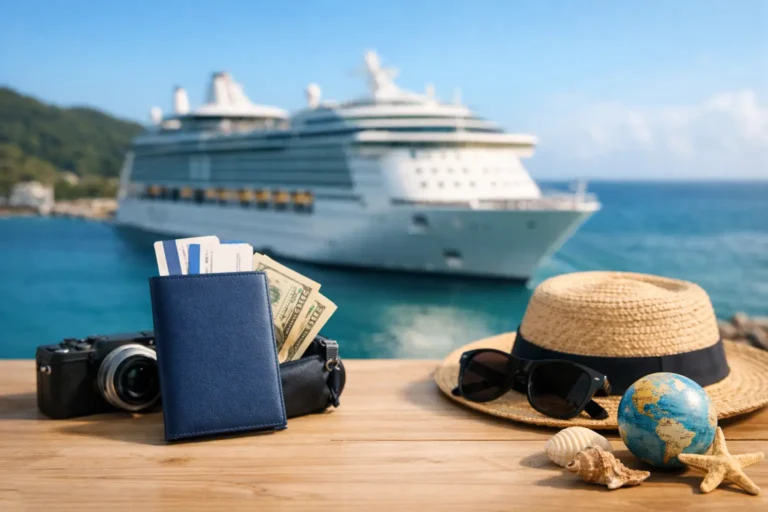
Do not assume a river itinerary means no warm-weather essentials. On the Danube or Douro in summer, a hat, sunglasses, sunscreen and a refillable water bottle are just as useful as they would be on an ocean sailing. Conversely, an ocean cruise to northern Europe may call for a waterproof jacket, even in summer.
Who tends to prefer each cruise style?
Ocean cruising often works well for first-time cruisers who want plenty of facilities and familiar flexibility. It is also a strong choice for couples, families and groups with different interests. If one person enjoys excursions while another is happy by the pool, a larger ship gives both travellers room to enjoy the day.
River cruising often appeals to couples, friends and mature travellers who value destination immersion, a quieter ship and an organised touring experience. The smaller guest numbers can make it easier to get to know fellow passengers, while the central berths reduce the effort of getting into town.
Mobility is worth considering carefully. River ships may have fewer lifts, narrow gangways, multiple steps and occasional changes to the daily schedule because of water levels or lock timings. Ocean ships are generally easier to navigate internally, but long piers, large terminals and busy excursion days can still involve substantial walking. If mobility is a concern, discuss your needs with the cruise line before booking rather than relying on general assumptions.
Travel logistics from the UK
An ocean cruise can be especially convenient if you choose a no-fly sailing from Southampton, Dover or another UK port. This removes airport luggage limits and allows you to bring the car or arrange a straightforward transfer. It is an appealing option if you prefer to avoid the disruption of flying before a holiday.
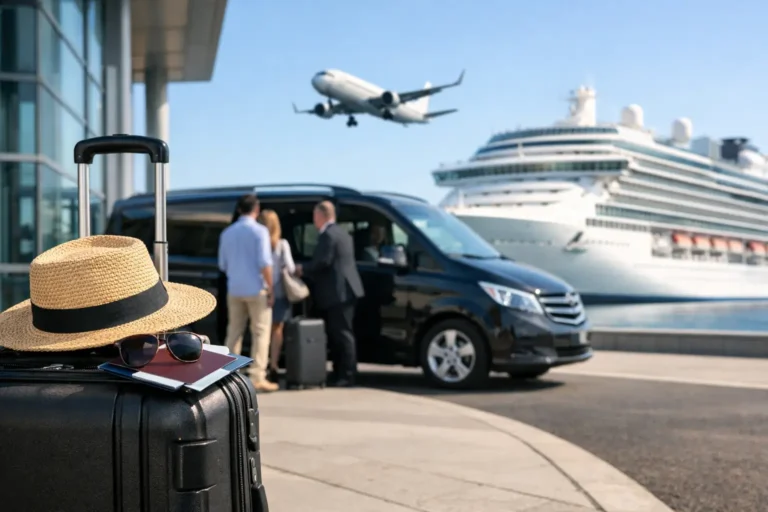
Most European river cruises begin with a flight or train journey to the embarkation city, although some itineraries can be joined by rail. Build in enough time before embarkation, particularly if you are arranging travel independently. An overnight hotel before the cruise can reduce stress if flights are delayed and gives you a calmer start.
For either cruise type, keep essential medication, travel documents, valuables and a change of clothes in your hand luggage. Checked bags may not reach your cabin immediately, especially on larger ocean ships.
Make the choice that fits your holiday
Choose an ocean cruise if the ship experience is an important part of your holiday, you like a broad choice of restaurants and entertainment, or you want a wide-ranging itinerary. Choose a river cruise if you prefer smaller-scale sailing, culturally focused ports and the ease of stepping into a destination soon after breakfast.
The best cruise is the one that makes the practical details feel manageable before you leave home. Think about how you genuinely like to spend a holiday day, then choose the ship and itinerary that lets you do more of exactly that.
Frequently Asked Questions
Additional Resources

The Essential Cruise & Travel Shop
Disclaimer
The Essential Cruise Shop Blog provides this guide for informational purposes and is not a travel agency. The information contained in this guide is for general guidance only. While we do our best to ensure the information is up-to-date and correct, we make no representations or warranties of any kind about its completeness or accuracy.
Cruise line policies, itineraries, and loyalty programs are subject to change without notice. We strongly recommend that you verify all details directly with your cruise line or a certified travel agent before making any bookings or financial commitments.
We cannot be held liable for any financial loss due to the reader’s failure to follow the above advice.
Affiliate Disclosure
Many of the links are affiliate links, The Essential Cruise Shop Blog may receive a commission from qualifying clicks, orders or bookings. This income helps support our efforts to provide and improve our site and turn it into a one stop resource for travellers with a bias towards cruising.