Praia Cape Verde Cruise Port Guide: Essential Visitor Tips
Introduction
When your ship arrives at Praia Cape Verde Cruise Port, arriving at an Atlantic island destination can prompt questions regarding local transport, safety, and sightseeing. Santiago Island provides a distinct cultural setting, blending Portuguese heritage with West African traditions. Having clear, practical details before leaving your ship ensures an enjoyable day exploring the capital city and its surrounding landscapes.
Whether your itinerary includes historical landmarks, coastal paths, or vibrant street culture, understanding local logistics helps you plan your day with confidence. This guide outlines everything you need to know about navigating the harbour, selecting reliable transport, discovering local heritage, and managing practical arrangements ashore.
What to Expect When Visiting This Port of Call
The Cape Verde archipelago consists of ten islands ranging from flat terrain to steep volcanic peaks, situated in the Atlantic Ocean approximately 570 kilometres (350 miles) west of Senegal. The port is located on Santiago, which is the largest island in the archipelago. Visitors will find a spirited street atmosphere rather than the high-rise commercial developments typical of some other regional capitals, showcasing a mix of sun, beaches, mountain hiking trails, scenic landscapes, and rich local customs.
While Portuguese is an official language, local residents prioritise their native Creole language, Kriolu, with Portuguese Creole widely spoken throughout the island. Music forms a central part of the cultural identity, characterized by melancholy rhythms combined with danceable African beats.
For communication, the archipelago maintains solid Wi-Fi coverage across its islands. However, infrastructure can experience occasional disruptions; regular power outages occur across the country that can impact public transport, telecommunications, banking, and medical services. Good healthcare facilities are primarily restricted to major urban centres such as the capital city and Mindelo, and the nation lacks sea rescue and air evacuation services, making inter-island medical transport limited. Specific call durations vary depending on your itinerary, so check your cruise line’s daily programme for exact arrival and all-aboard times.
Harbour Facilities and Terminal Amenities
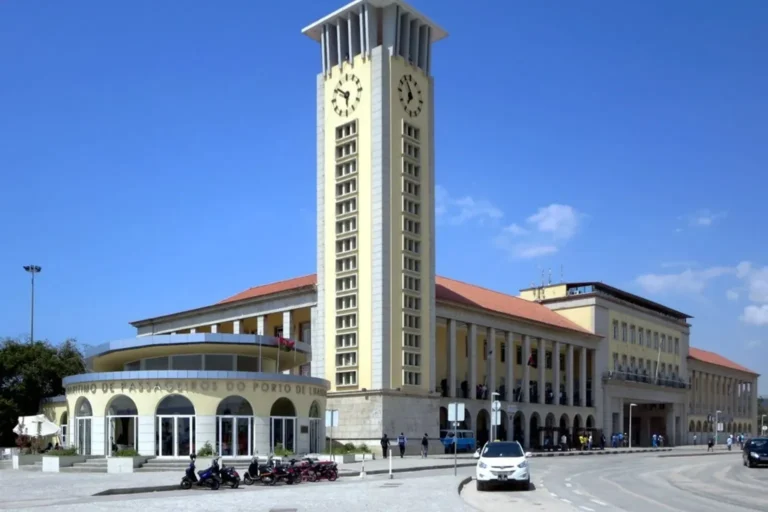
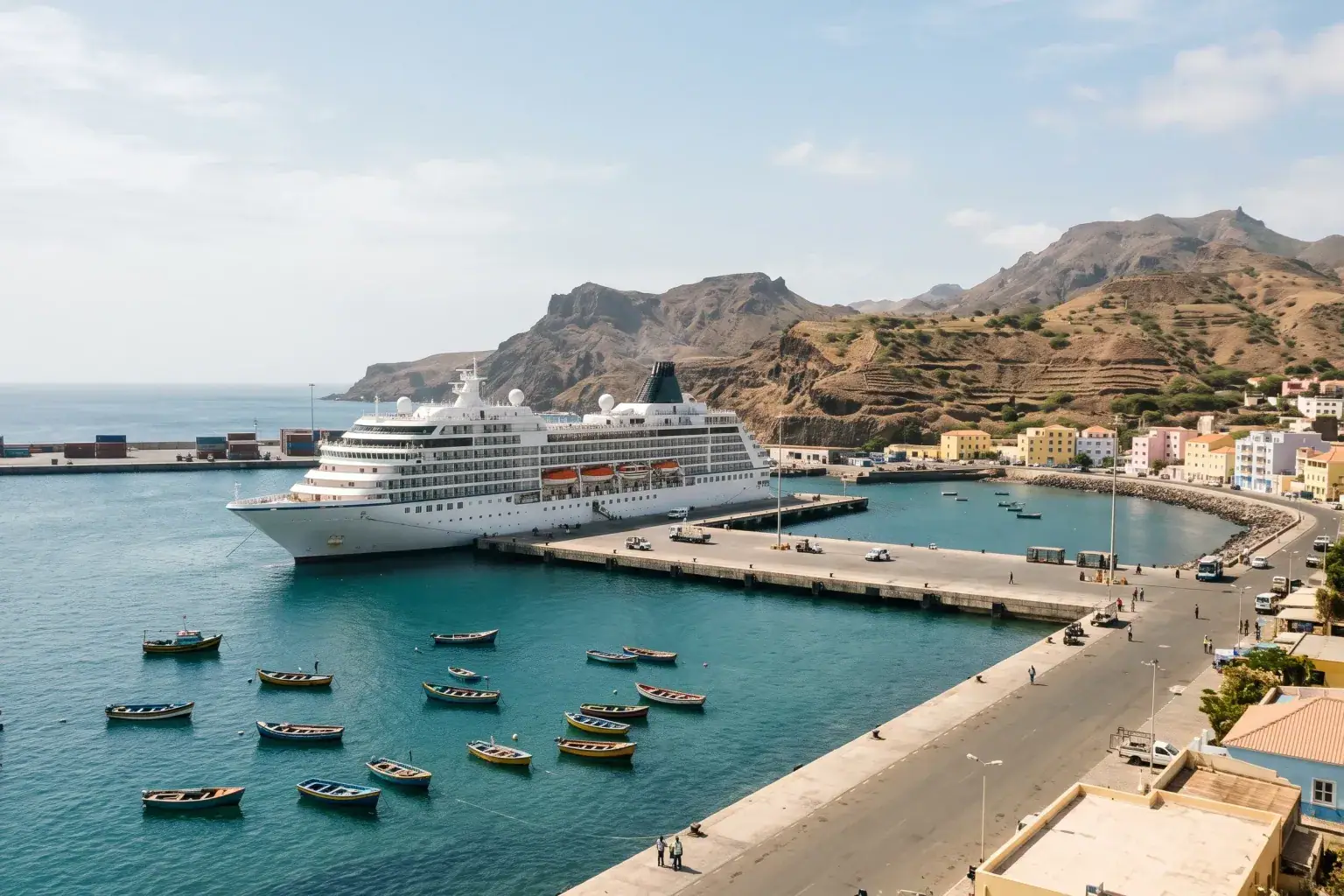
Ships visiting the southern coast of the island dock alongside or anchor at the harbour. The port features a 355-metre wharf capable of accommodating cruise vessels directly alongside the quay. The downtown area sits within a short walking distance from the dock, making initial orientation straightforward upon stepping ashore.
Inside the passenger terminal building, travellers have access to basic amenities including a restaurant, a bar, and a duty-free shop. There are no automated teller machines (ATMs) inside the terminal building itself; however, cash machines are located immediately outside the port gates and at banking branches further downtown.
Public connectivity inside the facility is limited, as the terminal lacks free public Wi-Fi. Passengers seeking internet access can purchase a CVMovel SIM card for cellular data at the port area or visit downtown establishments such as Café Sofia to connect.
Getting Around the Town and Island
While the downtown area is situated within a short walking distance from the berth, walking between different city districts is not recommended due to steep hills and loose cobblestone sidewalks. Intercity bus services are available, but public transportation options such as buses and commuter vans can be unreliable, experience frequent accidents, and may prove unsafe due to poor driving practices.
Taxis are widely available across major cities and provide a convenient way to navigate the local area. Officially registered vehicles are tan or cream-coloured, and passengers should only hire authorized cabs from designated ranks or request a booking through their accommodation. Fares should be negotiated in advance, and passengers ought to ensure the driver does not pick up additional passengers along the way. Alternatively, travellers can use Taxi Seguro, a local taxi-booking mobile application that displays the fare, driver, and vehicle details before confirming rides, accepting both cash and electronic payments. Typical daytime taxi fares between opposite ends of the city generally do not exceed 1500 escudos during the day or 1800 escudos at night. Please note that traffic conditions, weather, and road maintenance can alter transfer times, so build a sensible buffer into your plans.
For travel across longer island routes, shared local aluguer minibuses transport residents and visitors, such as on journeys to northern coastal towns. For shorter local trips around the island, shared Hilux pickup trucks are also commonly used. If considering independent driving, visitors can drive using a valid UK photocard driving licence for up to six months, or an International Driving Permit (IDP) alongside a paper licence. Car rental costs around 4500 escudos per day, which includes tax, insurance, and the first 100 kilometres, with additional distance charged at 0.10 escudos per kilometre.
Rental agencies often enforce strict requirements, including a minimum of one year of driving experience, a higher minimum age limit, and a mandatory IDP. Island road conditions vary from narrow cobblestone routes to unpaved dirt roads with potholes, and streetlights are frequently affected by power outages. Local drivers can sometimes be aggressive or reckless, occasionally parking in the middle of the road to block traffic. If choosing to ride a scooter or quad bike instead, wearing a crash helmet is a legal requirement.
Historic Sites, Viewpoints, and Local Markets
The historic central plateau district forms the heart of the city, featuring notable colonial architecture and civic landmarks. Key sights include the neoclassicist Town Hall built with a central square tower that remains in active use, the colonial National Archives, the recently renovated Presidential Palace, and several faded Art Deco structures. Within the old town, Praça Alexandre Albuquerque features four corners marked by playing card suits to honour a former governor who enjoyed card games. Nearby, the Cathedral (Igreja de Nossa Senhora da Graça) stands as a classicist structure built in 1902, while the Museu Etnográfico showcases the history and heritage of the local population through everyday historic objects.
At the southern edge of the plateau, the Diogo Gomes monument provides broad scenic views overlooking Praia do Gamboa and Ilhéu de Santa Maria. Further inland, Cruz do Papa presents a large landmark cross offering elevated vistas over the coastline. For coastal relaxation, Quebra Canela Beach sits within walking distance of the harbour, lined with waterfront cafés. Active visitors can hike up to the Maria Pia lighthouse for expansive views across the surrounding coastline, or visit the Natural Pools of Cuba to observe sea swimming set against dramatic black volcanic cliffs.
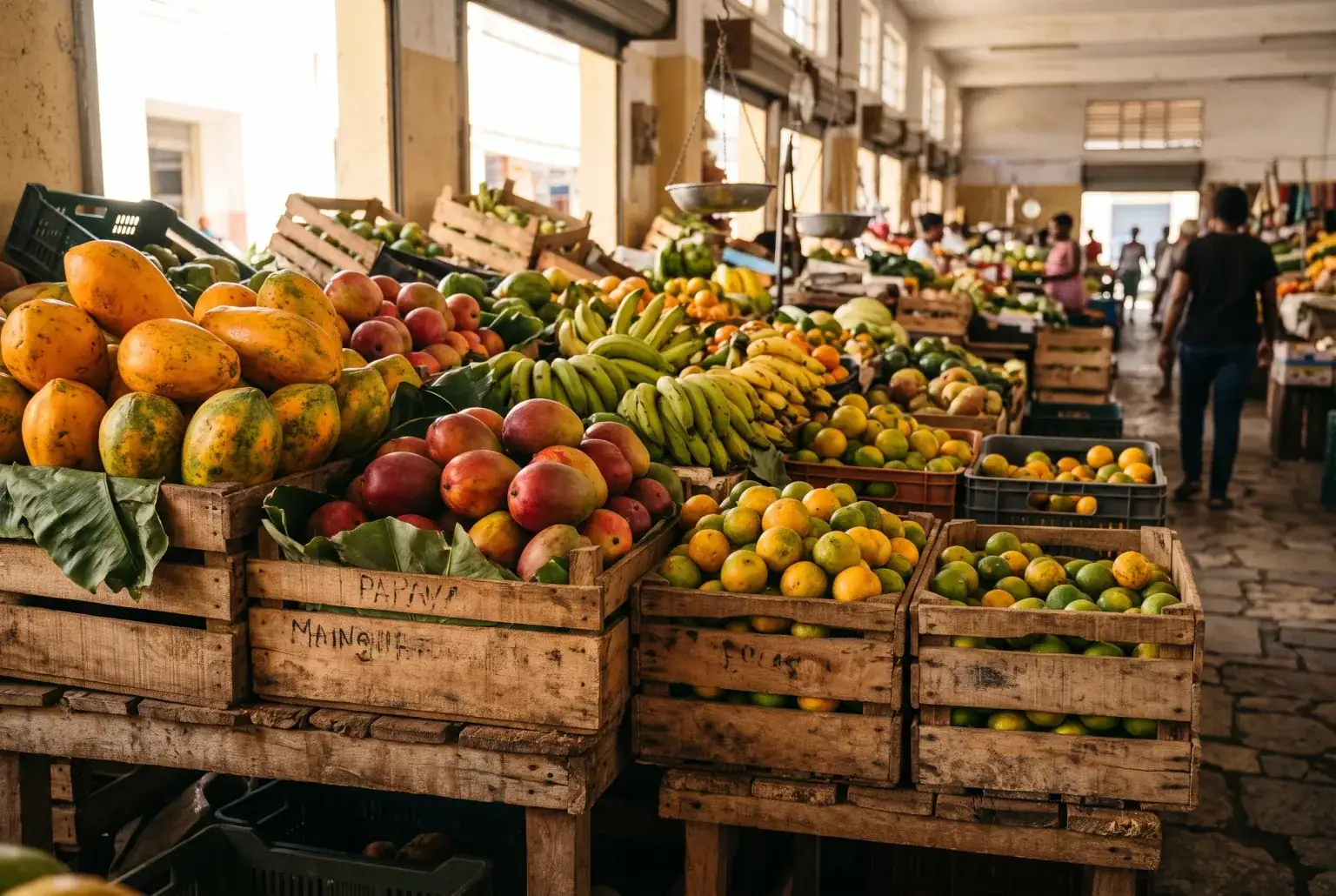
Shopping and market exploration are central to the urban experience. Mercado Municipal (also known as Mercado Central) located on Avenida Amílcar Cabral sells fresh food items and local goods starting early in the morning, though it can become very crowded. Another option near the port is Mercado de Sucupira, a bustling market selling fresh produce and handmade crafts.
When visiting local beaches, travellers must exercise extreme caution. Tides and currents around the island are very strong, with unpredictable waves and powerful undertows that cause multiple drownings every year. Swimmers should strictly use beaches with active lifeguards and adhere to flag warnings: red flags mean danger (do not enter the water), yellow flags mean caution (wading permitted but no swimming), and green flags mean conditions are safe for swimming.
Day Trips and Excursions Across Santiago
One of the most popular excursion destinations is the historic former Portuguese capital of Cidade Velha, located approximately 10 kilometres (6 miles) west of the harbour. Allow about twenty to thirty minutes for the drive, keeping in mind that local road conditions can affect travel times. The capital was relocated to its current site in 1770 after the former capital was rendered insecure due to pirate attacks. Today, Cidade Velha features remarkable UNESCO-listed landmarks, including the ruins of a 14th-century Jesuit college, a grand cathedral, and Igreja de Nossa Senhora do Rosário, which is regarded as the oldest colonial church in the world. Dominating the hills above the town is Fort Real de Sao Filipe, built in 1590 after the settlement was captured by Sir Francis Drake.
For nature enthusiasts, Santiago Island features a mountainous interior defined by two major mountain ranges, reaching its peak at Pico d’Antonia at 1,392 metres (4,567 feet). Excursions into the interior can include visits to the Serra Malagueta Natural Park, which offers scenic hiking trails overlooking mountain landscapes and small rural villages such as Rincão. Another natural highlight is the National Botanical Garden situated in São Jorge dos Órgãos, housing hundreds of endemic and exotic plant species.
On the northern coast, the hillside port town of Tarrafal offers a contrast of scenery, known for its fishing tradition, a lush green valley with coconut palms, and a white sand beach set along a blue bay. The town is also home to the Museum of Resistance, which operated as a political prison for anti-colonial dissidents from 1936 until the 1970s. When deciding between organised ship excursions or independent tours, weigh your personal preferences for structure against independent exploration, checking details directly with your cruise line or local tour operators.
Regional Culinary Tastes and Souvenir Shopping
Sampling local gastronomy allows visitors to connect directly with island traditions. The agricultural region of the island produces a variety of crops including corn, sugar cane, coffee, bananas, and mangoes, which feature heavily in local dishes and beverages. To enjoy regional dishes alongside live entertainment, head to venues such as Quintal da Música, where guests can sample authentic Cape Verdean cuisine while watching performances of traditional funaná and batuko music.
When looking for authentic souvenirs to bring home in your hand luggage, local markets offer a variety of regional products. Patterned, colourful textiles crafted in the island’s countryside are particularly popular purchases, reflecting traditional weaving techniques and vibrant island aesthetics.
Currency, Personal Safety, and Local Regulations
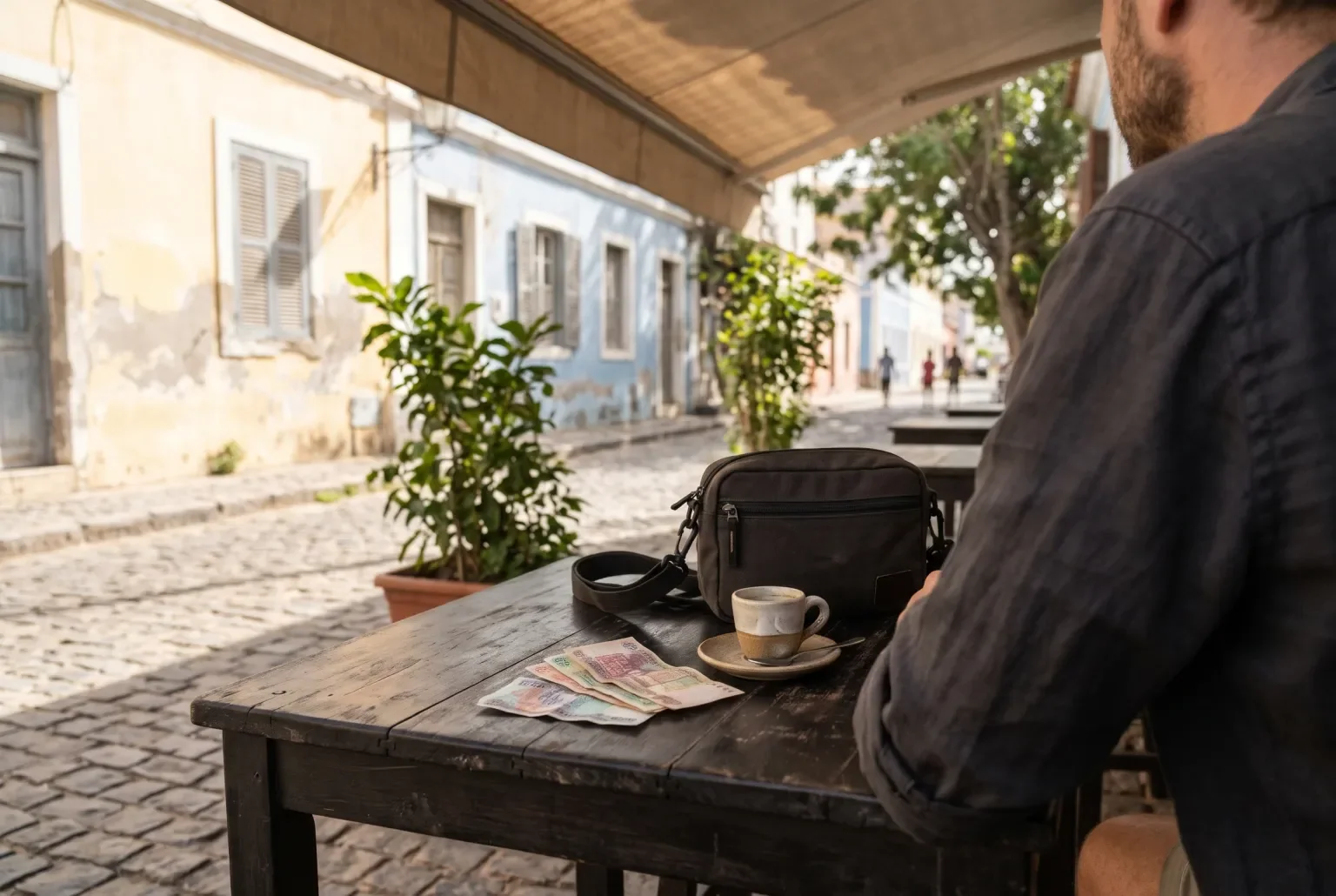
Understanding local payment practices helps avoid hassle while ashore. While local currency is used for most transactions, some hotels and restaurants convert US dollars and Euros into local currency, and selected establishments accept major credit cards.
Overall crime levels across the country are relatively low, but incidents such as pickpocketing, bag snatching, burglary, and muggings do occur, particularly in urban centres and popular tourist areas. To protect your belongings, keep items within sight at bars and restaurants, avoid carrying large amounts of cash or wearing expensive jewellery, and store high-value items securely. Be aware that thieves and groups of children sometimes work together to distract tourists in order to steal mobile phones or camera gear. Avoid walking alone on hillside staircases connecting different neighbourhoods, as these isolated pathways are known locations for opportunistic crime. Because street lighting is limited after dark, avoid isolated areas and walk in pairs or larger groups.
Pay close attention to safety rules and local laws during your port day. Strict penalties apply for the possession, use, or trafficking of illegal drugs, resulting in heavy fines and lengthy prison sentences. If planning coastal excursions involving inter-island boat transit, note that sea conditions around the archipelago can be hazardous and boat travel to nearby islands like Brava and Fogo is frequently disrupted. For emergency assistance while ashore, contact the police at 132, the fire brigade at 131, the Polícia Judiciária at 800 11 34, or dial 130 for an ambulance to access major medical facilities such as Hospital Agostinho Neto.
Weather Considerations and Daypack Essentials
During the main cruise season spanning from November to June, the island experiences pleasant, warm temperatures ranging between 24°C and 28°C (75–82°F), accompanied by low humidity and minimal rainfall. However, seasonal shifts bring different conditions. The rainy season runs from mid-August to mid-October, when heavy downpours can cause localized flooding and landslides. August is the wettest month, averaging eight rainy days and nearly 100 mm of rainfall. Additionally, dry sandstorms known locally as ‘bruma seca’ occur between December and February, which can occasionally disrupt outdoor plans when intense.
When preparing your daypack, dress comfortably for warm weather while observing local etiquette. Visitors should wear modest clothing when entering churches or religious sites, and always ask for permission before taking photographs during Funaná music performances.
Health and medication regulations require careful preparation. Foreign travellers have previously been arrested in Cape Verde for carrying unlabelled pills, so it is essential to verify the legality of any medication before travelling. Always carry prescription medications in their original labelled containers, accompanied by a clear copy of your official prescription.
Accessibility Considerations and Passenger Suitability
This port of call is ideal for travellers who appreciate authentic cultural heritage, vibrant local music, historical landmarks, and varied volcanic landscapes. Because the town maintains a traditional atmosphere rather than manicured resort infrastructure, visitors looking for genuine cultural immersion will find plenty to enjoy.
However, passengers with mobility challenges should plan their day carefully. Local minibuses lack accessibility features and are often overcrowded, while wheelchair-adapted transport vans are rare in the city. Potential private booking providers for accessible transit include Taxiyo, Travelocapeverde, Kiwitaxi, and BookATaxi26Group, though services must be arranged well in advance. Standard taxis are widely available, but vehicles equipped with ramps or wider doors are not readily accessible without prior booking through specialized tour operators.
For travellers looking to hire a car independently, renting a vehicle offers flexibility, provided you confirm in advance that hand controls or ramp options are available. If your travel involves domestic flights within the archipelago, airports across the islands provide mobility equipment and assistance when notified at least 48 hours prior to travel.
Frequently Asked Questions
Additional Resources

The Essential Cruise & Travel Shop

Disclaimer
The Essential Cruise Shop Blog provides this guide for informational purposes and is not a travel agency. The information contained in this guide is for general guidance only. While we do our best to ensure the information is up-to-date and correct, we make no representations or warranties of any kind about its completeness or accuracy.
Cruise line policies, itineraries, and loyalty programs are subject to change without notice. We strongly recommend that you verify all details directly with your cruise line or a certified travel agent before making any bookings or financial commitments.
We cannot be held liable for any financial loss due to the reader’s failure to follow the above advice.
Affiliate Disclosure
Many of the links are affiliate links, The Essential Cruise Shop Blog may receive a commission from qualifying clicks, orders or bookings. This income helps support our efforts to provide and improve our site and turn it into a one stop resource for travellers with a bias towards cruising.