
Hiroshima Cruise Port Guide: Essential Visitor Tips
Introduction
Arriving in a major Japanese destination during a voyage requires clear planning and practical information to ensure your day ashore runs smoothly. Hiroshima is a deeply significant and visually striking port of call, but navigating its berth locations and transit connections can raise questions for visiting travellers.
Whether you are embarking on a regional fly-cruise itinerary or visiting as part of a wider ocean voyage, understanding the local transport links will help you maximise your time. From berth facilities to travel times into the city centre, sensible preparation is key to a relaxing visit.
This Hiroshima Cruise Port Guide provides straightforward advice on port logistics, local transport options, and regional highlights, ensuring you can explore with complete reassurance and ease.
Quick Overview for Cruise Passengers
Hiroshima Port is situated on the Seto Inland Sea, an area widely known for its picturesque coastlines and surrounding islands. Arriving by sea offers a memorable perspective on the region before you step ashore to explore.
The port serves as an important maritime gateway for both regional transit and international ocean cruise ships. Having a clear grasp of berth facilities and arrival logistics before stepping off the ship allows you to plan your day efficiently.
Always review your daily programme on embarkation day or the evening prior to arrival to confirm scheduled berth times, shuttle arrangements, and shipboard return deadlines.
Where Do Cruise Ships Dock in Hiroshima?
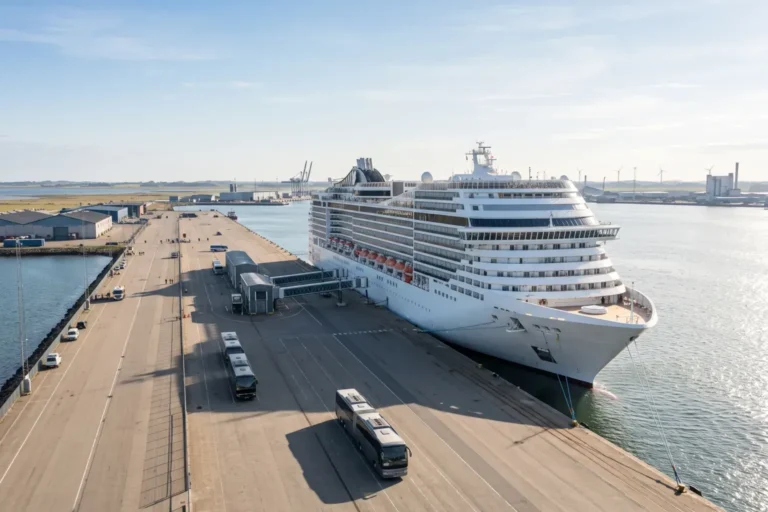
Depending on the size and tonnage of your ship, your vessel will dock at one of two primary commercial wharf facilities. Each facility is tailored to accommodate specific ship dimensions and visitor needs.
The Ujina Foreign Trade Wharf measures 280 metres in length and 10 metres in depth. An information centre beside the wharf provides visiting passengers with foreign language tourist assistance and free Wi-Fi. In addition, Hiroshima Port offers currency exchange services and shuttle buses directly at the port area for convenience.
For larger ocean vessels, Itsukaichi Wharf features a 430-metre length and 12-metre depth specifically designed to accommodate 100,000-ton class passenger ships. Cruisers should check official cruise line documentation or inquire at the onboard shore excursions desk to verify which berth your ship will occupy.
Is Hiroshima Walkable from the Cruise Ship?
While the port quayside itself is easy to navigate, the primary commercial districts and major city attractions are located further inland. Consequently, walking into the main city centre directly from your ship berth is generally not practical for a standard day ashore.
For travellers comfortable with a short stroll, the Hiroshima Electric Railway Kaigan-dori Station is a 15-minute walk from the port area.
If you prefer to conserve your energy for sightseeing, relying on organised port shuttle buses or local taxis is recommended to reach central destinations quickly.
Getting Between the Cruise Port, Airport and City Centre
Connecting between arrival hubs, city landmarks, and your ship berth is straightforward when you allow appropriate travel buffers. Local road networks and public transit lines link the waterfront to regional travel centres.
JR Hiroshima Station is located about 30 minutes away from the port by car, streetcar, or bus. Keep in mind that urban traffic, passenger volume, and weather conditions can affect exact travel times, so building extra time into your schedule is always sensible.
For fly-cruise passengers flying into the region, Hiroshima Airport is the nearest major airport, reachable in about 50 minutes by car or bus. Ensure your travel plans account for potential motorway delays when journeying to or from the airport on embarkation day.
Transport Options from the Cruise Port
A variety of transit modes are available at the quayside to help visitors reach their chosen destinations. Choosing the right option depends on your personal mobility preferences, budget, and independent plans.
Shuttle buses are offered at Hiroshima Port to transfer visitors efficiently from the quay towards main transport hubs.
Things to Do Near the Cruise Port
While the immediate port area is primarily commercial and maritime, the historic and cultural landmarks of the region are easily accessible via local transport.
One of the region’s most famous landmarks is the Atomic Bomb Dome. This notable historic structure was originally built in 1915 to display and sell commercial products from Hiroshima prefecture. Visiting this site offers profound insight into regional and modern world history.
In addition to historic sites, spending time along the waterfront provides lovely views across the Seto Inland Sea and its surrounding islands, making for a serene start or end to your day ashore.
Best Shore Excursion Ideas from Hiroshima
Cruise lines typically offer structured shore excursions that combine major historical sites with seamless port transfers. These organised tours provide peace of mind regarding return timings and commentary from professional local guides.
Popular excursion itineraries often focus on key historic monuments, architectural landmarks, and coastal scenic drives along the Seto Inland Sea.
When choosing an excursion, verify whether the tour includes dedicated coach transfers directly from Ujina Foreign Trade Wharf or Itsukaichi Wharf, and confirm what walking levels are involved.
Can You Explore Hiroshima Without a Cruise Excursion?
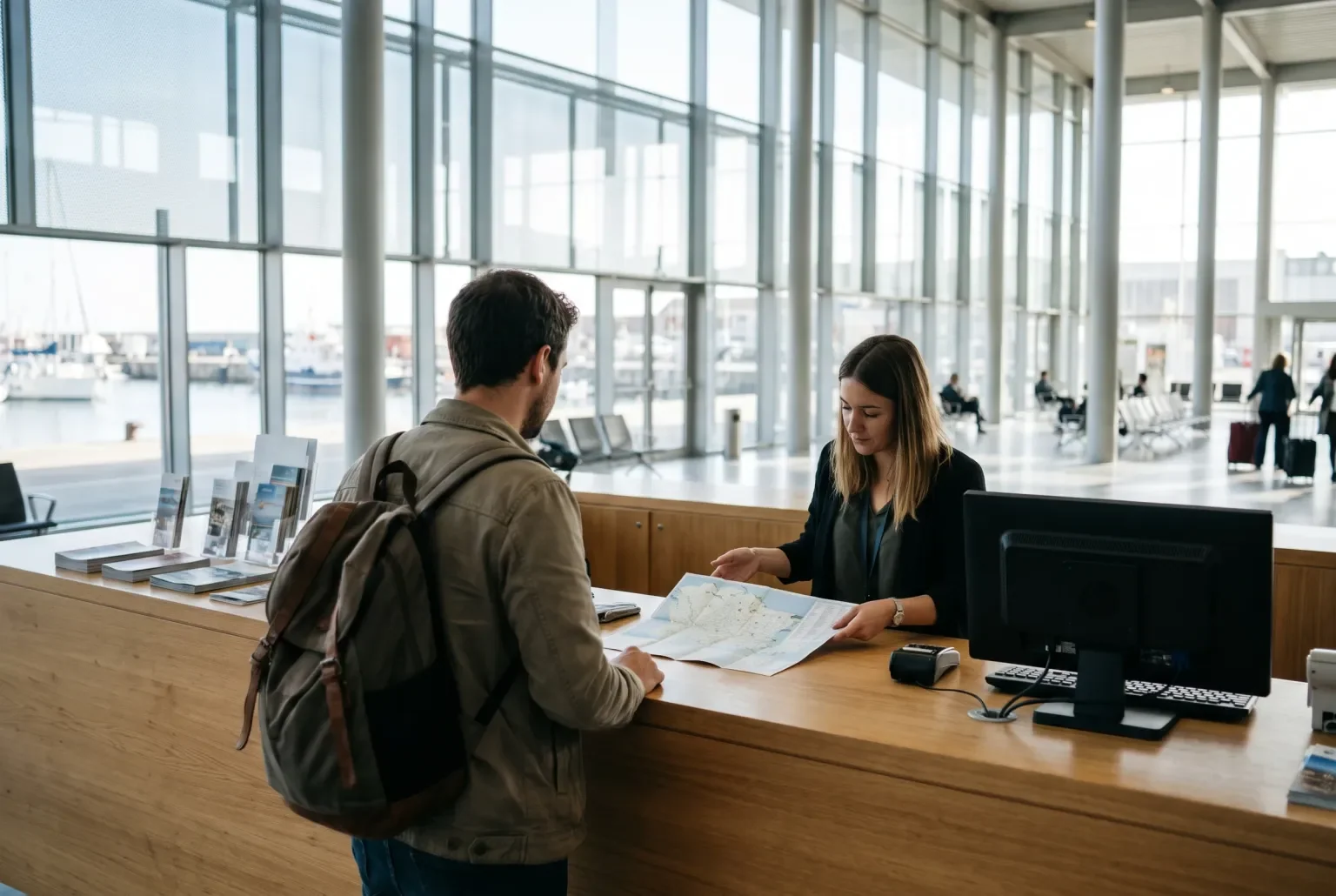
Exploring independently is straightforward thanks to visitor-friendly port services. The presence of an information centre beside the wharf offering foreign language tourist assistance and free Wi-Fi makes self-guided travel very accessible.
Because Hiroshima Port offers currency exchange services right at the berth area, obtaining local Japanese Yen for streetcar fares, small purchases, and admission tickets is simple upon disembarking.
Independent travellers should simply keep track of local transit schedules and allow a generous travel window when returning to the ship by streetcar, taxi, or bus.
Suggested Itineraries for Cruise Passengers
To make the most of a single day in port, structuring your day into logical morning and afternoon blocks helps prevent feeling rushed.
A sensible morning itinerary starts with disembarking early and taking a streetcar or taxi from the port area to central historic landmarks, such as the Atomic Bomb Dome, originally constructed in 1915.
In the afternoon, enjoy a leisurely lunch featuring regional cuisine before exploring shopping arcades. Ensure you begin your return journey to the ship well before the final all-aboard time.
Where to Stay Before or After a Cruise from Hiroshima
If your voyage begins or ends in the city, booking hotel accommodation near major transit hubs ensures a hassle-free transition between land and ship.
Staying near JR Hiroshima Station puts you approximately 30 minutes from the port by car, streetcar, or bus, offering direct access to bullet trains and city amenities.
Alternatively, if you have an early flight, hotels situated near Hiroshima Airport (reachable in about 50 minutes by car or bus from the waterfront) provide convenient access for pre-flight rests.
Food and Drink Near the Port
Sampling regional delicacies is a highlights of visiting Japanese ports of call. Hiroshima is nationally recognised for its large and flavourful oysters, which are harvested locally along the coast.
Visitors can sample fresh oysters prepared in various styles at local restaurants and dining spots throughout the city and near major transit hubs.
If you plan to return to your ship for evening dining, remember to check any dress guidelines noted in your daily programme.
Shopping Near the Cruise Port
For passengers seeking souvenirs, local crafts, or fashion, the city features major retail districts accessible via short public transport journeys from the port.
The Hiroshima Hondori Shopping Arcade is a major shopping destination in the Chugoku and Shikoku regions, offering a vibrant, covered pedestrian street filled with shops, boutiques, and local stalls.
Utilise the currency exchange services available at Hiroshima Port upon arrival so you have local cash on hand for boutique purchases and street food treats.
Accessibility and Mobility Tips
Navigating the port and city with limited mobility requires early planning, though local facilities are generally modern and well-maintained.
At the quayside information centre beside the wharf, staff provide foreign language tourist assistance and free Wi-Fi, allowing you to ask for accessible transit advice or check low-floor streetcar schedules.
Passengers using wheelchairs or mobility scooters should consult their cruise line before departure to confirm berth transfer arrangements and coach accessibility for shore excursions.
Embarkation Day Tips for Hiroshima
If you are embarking your ship in Hiroshima, proper organisation of your personal items will make the boarding process swift and effortless.
Keep your passport, embarkation paperwork, essential medication, and change of clothes in your hand luggage so you have immediate access to them before your checked luggage arrives at your cabin.
Plan your airport or hotel transfer to arrive within your designated check-in window. Remember that transfers from Hiroshima Airport take about 50 minutes by car or bus, while transfers from JR Hiroshima Station take about 30 minutes, subject to traffic.
Disembarkation Day Tips for Hiroshima
Concluding your cruise involves settling shipboard accounts and managing your departure schedule thoughtfully.
Review your final onboard account details the evening before disembarkation to settle any onboard charges without queueing at guest services in the morning.
Allow generous buffer times when booking onward flights or trains. Transfers to Hiroshima Airport take around 50 minutes by road, while trips to JR Hiroshima Station take approximately 30 minutes.
Safety Tips for Cruise Passengers
Japan is widely regarded as an exceptionally safe travel destination, but maintaining sensible personal precautions is always recommended during days ashore.
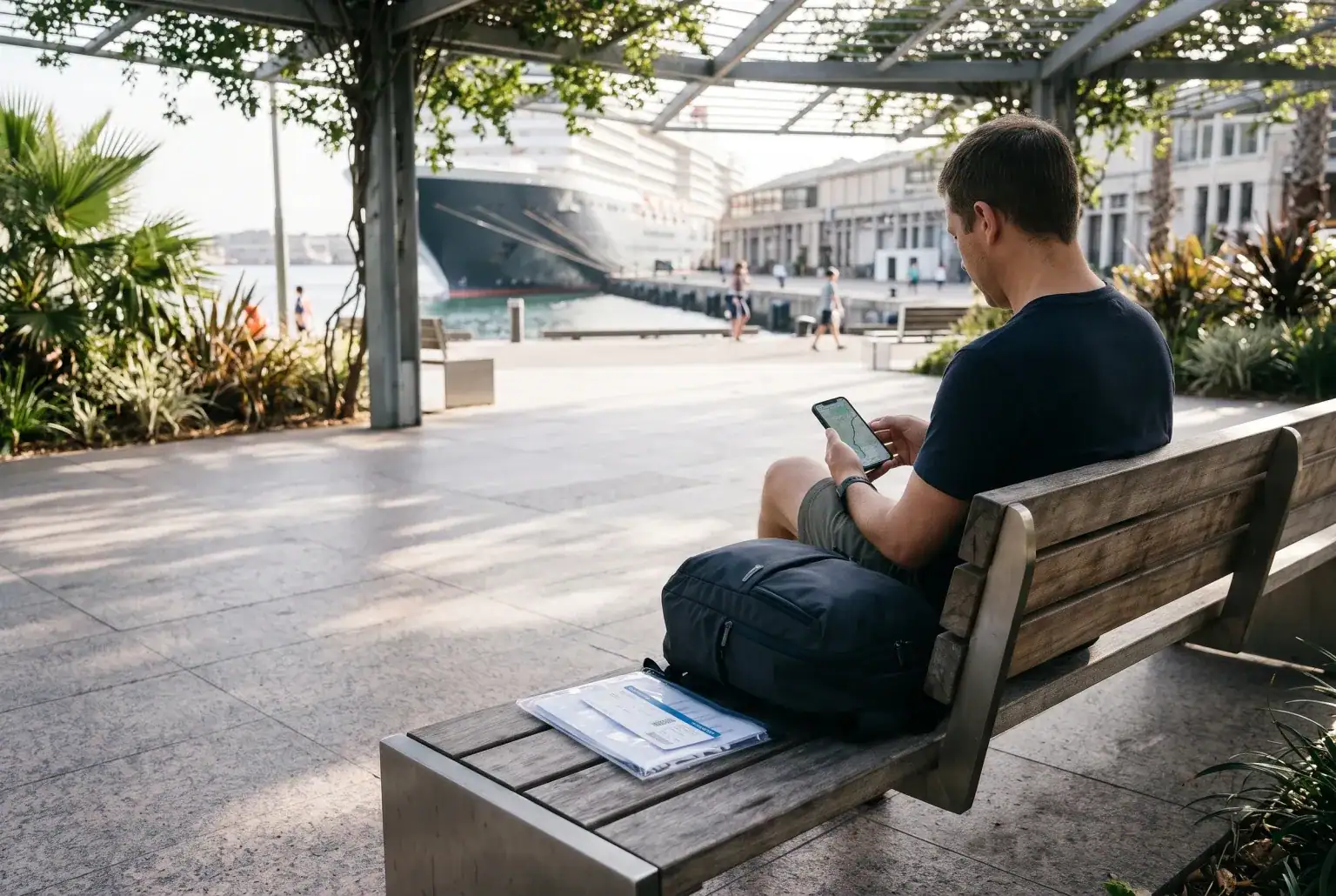
Keep your valuable items secure in a zipped daypack and carry a physical copy of your passport along with your ship boarding card at all times.
Take advantage of the free Wi-Fi at the information centre beside the wharf upon arrival to save offline map directions and save contact details for your ship’s port agent.
Money, Cards and Local Practicalities
Managing local currency during your Japanese port visit is simple if you plan ahead at the quayside.
Hiroshima Port offers currency exchange services directly for visitors, making it easy to obtain Japanese Yen immediately after disembarking.
While credit cards are widely accepted at major commercial centres like the Hiroshima Hondori Shopping Arcade, smaller market stalls and public transport options often require cash payments.
What to Pack for a Day Ashore or Cruise Transfer
Packing the right items in your daypack ensures you remain comfortable throughout your time exploring the region.
Wear supportive, flat walking shoes suitable for exploring shopping arcades and historic grounds, and carry light layers to adapt to changing coastal weather along the Seto Inland Sea.
Ensure your daypack contains local cash, mobile devices, and any necessary personal documentation, leaving space for purchases made during your excursion.
When Should You Be Back at the Ship?
Punctuality is vital when returning from an independent day ashore, as cruise ships must adhere strictly to departure slots.
Always double-check the mandatory all-aboard time printed in your daily programme or displayed at the gangway before stepping off the ship.
Remember that transfers back from central locations or JR Hiroshima Station take about 30 minutes by car, streetcar, or bus. Traffic conditions can change, so plan to arrive back at the port area well before the final cut-off time.
Who Is Hiroshima Best For?
This captivating port offers a rewarding array of experiences tailored to diverse travel interests and cruising styles.
History enthusiasts will appreciate significant landmarks like the Atomic Bomb Dome, originally built in 1915 as a commercial display hall.
Food lovers will relish sampling nationally recognised oysters, while keen shoppers can spend hours exploring the covered avenues of the Hiroshima Hondori Shopping Arcade.
Final Thoughts on Visiting Hiroshima by Cruise Ship
Visiting Hiroshima by cruise ship provides an extraordinary opportunity to experience Japanese culture, regional cuisine, and world-famous historic landmarks.
By taking advantage of port services like the foreign language tourist assistance, free Wi-Fi, and quayside currency exchange, you can navigate your day ashore with clarity and ease.
With sensible preparation and realistic allowance for transit times, your time in this remarkable port of call will be both smooth and deeply memorable.
Frequently Asked Questions
Additional Resources

The Essential Cruise & Travel Shop

Disclaimer
The Essential Cruise Shop Blog provides this guide for informational purposes and is not a travel agency. The information contained in this guide is for general guidance only. While we do our best to ensure the information is up-to-date and correct, we make no representations or warranties of any kind about its completeness or accuracy.
Cruise line policies, itineraries, and loyalty programs are subject to change without notice. We strongly recommend that you verify all details directly with your cruise line or a certified travel agent before making any bookings or financial commitments.
We cannot be held liable for any financial loss due to the reader’s failure to follow the above advice.
Affiliate Disclosure
Many of the links are affiliate links, The Essential Cruise Shop Blog may receive a commission from qualifying clicks, orders or bookings. This income helps support our efforts to provide and improve our site and turn it into a one stop resource for travellers with a bias towards cruising.