Viking River Cruises Review: Is It Right for You?
Introduction
A Viking river cruise is designed for travellers who would rather spend their day in a historic city, vineyard or riverside town than queue for a waterslide. This Viking River Cruises review looks at what that polished, adult-focused experience is really like, where the line excels and the details worth considering before you book.
Viking has built a clear proposition: culturally led river cruising with contemporary Scandinavian styling, straightforward onboard routines and a largely inclusive feel. For many UK couples and mature travellers, that makes the holiday easier to plan. It is not, however, the cheapest way to see Europe’s rivers, nor is it intended to offer non-stop entertainment.
Viking River Cruises review: the overall experience
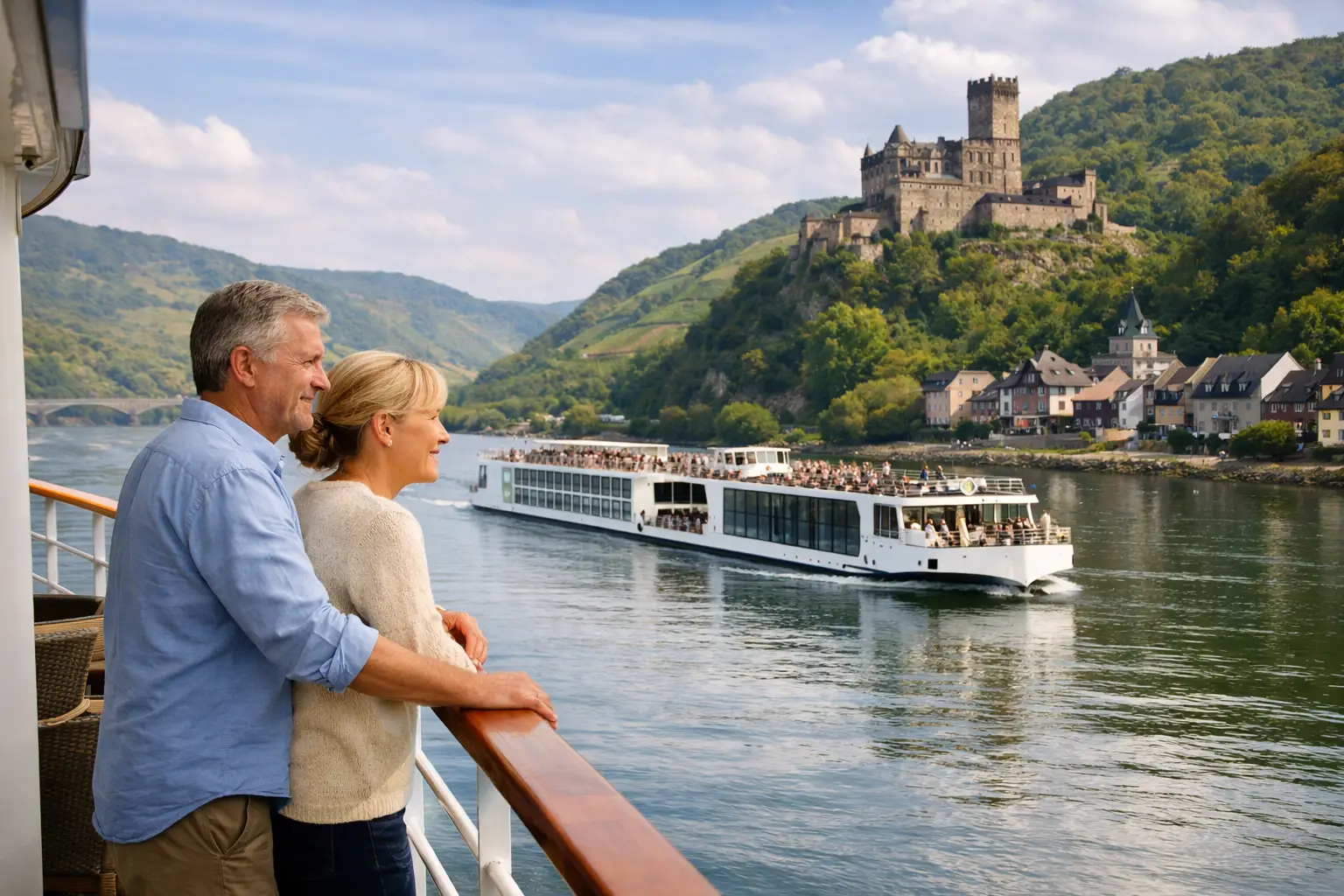
Viking’s European fleet is best known for its Longships, which carry around 190 guests. They feel purpose-built rather than lavishly theatrical: clean lines, light wood, comfortable lounges and plenty of windows that keep the river scenery in view. The atmosphere is calm, sociable and international, with English widely used onboard and a notable number of British guests on many sailings.
The line operates adult-only voyages, making it a particularly comfortable choice for couples, solo travellers and friends who prefer a quieter ship. Days tend to follow a pleasant rhythm of breakfast, a morning visit ashore, lunch while cruising, then another port call, scenic sailing or a relaxed evening onboard. There are talks, local music and occasional performances, but no casino, large theatre productions or late-night party scene.
That focus is a strength if you want the ship to feel like a well-run floating hotel. If your ideal cruise involves numerous bars, lots of choice at every meal and activities from morning to midnight, an ocean cruise or a larger river vessel may suit you better.
What is usually included?
Viking’s fares commonly include accommodation, meals, Wi-Fi, port charges and at least one guided excursion in each port. Beer, wine and soft drinks are typically offered with lunch and dinner, which helps make everyday spending more predictable. Tea, coffee and water are also readily available.
The exact package matters. Flights from the UK, transfers, pre- or post-cruise hotel stays, drinks outside meal times, premium excursions and gratuities may be included in some offers but not others. Promotions can make one departure look considerably better value than another, so compare the full booking terms rather than focusing only on the headline fare.
This is where a river cruise differs from a city break booked independently. Viking removes many routine decisions, but it does not necessarily include every extra. Build a small onboard budget for optional tours, drinks in the lounge and purchases ashore, even if you choose not to add a drinks package.
Cabins: practical comfort over excess space
Cabins are thoughtfully arranged, with good storage, hotel-style beds, a safe, television, hairdryer and private bathroom. The standard is modern and comfortable, though space is inevitably more limited than in a hotel room. Packing light and using soft-sided luggage makes embarkation day simpler, especially when transfers and station platforms are involved.
The main decision is the view. Lower-deck cabins with high-level windows can offer good value, but the view is close to the waterline and windows do not open. French balcony cabins have sliding glass doors and railing rather than a step-out balcony. Veranda cabins offer outdoor seating, while the larger suites provide more room and additional benefits.
For many guests, a French balcony is the sensible middle ground. You can enjoy fresh air and a wider outlook without paying suite-level prices. A proper veranda is appealing on scenic routes such as the Rhine or Danube, but it is worth asking how much time you realistically expect to spend in the cabin. River cruising is often port-intensive, and the public lounge or top deck may be where you enjoy the views most.
One important practical point is ship layout. Lifts do not always serve every level, and some itineraries involve steps, cobbled streets and uneven paths ashore. Travellers with limited mobility should discuss accessibility needs carefully before confirming a cabin and itinerary.
Dining and the onboard routine
Viking’s dining is one of its dependable strengths. The main restaurant offers open seating, so you are not tied to the same table or dining time each evening. Menus usually combine familiar favourites with regional dishes inspired by the itinerary. Service is attentive without feeling overly formal.
The Aquavit Terrace, available on many Longships, is a popular alternative when weather allows. It has a more relaxed feel and is especially enjoyable during scenic sailing. Breakfast and lunch provide a mixture of buffet and made-to-order options, while dinner is generally a more leisurely, plated affair.
Dietary requirements can usually be accommodated, but notify Viking at booking and speak to the restaurant team once aboard. Those with severe allergies should be especially clear about their needs, as river ships have smaller galleys than large ocean vessels and menus change frequently.
There are no formal evenings in the traditional cruise sense. Smart-casual clothing is appropriate for dinner: trousers, chinos, dresses, skirts, smart tops and comfortable shoes all work well. A jacket can be useful for a special meal or cooler evening, but it is not essential. The key is layering for variable weather and choosing footwear that can handle walking tours as well as the ship’s polished interiors.
Excursions and destination time
The included excursion in each port is central to the Viking experience. These are usually guided walking or coach tours designed to give first-time visitors a reliable introduction to a destination. Guides are often excellent, and the use of personal audio devices makes it easier to hear in busy historic centres.
The trade-off is that included tours can feel structured and may move at a pace that does not suit everyone. If you already know a city, independent exploration can be more rewarding. Viking generally provides enough free time to do this, although timings depend on local docking arrangements and the ship’s sailing schedule.
Optional excursions add choice, from food and wine experiences to more active visits and evening events. They can be worthwhile for an unusual activity, but do not assume you need one every day. A simple unhurried afternoon in Vienna, Strasbourg or Budapest can be just as memorable, and often costs little beyond a coffee and a local pastry.
River conditions also deserve a realistic mention. Water levels, locks and local regulations can affect schedules. On rare occasions, guests may travel by coach between ports or switch ships. Viking’s operations teams are experienced at handling disruption, but flexibility is part of river cruising. Avoid planning theatre tickets, private transfers or non-refundable arrangements immediately after a port day without allowing a little contingency.
Is Viking good value for UK travellers?
Viking is generally positioned at the premium end of mainstream river cruising. The fare can appear high beside a basic package from a more budget-led operator, but the comparison should include meals, excursions, Wi-Fi, onboard drinks with meals and the standard of ship and service.
It represents strongest value for travellers who appreciate included touring, calm surroundings and a well-organised itinerary. It can be less compelling for those who want a bargain, substantial nightlife, family facilities or a highly customised independent holiday. Paying extra for a balcony cabin and optional tours can move the final price up quickly.
Booking a departure at the beginning or end of the main season may offer better fares and fewer crowds, though weather is less predictable. Spring tulip itineraries and December Christmas market cruises have their own appeal, but availability and prices can be especially competitive.
Who should choose Viking?
Viking is a strong fit for first-time river cruisers who want clarity and reassurance without a rigid, formal atmosphere. Returning cruisers often value the consistency: cabins are familiar, dining is reliable and excursions remove much of the research required for multi-country travel.
It is less suitable for families with children, travellers seeking a lively resort-style ship or anyone who finds guided touring restrictive. Guests who prefer extensive independent sightseeing may also feel they are paying for inclusions they will not use.
Before booking, look closely at the daily schedule, cabin deck plan, transfer arrangements and what your chosen fare actually covers. The best Viking holiday is usually the one that matches your pace, not simply the itinerary with the most famous ports. Leave room in your plans for comfortable shoes, an unplanned café stop and the pleasure of watching a new landscape pass by from the lounge.
Frequently Asked Questions
Additional Resources

The Essential Cruise & Travel Shop

Disclaimer
The Essential Cruise Shop Blog provides this guide for informational purposes only and does not act as a travel agency or professional travel adviser. The information contained in this article is provided for general guidance only. While we endeavour to ensure information is accurate and up to date, we make no representations or warranties of any kind regarding its completeness or accuracy. Viking river cruise fares, fare inclusions, itineraries, excursion schedules, river sailing conditions, deck plans, and mobility or dietary arrangements are subject to change without notice. We strongly recommend that you verify all details directly with Viking River Cruises or a certified travel agent before making any travel decisions, bookings or financial commitments. We cannot be held liable for any financial loss resulting from a reader's failure to follow this advice.
Affiliate Disclosure
Many of the links are affiliate links, The Essential Cruise Shop Blog may receive a commission from qualifying clicks, orders or bookings. This income helps support our efforts to provide and improve our site and turn it into a one stop resource for travellers with a bias towards cruising.