Cruise Travel Insurance Essentials Explained
Introduction
Missing a sailing because your flight is delayed is frustrating. Missing it and then finding your insurance will not cover the cost is much worse. That is why cruise travel insurance essentials matter more than many travellers expect, especially when a holiday includes flights, hotels, transfers and a ship that will not wait.
Cruises bring a different set of risks from a standard package holiday. There is the ship itself, of course, but also multiple ports, tight timings, possible missed departures, overseas medical treatment, and the practical issue of being far from home if something goes wrong. For UK travellers, choosing the right policy is less about buying the cheapest cover and more about making sure it matches how a cruise actually works.
Why cruise cover is different
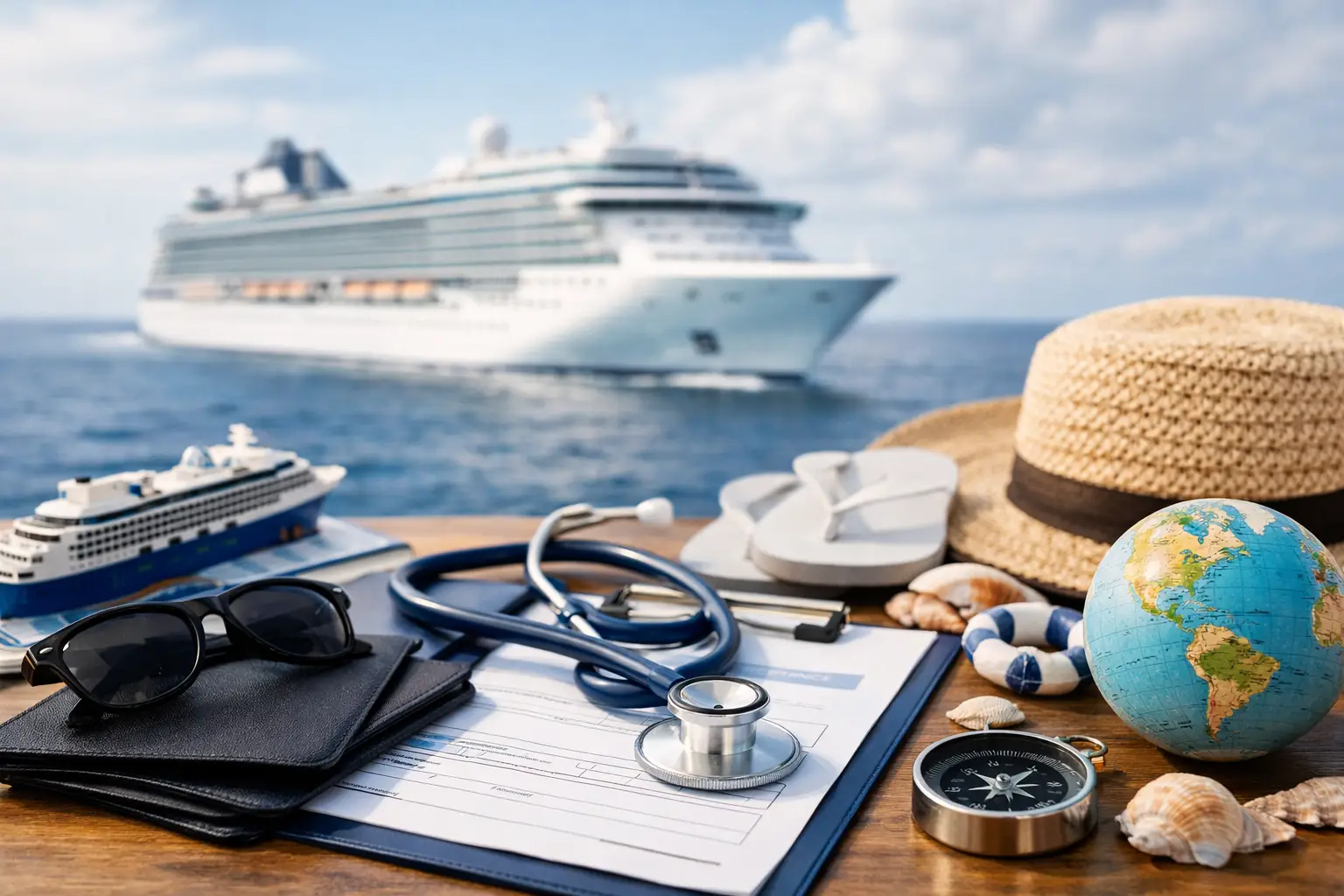
A standard travel insurance policy may look fine at first glance. It might include cancellation, baggage and emergency medical cover. The problem is that cruising often needs extra protection that ordinary policies either limit heavily or exclude altogether.
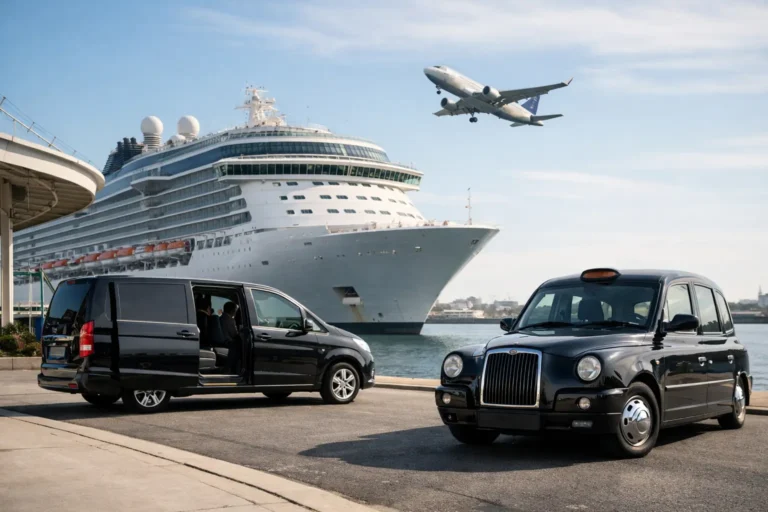
One of the biggest examples is missed port departure. If your flight is late, your luggage is delayed, or bad weather disrupts onward travel to the embarkation port, catching up with the ship can be expensive. You may need an overnight hotel, a replacement flight, or transport to the next port. Not every policy includes this as standard.
Cabin confinement is another area many first-time cruisers do not think about. If you become unwell onboard and the ship’s medical team asks you to remain in your cabin, some cruise-specific policies offer compensation for the days you effectively lose. It will not rescue the holiday, but it can soften the financial sting.
There is also itinerary change cover. Cruise schedules can shift because of weather, port restrictions or operational issues. Policies vary a great deal here. Some offer modest compensation if ports are missed. Others do not treat itinerary changes as an insured event unless you incur specific extra costs.
Cruise travel insurance essentials to check first
Before comparing excesses and price, focus on the sections that are most likely to matter on a cruise.
Medical cover and emergency assistance
Medical treatment at sea can be surprisingly expensive. Cruise ships have medical centres, but they are private facilities and charges can be high even for fairly routine treatment. If you need to be taken ashore or medically repatriated to the UK, costs can rise quickly.
Look for strong emergency medical cover, not just the minimum required by a cruise line. A policy with low medical limits may be enough for a city break in Europe, but a cruise can involve treatment in several countries, sea days between ports, and more complex transport arrangements. It is also worth checking whether the insurer offers a 24-hour emergency assistance line with practical support rather than just reimbursement afterwards.
Missed departure and travel delay
This is one of the real cruise travel insurance essentials because cruise timing is unforgiving. A delayed train to the airport is inconvenient. A delayed flight to your ship can derail the whole holiday.
Check the policy wording for missed international departure, missed port departure, and travel delay. Those terms are not always interchangeable. Some policies only cover the outbound flight from the UK. Others extend cover to the embarkation port and, more usefully, to missed cruise departure itself.
Cancellation and curtailment
Cruises are often booked well in advance and can involve substantial deposits or full balances, especially once flights and pre-cruise hotels are added. Good cancellation cover should reflect the full value of the trip, including any independently booked elements.
Curtailment matters too. If you have to cut the holiday short due to illness, bereavement or another insured reason, you want to know what proportion of your lost costs can be recovered. Read this section carefully if you are booking a longer voyage or a more expensive itinerary.
Personal belongings and medication
Baggage cover is easy to overlook because it appears on nearly every policy. The detail matters more than the headline figure. Jewellery, mobile phones, tablets and cameras often have single-item limits that are much lower than travellers expect.
Medication deserves separate attention. If you travel with prescription medicines, especially for a longer itinerary, make sure the policy does not leave you exposed if medication is lost or stolen and needs to be replaced abroad. That can be awkward and costly in port.
Common gaps that catch cruise passengers out
The small print is rarely exciting, but this is where many expensive surprises begin.
Pre-existing medical conditions
If you have a medical condition, however stable it feels, declare it. This is particularly important for the cruise market, where many travellers are older adults or managing long-term conditions. An undeclared condition can affect a claim far beyond the medical section itself, including cancellation or curtailment.
It may increase the premium, and sometimes significantly, but it is better than discovering after the event that the policy is invalid for something you thought was unrelated.
Destination limits and regional assumptions
A Mediterranean cruise may call at several countries, and a world cruise or transatlantic itinerary can involve even more complexity. Check that all destinations are included, along with any stopovers before or after the cruise.
Do not assume a Europe policy is always enough if your cruise starts in one region and ends in another, or if it includes non-European ports along the way. River cruise travellers should be careful here as well, particularly if flights, rail segments or hotel stays fall outside the main cruising area.
Activities and excursions
If you are planning zip lines, scuba diving, skiing extensions or even certain water sports, standard cover may not apply. Shore excursions can blur the line between sightseeing and activity travel, so review the policy if anything on your itinerary is more adventurous than a walking tour.
Alcohol-related claims and reasonable care
Cruise holidays are relaxed by design, but insurers still expect reasonable behaviour. Claims linked to excessive alcohol consumption, lost items left unattended, or passports misplaced through carelessness may be challenged. This is not cruise-specific, but onboard routines can make travellers less careful than usual.
How to choose the right policy for your trip
The best policy depends on how you cruise.
If you are taking a short sailing from Southampton with no flights, your priorities may be different from someone flying to Barcelona for a fly-cruise or joining a river cruise with multiple onward arrangements. Think about the full journey, not just the ship.
For a no-fly UK departure, missed departure cover still matters, but parking, rail disruption, or an overnight hotel may be more relevant than overseas flight delay. For a fly-cruise, stronger travel disruption cover becomes more important, particularly if your flights are booked separately from the cruise.
Annual multi-trip cover can work well for frequent travellers, but only if it includes cruise cover as an add-on or as standard. This catches people out regularly. Having annual insurance does not automatically mean you are insured for a cruise.
Single-trip cover may offer better clarity for a longer or more expensive voyage because it is tailored to that booking value and destination mix. Either way, compare the policy wording with your actual plans rather than buying on brand name alone.
Questions worth asking before you buy
A few practical questions can quickly show whether a policy is genuinely suitable. Does it include cruise-specific cover or is that an optional extra? Does it cover missed port departure and cabin confinement? Are medical limits high enough for treatment at sea and possible repatriation? Have you declared all medical conditions and all destinations correctly?
You should also check the excess, because a cheap premium with a high excess may offer less value than it first appears. If several sections carry separate excesses, smaller claims may not be worth making.
Cruise line requirements and peace of mind
Some cruise lines set minimum insurance expectations, particularly for international sailings. Even where cover is not strictly required, travelling without appropriate insurance is a gamble few cruisers would knowingly take once they understand the potential costs.
This is one of those planning details that does not feel exciting, but it shapes how confident you feel before departure. It also supports better decisions elsewhere. Travellers who sort out insurance early are usually better at organising documents, checking cancellation terms and allowing sensible time between flights and embarkation.
For readers of The Essential Cruise Shop, that is really the point. Good preparation does not remove every risk, but it does reduce the number of avoidable problems that can turn a holiday into an expensive lesson.
Cruise insurance is not about expecting the worst. It is about giving yourself proper backup for the parts of cruising that are wonderfully enjoyable when they go right and awkwardly expensive when they do not. Choose cover that fits the way you travel, and the rest of the planning tends to feel much easier.
Frequently Asked Questions
Disclaimer
The Essential Cruise Shop Blog provides this guide for informational purposes and is not a travel agency. The information contained in this guide is for general guidance only. While we do our best to ensure the information is up-to-date and correct, we make no representations or warranties of any kind about its completeness or accuracy.
Cruise line policies, itineraries, and loyalty programs are subject to change without notice. We strongly recommend that you verify all details directly with your cruise line or a certified travel agent before making any bookings or financial commitments.
We cannot be held liable for any financial loss due to the reader’s failure to follow the above advice.
Affiliate Disclosure
Many of the links are affiliate links, The Essential Cruise Shop Blog may receive a commission from qualifying clicks, orders or bookings. This income helps support our efforts to provide and improve our site and turn it into a one stop resource for travellers with a bias towards cruising.