Whittier Cruise Ship Terminal Guide: Essential Tips for Cruise Guests
Introduction
Navigating your arrival at the Whittier Cruise Ship Terminal can be straightforward when you understand the unique geography and transport connections of Southcentral Alaska. For UK travellers undertaking a fly-cruise holiday, arriving in this picturesque corner of the world is often the start or conclusion of a memorable voyage through pristine glacial waters.
Because the harbour sits in a secluded setting accessible via complex mountain transit links, proper pre-departure planning is essential. Having a clear idea of how transfers work, what facilities await you at the quay, and how embarkation day unfolds will help make your journey smooth and stress-free.
Quick Overview for Cruise Passengers
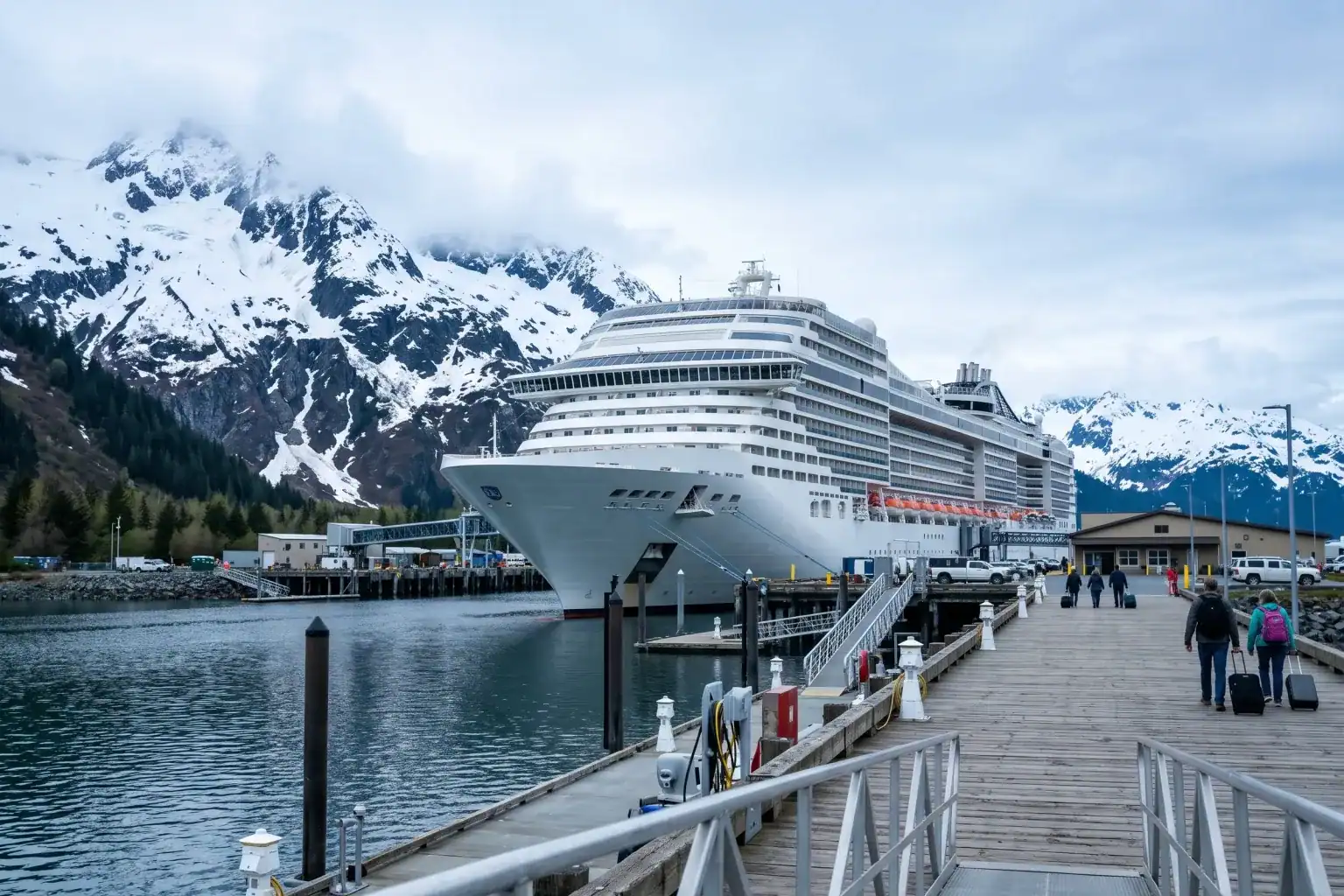
Situated at the head of Passage Canal, the harbour acts as a gateway to Prince William Sound. The harbour is tucked deep within the sound, offering a calmer and more reliable docking experience than more exposed ports of call along the coast.
The port serves as one of the primary Gulf of Alaska embarkation ports for multiple major cruise lines. Most cruise itineraries operating from this location are seven-day one-way voyages sailing between the town and Vancouver, British Columbia. Princess cruise ships operating from here include Coral Princess, Island Princess, Crown Princess, and Discovery Princess. Although Norwegian Cruise Line Holdings holds primary scheduling rights at the new pier, the facility remains open to other cruise companies.
Beyond large ocean liners, the harbour serves state ferries operating under the Alaska Marine Highway System. The fast ferry Chenega connects the town to Valdez and Cordova, crossing 110 miles of Prince William Sound in three hours, while the oceangoing ferry Kennicott links Southeast and Southcentral Alaska. During summer ferry sailings, a Chugach National Forest ranger interprets the passing scenery for passengers.
Despite hosting large vessels each summer, the local community has fewer than 500 year-round residents. The town’s economy relies primarily on shipping, port operations, fishing, and tourism.
Dock Location and Terminal Facilities
The cruise terminal is located on W. Camp Road in Whittier, Alaska. Developed facilities at the port complex include a passenger terminal, dining venues, retail shops, a cultural centre, and infrastructure structured for direct train and bus access.
If you are arriving by car, parking is available within walking distance of the quay without requiring advance reservations. Parking costs $10 per day, though special permits are required for vehicles over 14 feet high or 10 feet wide. For basic passenger amenities, the harbourmaster’s office maintains public toilets and showers.
It is helpful to note that federal security regulations prohibit disembarking passengers from re-entering the seated waiting area inside the terminal building once they have exited.
Transfers Between Anchorage Airport and the Terminal
The primary airport serving cruise travellers is Ted Stevens Anchorage International Airport located in Anchorage, Alaska. The cruise facility is located about 60 miles south of Anchorage, making it just over an hour’s drive and providing the closest deep-sea fishing destination to the city. It serves as an alternative homeport to Seward because it is less crowded and situated closer to the airport.
Driving between Anchorage and the quay follows the scenic Turnagain Arm via the Seward Highway, which is designated as a National Scenic Byway, and the Whittier Access Road. The combined railway-highway tunnel through the mountain provides the sole overland road access into the town. Known as the Anton Anderson Memorial Tunnel, this 2.6-mile pass is North America’s longest combined vehicle-railroad tunnel, cutting through the mountain on a single-lane schedule shared with trains. Driving through requires a toll charged only when travelling toward the town, costing $12 for cars and $20 for RVs or large vans.
Traffic through the single-lane tunnel operates on a set directional schedule. When travelling to or from the port by road, the tunnel opens for traffic entering the town on the half hour and for traffic leaving on the hour. The summer schedule period operates from May 1 to September 30, while the winter period runs from October 1 to April 30. Seasonal tunnel passes can be configured for either one driver operating multiple vehicles or one vehicle driven by multiple people. Passengers can obtain schedule and safety information by calling 1-877-611-2586.
Timing your road transfer requires careful attention to schedule constraints. The tunnel is closed overnight from 11:00 p.m. to 7:00 a.m., meaning despite a 12:30 a.m. ship arrival, the earliest guest transfers out do not depart until 7:00 p.m. Furthermore, the tunnel connecting to and from the airport is closed on weekends. Journey and transfer times provided are approximate guides; always allow extra time as traffic, weather, and tunnel queues can alter schedules.
Passengers can transfer via motorcoach or rail. Independent travellers can utilise the Whittier Shuttle bus, rent a car through Avis, or book coach options including ACT Big Bus, The Park Connection Motorcoach, Salmon Berry Tours, Bear Valley Road Runner, and Wild Journeys private transfers. Transfers can also be booked through cruise lines or terminal partner Pacific Alaska Tours. Airport transfer services meet passengers after luggage retrieval to transport them directly to the ship or hotel. Additionally, boat tour operators run connecting buses that can offer time and cost savings compared to taking the train. Ride-hailing services like Uber and Lyft are not available or reliable due to the remote setting. Local air alternatives include Whittier Airport, which features a single airfield runway that is not maintained during winter.

Taking the Train to or from the Ship
Rail travellers can take a direct Alaska Railroad route from Anchorage to the quay in approximately 2.5 hours. Service operates seasonally with no winter sailings or train runs. Passengers can choose between basic Adventure class seating and upscale GoldStar Class, which includes full-service dining.
There is no formal train depot building at the port. Instead, the Alaska Railroad loads and unloads passengers in a white tented area across from the cruise terminal and marina. For those heading north after disembarkation, the Glacier Discovery train departs at 6:45 p.m. and reaches Anchorage at 9:15 p.m.
Things to Do Near the Terminal
Unless you plan an activity or tour on the water, spending six hours hanging around the town on land is generally too long. However, there are several enjoyable options within easy reach of the quay for a shorter visit.
Visitors exploring on foot can take a self-guided walking tour of historical sites or visit the Prince William Sound Museum to learn about the area’s World War II history as a military transport base. Those wanting short walks can explore local trails such as Portage Pass and Horsetail Falls, which offer views of nearby waterfalls, glaciers, and Prince William Sound.
Day cruises navigate the calm waters of the sound to view glaciers, waterfalls, wildlife, and sheer cliffs. A 5.25-hour 26 Glacier Cruise excursion on a catamaran travels 140 miles into Prince William Sound. Alternatively, the Glacier Quest Cruise takes passengers into Blackstone Bay to view seven glaciers and towering waterfalls, featuring full narration by a Chugach National Forest Service Ranger. This region is also the only location in Alaska where visitors can go jet skiing among tidewater glaciers.
Guided kayak trips and rentals allow travellers to paddle among glaciers to see sea otters, sea birds, and whales. Small ship and yacht expeditions carrying around 12 passengers offer multi-day trips combining scenic sailing with kayaking and fishing. Deep-sea fishing charters operating half-day or full-day outings target king salmon, silver salmon, rockfish, and halibut. The town also hosts an all-summer halibut derby, a silver salmon derby running from July 1 through September, and an old-fashioned Fourth of July celebration beginning with fireworks at midnight on July 3.
Rail-based excursions include the Glacier Discovery Train route, which offers views of Trail Glacier, Bartlett Glacier, and Spencer Glacier. The Spencer Glacier Whistle Stop trip includes a guided hike to the glacier overlook accompanied by a Forest Service Ranger, while the Spencer Iceberg and Placer River Float excursion features guide-rowed float trips up to icebergs before floating down the Placer River.
Embarkation and Disembarkation Tips
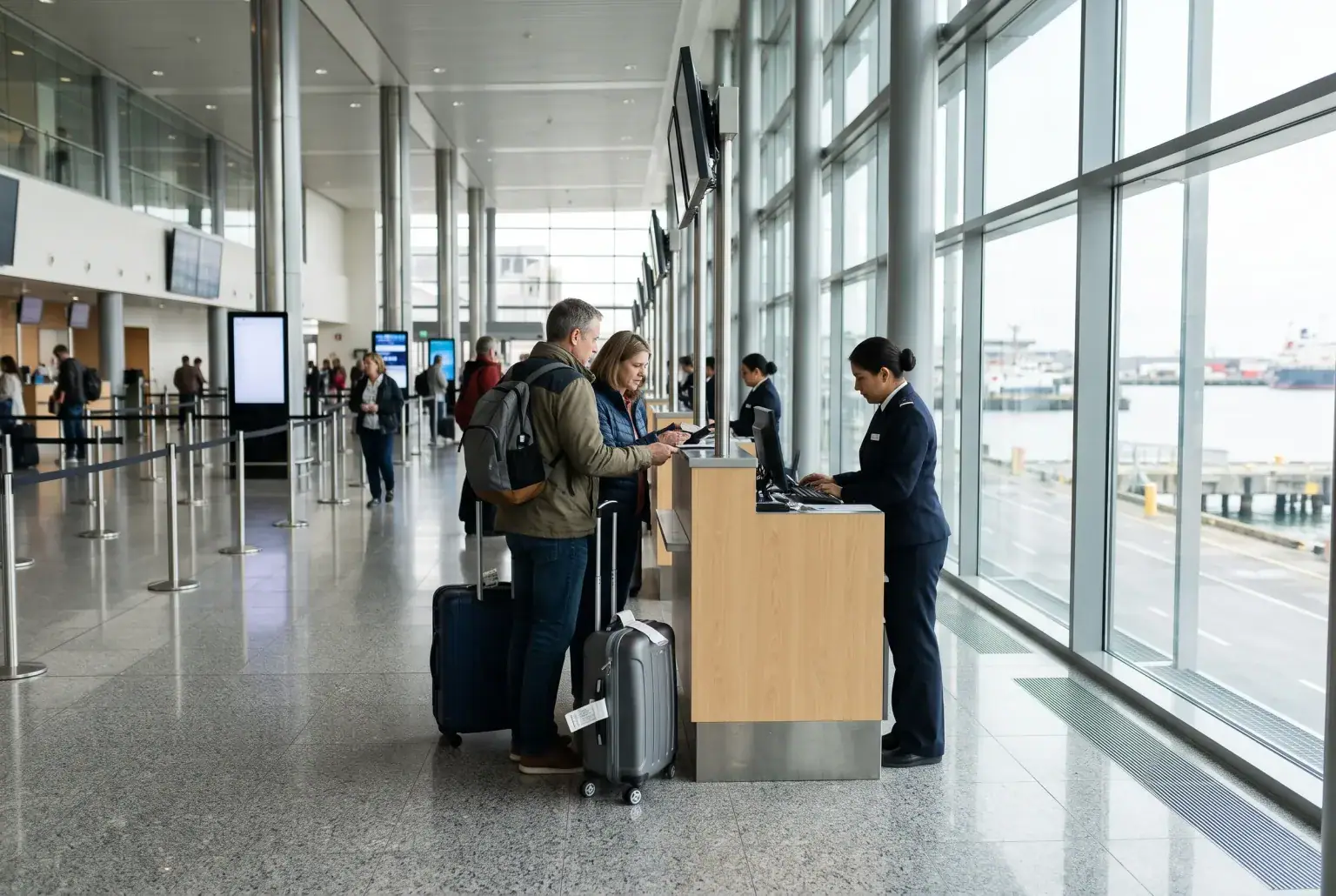
On embarkation day, the cruise terminal entrance opens at 10:45 a.m., and guests should not arrive earlier than the entry time stated on their ticket. Entry into the passenger terminal building requires a valid cruise ticket along with a government-issued photo ID or passport.
Before arriving at the terminal, cruise line luggage tags must be completed and securely affixed to all bags. Luggage storage is available at the terminal before or after your cruise if you plan to explore locally. For bundled arrangements, cruise hotel package options are available that combine overnight accommodation, transfers, luggage handling, and representative services.
Where to Stay Before or After Your Cruise
If you wish to stay near the port before or after your voyage, the area provides diverse accommodation options suited to various budgets and seasons, ranging from comfortable luxury to rustic camping. Despite the town’s small geographical footprint, options include inns, holiday rentals, cabins, and campgrounds.
Local accommodation in and near the town includes Alyeska Resort, Anchor Inn, Bird Creek Motel, Glacier View Condo Suites, Inn at Whittier, and June’s Whittier Condo Suites. Portage Valley campgrounds are located 15 minutes away, while rustic public use cabins on nearby islands provide remote lodging requiring advance reservations and water taxi transport. For those staying in Anchorage prior to embarking, city attractions include the Anchorage Museum and the Alaska Native Heritage Centre.
Visitors planning a stay locally are strongly advised to book accommodations early, particularly for travel between May and September.
Practicalities, Weather and Packing Advice
Weather conditions in Prince William Sound can be changeable and damp, so waterproof outerwear and layered clothing are essential items for your hand luggage on embarkation day.
Disembarking passengers are immediately routed to luggage pick-up and transport areas upon leaving the ship.
While local businesses widely accept standard payment methods, basic visitor information services are limited. The town lacks a formal visitor centre, but travellers can contact the Whittier Chamber of Commerce prior to departure for local business directories and helpful links.
Frequently Asked Questions
Additional Resources

The Essential Cruise & Travel Shop

Disclaimer
The Essential Cruise Shop Blog provides this guide for informational purposes only and does not act as a travel agency or professional travel adviser. The information contained in this guide is provided for general guidance only. Whilst we strive to keep the information up-to-date and correct, we make no representations or warranties of any kind about its completeness or accuracy. Cruise line itineraries, terminal security rules, rail and coach transfer schedules, ferry timetables, and tunnel opening times or tolls are subject to change without notice. We strongly recommend that you verify all details directly with your cruise line, transport provider, relevant authorities, or a certified travel agent before making any bookings, decisions, or financial commitments. We cannot be held liable for any financial loss due to a reader's failure to follow this advice.
Affiliate Disclosure
Many of the links are affiliate links, The Essential Cruise Shop Blog may receive a commission from qualifying clicks, orders or bookings. This income helps support our efforts to provide and improve our site and turn it into a one stop resource for travellers with a bias towards cruising.
